Why Does My Aluminum Door Sweat in Winter Troubleshooting Guide?

Time:2026-08-03 Author:Mason
0%

As winter arrives, many homeowners notice a common problem: condensation on aluminum doors. Understanding "Why does an aluminum door sweat in winter" is crucial for maintaining comfort and preventing damage. Dr. Emily Sanders, a leading expert in building science, explains, "The temperature difference outside and inside creates a perfect storm for condensation."

When warm, moist air meets the cold surface of an aluminum door, moisture forms. This phenomenon is not just a minor inconvenience; it can lead to issues like mold growth and frame damage. High humidity levels inside the home can exacerbate this problem, emphasizing the need for effective ventilation.

Homeowners may overlook how their heating system interacts with external conditions. Too much warmth can lead to higher humidity indoors, increasing condensation risks. Observing your door closely can provide insights into this process. By understanding the factors at play, you'll be better equipped to troubleshoot and mitigate the sweating of your aluminum door in winter.
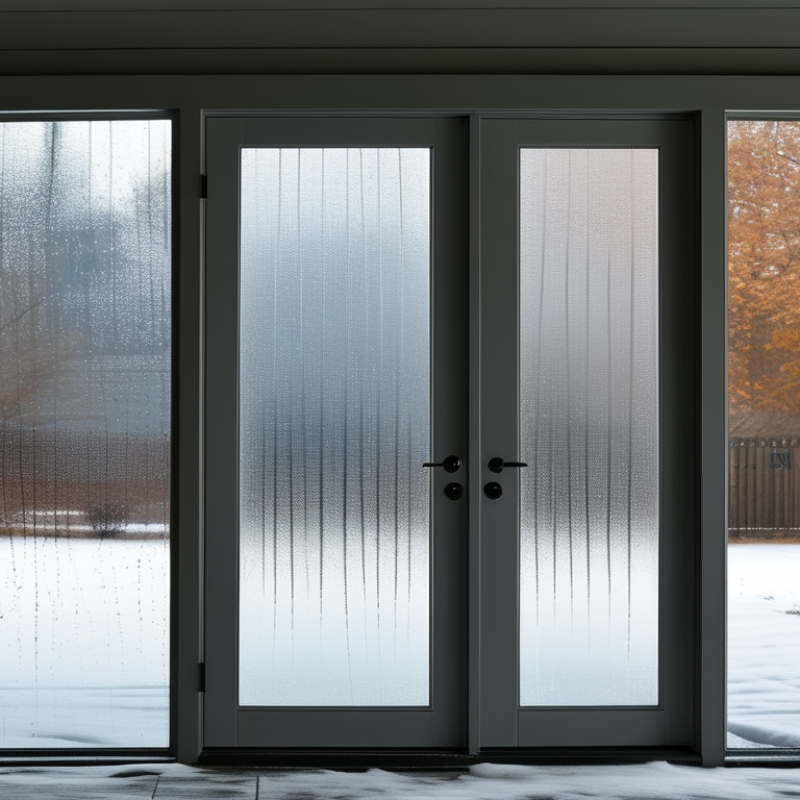
Why Does My Aluminum Door Sweat in Winter Troubleshooting Guide?

Understanding Condensation on Aluminum Doors in Winter

Understanding condensation on aluminum doors in winter involves recognizing the interplay of temperature, humidity, and material properties. Aluminum, a good conductor of heat, can cause a quick drop in surface temperature. When warm indoor air meets this cool surface, moisture condenses, leading to droplets forming on the door. According to the Department of Energy, an estimated 25% of a home’s heat can be lost through poorly insulated doors and windows. This heat loss can exacerbate condensation issues, especially in winter.

In colder months, indoor humidity levels can rise significantly, especially in kitchens and bathrooms. The National Association of Home Builders reports that ideal indoor humidity should be between 30% and 50%. Exceeding this range increases the likelihood of condensation forming on surfaces. Enhancing ventilation in properties helps mitigate moisture buildup. Opening windows during warmer days can help balance humidity levels, yet not everyone may access this option frequently, leading to persistent condensation.

Another aspect to consider is the insulation of the aluminum door. Some models come with thermal breaks designed to reduce heat transfer. However, not all doors provide this feature, which can lead to more condensation. Homeowners must reflect on their door's insulation quality when troubleshooting condensation issues. Ignoring the underlying causes of this problem may lead to mold growth and other damage over time. Being proactive can save both money and headaches in the long run.

Identifying Causes of Aluminum Door Sweating

Aluminum door sweating in winter is a common issue homeowners face. This condensation occurs when warm, humid air comes into contact with the cold surface of the aluminum door. The temperature difference causes the moisture in the air to condense, creating droplets on the door's surface. In fact, the National Fenestration Rating Council reports that metal doors can lose heat more quickly than insulated materials in colder climates.

One major cause of this problem is insufficient insulation around the door. If the door frame has gaps, cold air can seep in. Additionally, high humidity levels inside your home can exacerbate the issue. According to the Environmental Protection Agency, maintaining interior humidity levels between 30% and 50% can minimize condensation problems.

Here are some tips to reduce sweating on your aluminum door. Use weather stripping to seal any gaps around your door. This can help maintain a consistent indoor temperature. Additionally, consider using a dehumidifier during winter months to lower humidity levels. Proper ventilation in areas like kitchens and bathrooms can also alleviate moisture accumulation. Understanding these factors can help you tackle the condensation problem effectively.

Common Symptoms of Sweating Aluminum Doors

Aluminum doors can become a source of frustration during winter. One common symptom of sweating is the presence of water droplets forming on the door's surface. This can create an uninviting and sometimes dangerous environment, as the moisture can lead to slip hazards. Another sign is frost accumulation around the door's edges. This can result in door damage and affect insulation.

It’s essential to troubleshoot this issue effectively. Condensation occurs when warm, moist air comes into contact with the cold aluminum surface. Homes with poor insulation or ventilation are prone to this. To help mitigate the problem, consider investing in weather stripping or door sweeps. These additions can reduce drafts and improve insulation.

Ventilation is crucial as well. Ensure that your space has proper airflow. Using dehumidifiers in areas prone to moisture buildup can also help. Be mindful of your heating methods; radiant heaters, for example, can exacerbate condensation issues. Ultimately, addressing the underlying causes can lead to more comfort and longevity for your aluminum doors.

Effective Solutions to Prevent Aluminum Door Condensation

Aluminum doors can be prone to sweating during the winter months. This happens when warm, moist air comes in contact with the cold surface of the door. Condensation forms, creating droplets on the door's surface. This can lead to unsightly water marks and potential damage over time.

One effective solution to prevent aluminum door condensation is to enhance insulation. Adding weatherstripping or door sweeps can help minimize air leaks. Insulating the door frame can also reduce temperature differences. Make sure the door closes tightly. This can significantly decrease the chances of condensation forming.

Another strategy is to control humidity levels inside your home. Using a dehumidifier can help manage moisture in the air. Regularly ventilate rooms, especially kitchens and bathrooms. Simple measures, such as using exhaust fans, can make a difference. Consider the importance of these details. Each step taken can lead to a more comfortable living space and longevity for your doors.

Maintenance Tips for Aluminum Doors in Cold Weather

Winter can be tough on aluminum doors. They often sweat due to condensation from warm air meeting cold surfaces. To maintain aluminum doors in these colder months, start with regular inspections. Look for gaps or cracks around the frame. Even small openings can let in cold drafts and moisture. Sealing these areas will help improve energy efficiency.

Cleaning your aluminum door is essential, too. Use a mild detergent and a soft cloth to remove dirt and grime. A clean door not only looks better but also functions better. Pay attention to the weather stripping. If it’s worn out, replace it. Proper weather stripping creates a seal that prevents cold air from infiltrating your home.

Consider the humidity levels inside your home as well. High humidity can lead to condensation. Using a dehumidifier can help reduce moisture in the air. Balance is key; if your indoor air is too dry, it might cause other issues. Every home is different, so the strategies that work for one may not be perfect for another. Be prepared to adjust your approach based on your specific needs.

Humidity Levels vs. Temperature Impact on Aluminum Doors

This chart illustrates the relationship between temperature and humidity levels affecting the condensation risk on aluminum doors during winter. Higher humidity at lower temperatures increases the likelihood of sweating on aluminum doors.

FAQS

: What causes aluminum doors to sweat in winter?

: Sweating occurs when warm, humid air meets the cold surface of the aluminum door.

How can I reduce sweating on my aluminum door?

Use weather stripping to seal gaps and maintain an even indoor temperature.

Why is humidity important for preventing condensation?

Maintaining indoor humidity levels between 30% and 50% can minimize condensation issues.

What are effective insulation strategies for aluminum doors?

Enhance insulation with weather stripping, door sweeps, and ensure the door closes tightly.

How often should I inspect my aluminum doors?

Regular inspections are essential to find gaps or cracks, which reduce energy efficiency.

What cleaning methods should I use for aluminum doors?

Clean with a mild detergent and a soft cloth to remove dirt and improve functionality.

Why is weather stripping crucial?

Proper weather stripping seals doors and prevents cold air from entering your home.

How can I manage high humidity indoors?

Use a dehumidifier to help control moisture levels in the air effectively.

Are there general tips for maintaining aluminum doors in winter?

Check for small openings, clean regularly, and adjust strategies based on your home's needs.

What happens if my indoor air is too dry?

An overly dry environment can lead to other issues, so balance is key for comfort.

Conclusion

Understanding why an aluminum door sweats in winter is crucial for homeowners facing this common issue. Condensation typically occurs when warm, moist air inside the home meets the cold surface of the aluminum door. This article outlines the various causes of sweating, such as poor insulation, high indoor humidity, and extreme temperature differences.

Symptoms often include visible moisture buildup and potential water stains, which can lead to more significant problems if left unaddressed. To prevent aluminum door condensation, effective solutions include enhancing insulation, using dehumidifiers, and maintaining consistent indoor temperatures. Additionally, regular maintenance tips for aluminum doors in cold weather can further mitigate condensation issues, ensuring the longevity and functionality of the doors.

Mason

Mason

Mason is a seasoned marketing professional with a deep expertise in the company's offerings and a passion for driving brand awareness. With a strong background in digital marketing strategies, he has an innate ability to connect with diverse audiences and effectively communicate product benefits.......