As winter approaches, many homeowners notice a common issue: condensation on aluminum doors. This phenomenon raises the question, "Why does an aluminum door sweat in winter?" The answer lies in the interaction between internal warmth and cold external temperatures. When warm, humid air from inside meets the chilly surface of an aluminum door, water vapor condenses into liquid droplets.
This issue is not merely an aesthetic concern. It can lead to mold growth, damage, and even energy loss. Homeowners often find themselves frustrated by the persistent moisture. Some may even question whether their doors are faulty. This article explores effective ways to mitigate the sweating of aluminum doors. Simple solutions can create a more comfortable living space while protecting your investment.
In addressing this common issue, it is important to reflect on your home’s humidity levels. Are they too high? Adjusting indoor humidity may provide a considerable difference. With the right approach, prevention of condensation can lead to a more welcoming environment. Finding the source of the problem is crucial to finding lasting solutions.
Understanding Condensation on Aluminum Doors in Winter
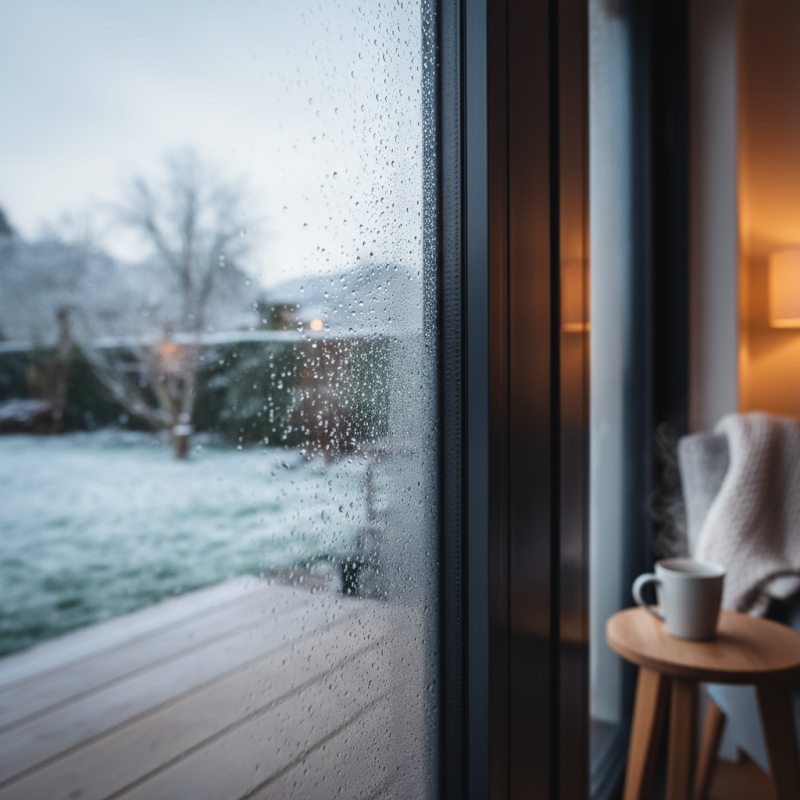
During winter, aluminum doors often develop condensation, a common annoyance for many homeowners. The cold exterior of the door meets warm indoor air, creating moisture. This phenomenon happens due to temperature differences, leading to condensation on surfaces like glass and metal. It can leave droplets on the door’s surface, making it look unattractive and potentially damaging.
To combat this issue, you can consider a few solutions. First, ensure that your home is well-insulated. Proper insulation helps maintain a consistent temperature and reduces drastic temperature differences. Additionally, using a dehumidifier can significantly lower indoor humidity levels. This can help in minimizing moisture in the air, thus preventing condensation.
However, sometimes these measures are not enough, and the problem persists. Homeowners may notice ongoing moisture despite their efforts. It’s crucial to regularly check the seals on doors and windows. If compromised, these seals allow cold air to seep in, exacerbating the issue. Reflecting on these challenges can lead to better long-term solutions and improvements in how you manage indoor climate.
Factors Contributing to Aluminum Door Sweating During Cold Months
Aluminum doors often sweat in winter due to temperature differences. When warm air inside meets the cold surface of the door, condensation forms. This process can result in puddles on your floor and damage to your interior. Understanding the factors contributing to this issue is essential for prevention.
Humidity plays a key role. High indoor humidity levels can exacerbate sweating. Proper ventilation helps reduce moisture in the air. Using dehumidifiers can also assist in maintaining balanced humidity. Of course, not everyone can afford or install these solutions. Many homeowners overlook simple fixes, like keeping vents clear.
Another factor is the thermal bridging of aluminum doors. They conduct heat poorly compared to other materials. This can create cold spots, making it easier for condensation to occur. Weather stripping may prevent cold air infiltration, yet it often requires regular maintenance. It’s easy to forget about these small details. Regular checks can make all the difference during winter months.
Techniques to Prevent Condensation on Aluminum Doors
Aluminum doors can be prone to sweating in winter due to temperature differences between inside and outside. When warm, moist air meets the cold surface of the door, condensation occurs. Understanding this phenomenon can help homeowners find effective solutions. According to industry reports, around 40% of homeowners experience condensation issues during winter months.
To prevent condensation, start with proper insulation. Ensure the door has thermal breaks that reduce heat transfer. This technique has been shown to lower condensation by up to 30%, according to studies. Sealing gaps with weatherstripping can also help maintain indoor temperatures. Simple fixes can make a significant difference.
Tip: Consider using a dehumidifier. This device can effectively reduce indoor humidity levels, further preventing condensation on aluminum doors. Regular maintenance of doors and seals can also minimize moisture buildup.
Another option is to apply a protective coating. This not only helps in reducing condensation but also improves the door's lifespan. Many reports highlight that regular cleaning and maintenance can help homeowners avoid long-term damage. Reflecting on your approach to door care can lead to better results.
Best Insulation Practices for Aluminum Doors in Winter
Aluminum doors can often sweat in winter due to condensation. This happens when warm indoor air meets the cold surface of the door. The temperature difference causes moisture to form. To prevent this, effective insulation is crucial.
One of the best insulation practices involves using weatherstripping. This material can seal gaps around the door, preventing drafts. According to the U.S. Department of Energy, well-insulated homes can save 15% on heating costs. A simple addition of a door sweep can also help. It blocks cold air from entering underneath.
Another solution is to install thermal breaks. These are materials placed between the outer and inner layers of the door. They significantly reduce heat transfer. Reports show that thermal breaks can improve energy efficiency by over 40%. However, not all doors come with this feature. It's essential to check before installation. Regularly inspecting seals and insulation is necessary, as wear and tear can reduce effectiveness.
How to Manage Indoor Humidity Levels to Reduce Sweating
Managing indoor humidity is crucial during winter. Many homeowners face condensation issues with aluminum doors. This sweating occurs when warm, moist air meets the cold surface of the door. To tackle this, controlling indoor humidity levels is essential.
Start by using dehumidifiers. These devices can effectively reduce moisture in the air. Aim for a humidity level between 30% and 50%. You might also want to regularly ventilate your home. Open windows for a short time, even in winter. Fresh air helps reduce indoor humidity.
Another way to manage humidity is through heating. Keeping consistent warmth in rooms can prevent condensation. Warm air holds more moisture, reducing the chances of it settling on cold surfaces. Consider insulating your windows and doors too. This extra layer can minimize cold spots. Reflect on your habits, like cooking and showering, as they add moisture. Small adjustments can make a big difference in keeping your home comfortable.
Indoor Humidity Levels vs. Aluminum Door Sweating
This chart demonstrates the correlation between indoor humidity levels and the sweating of aluminum doors during winter. As humidity levels increase, the sweating phenomenon intensifies, reaching its peak at 80% humidity.
FAQS
: Condensation occurs when cold surfaces meet warm, moist air, creating moisture.
Proper insulation can help maintain even temperatures and reduce condensation.
High indoor humidity increases moisture in the air, leading to more condensation.
Yes, a dehumidifier can lower indoor humidity, preventing condensation on doors.
Regularly inspect the seals for gaps or damage that could let in cold air.
Aim for consistent warmth in your home to reduce temperature differences.
Yes, a protective coating can reduce condensation and extend the door's lifespan.
Short, regular ventilation can bring in fresh air, lowering indoor moisture levels.
Consider activities like cooking and showering, as they add moisture to the air.
Any significant difference between indoor and outdoor temperatures can lead to condensation.
Conclusion
Aluminum doors often experience condensation during winter, leading many to wonder, "Why does an aluminum door sweat in winter?" This phenomenon occurs due to the temperature difference between the warm indoor air and the cold metal surface of the door, causing moisture to condense. Contributing factors include high indoor humidity levels and insufficient insulation.
To mitigate this issue, homeowners can adopt several techniques. Improving the insulation of aluminum doors is crucial; using weatherstripping and thermal breaks can significantly reduce heat transfer. Additionally, managing indoor humidity through proper ventilation and dehumidifiers can help maintain a comfortable environment that minimizes the chances of condensation. By understanding these factors and implementing effective strategies, one can effectively prevent the sweating of aluminum doors during the cold months.
 Armor Door
