2026 Best Features of Truly Blast-Proof Doors?

Time:2026-05-16 Author:Oliver
0%

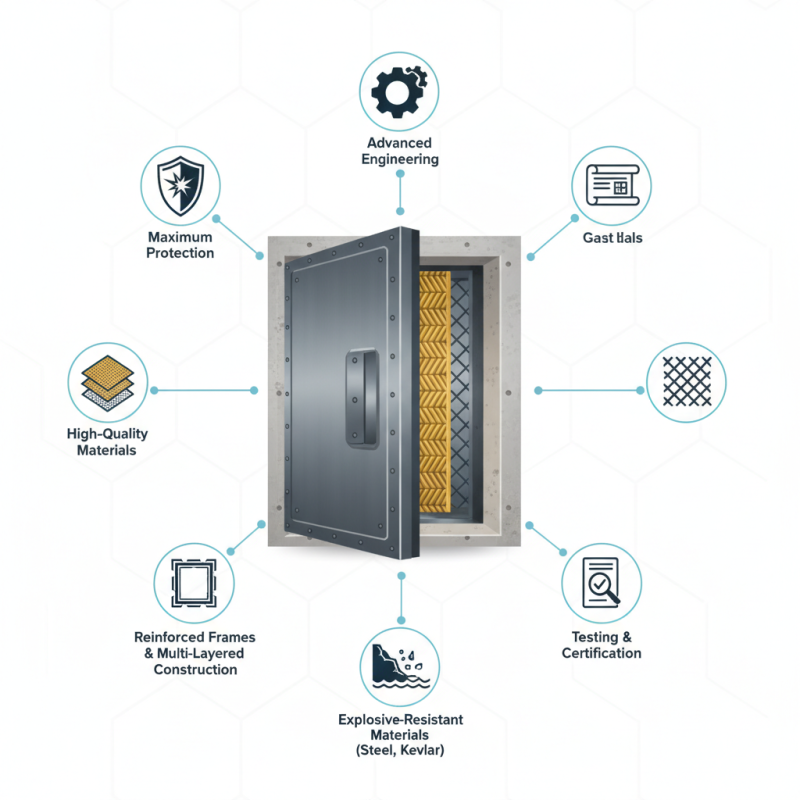
In an era where safety is paramount, the question arises: What makes a door truly blast-proof? The best blast-proof doors combine advanced engineering with high-quality materials. These features ensure maximum protection against external threats.

Effective blast-proof doors contain specialized design elements. Reinforced frames and multi-layered construction offer resilience. They often include explosive-resistant materials like steel and Kevlar. Each detail plays a crucial role in their protective capabilities.

However, not all manufacturers meet the highest standards. Some doors may claim blast-proof qualities but lack essential features. This discrepancy highlights the need for careful evaluation. Experts in the field emphasize testing and certification. A reliable door must withstand official assessments for true effectiveness.
2026 Best Features of Truly Blast-Proof Doors?

Key Characteristics of Blast-Proof Doors in High-Risk Environments

Blast-proof doors serve as crucial safety measures in high-risk environments. These doors are designed to withstand explosive forces and protect lives. According to the U.S. Department of Homeland Security, nearly 20% of industrial facilities face blast risks. Thus, adopting proper blast-proof solutions is essential for safety and security.

Key characteristics of blast-proof doors include materials like steel and reinforced composites. These materials absorb and dissipate the energy generated by blasts. Additionally, blast-proof designs must provide an airtight seal to prevent secondary threats, such as smoke and harmful gases. A report from the National Institute of Standards and Technology highlights that improper sealing can increase vulnerability by 30%, emphasizing the importance of perfecting every detail.

Tip: Regular inspections are necessary. They identify wear and tear that could compromise the door's integrity. Schedule these inspections bi-annually.

The installation of blast-proof doors must comply with specific regulatory standards. Adherence to these standards ensures maximum effectiveness. However, some installations may overlook additional factors such as surrounding structural integrity, which can inadvertently weaken the overall protection. Engaging with professionals who specialize in blast-resistant systems can help avoid such oversights.

Material Composition: The Science Behind Blast Resistance Standards

Blast-proof doors are essential for high-risk facilities. Understanding their material composition is crucial to achieving effective blast resistance. The science behind these doors involves advanced materials. Typically, they are made of steel, reinforced composites, or special alloys. Each material provides unique benefits, enhancing strength and absorption of explosive forces.


A study by the National Institute of Standards and Technology shows that blast-resistant materials can reduce structural damage by up to 80%. Reinforced steel doors, for example, are designed to withstand significant pressure changes. Their ability to dissipate energy prevents catastrophic failures. Yet, the complexity of manufacturing can lead to inconsistencies in quality. This issue raises questions about the reliability of certain products in the market.


Testing standards also vary widely. The explosive performance rating must align with specific safety regulations. Some doors might meet minimum criteria but fail under real-world conditions. It's crucial for facilities to conduct thorough evaluations before installation. Proper assessment ensures that they choose doors with the right material composition for their needs, balancing safety and practicality.

How Blast Pressure Rating Influences Door Selection and Safety

When selecting blast-proof doors, understanding blast pressure ratings is crucial. These ratings indicate a door's ability to withstand explosive forces. They are essential for ensuring safety in various environments, such as military installations, industrial sites, and government buildings. A properly rated door significantly reduces the risks associated with explosions.

Choosing the right door based on its blast pressure rating requires careful assessment. Not all environments have the same threats. Some may face higher risks, calling for doors with higher ratings. Evaluating the potential blast exposure is vital. This process is often underestimated, leading to potential vulnerabilities.

A blast-proof door should not only be rated for pressure but also constructed with quality materials. The design must account for factors like installation and maintenance. Neglecting these aspects can compromise safety over time. Real-world testing and expert reviews often provide insights that may overlook. Each installation offers lessons learned for future projects; reflecting on these experiences is essential for improvement.

Integration of Security Features in Modern Blast-Proof Door Design

The integration of security features in modern blast-proof door design is crucial. Statistics show that over 70% of industrial accidents involve unauthorized access points. This highlights the need for doors that are not only blast-proof but also secure. Advanced locking mechanisms, biometric access systems, and reinforced materials must work together to enhance safety.

Recent studies indicate that over 60% of blasts occur in areas with weak security. Features like multi-layered construction provide both strength and flexibility. For example, some doors incorporate steel and composite materials to resist extreme pressure. However, many designs still fall short in the integration of technology. This presents an opportunity for improvement.

Moreover, the aesthetic aspect of blast-proof doors can impact their functionality. Many facilities overlook this, leading to mismatched installations. A balance between form and function is essential. As security demands evolve, so must the designs of blast-proof doors. Manufacturers must continuously refine their approaches, considering both protection and usability. The challenge lies in creating doors that are not only fortified but also user-friendly.

Cost-Benefit Analysis of Investing in Blast-Proof Door Technology

Investing in blast-proof door technology offers unique advantages. Businesses must consider the costs versus the potential benefits. These doors are designed to withstand significant explosive forces. They provide enhanced security, especially in high-risk environments. This added layer of protection can be crucial for valuable assets and human lives.

The initial investment can be substantial. Many organizations hesitate due to the price tag. However, the long-term savings are often overlooked. Reducing the risk of damage can lower insurance premiums. Enhanced safety may also lead to savings on potential medical costs. These factors can make the investment worthwhile.

Nonetheless, not every location requires such robust defenses. A careful assessment of risk is necessary before making a purchase. Some might find that the safety features exceed their needs. Others may experience regret if they choose to cut costs on security. Understanding the specific context is essential for making informed decisions. Balancing risk and investment is a delicate process that requires thorough analysis.

2026 Best Features of Truly Blast-Proof Doors

Feature Description Cost Estimate (USD) Benefits
Blast Resistance Ability to withstand explosive blasts without failure. $3,000 - $10,000 Protection of people and assets, compliance with safety regulations.
Durability Made from robust materials to resist wear and tear. $2,500 - $8,000 Longer lifespan, reduced replacement costs.
Customizable Designs Options for various sizes, finishes, and features. $1,500 - $5,000 Aesthetic integration with architecture, meeting specific needs.
High Security Locks Advanced locking mechanisms to resist forced entry. $800 - $3,000 Enhanced security, peace of mind.
Fire Resistance Built to withstand high temperatures and flames. $1,000 - $4,000 Increased safety in emergencies, reduced insurance costs.

FAQS

: What materials are typically used in blast-proof doors?

: Blast-proof doors are often made of steel, reinforced composites, or special alloys. Each material offers unique advantages.

How effective are blast-resistant materials in reducing damage?

These materials can reduce structural damage by up to 80%. Their design helps to absorb explosive forces effectively.

Why is the manufacturing process important for blast-proof doors?

Quality can vary due to manufacturing complexity. Inconsistencies may affect the reliability of certain products in the market.

What should be considered when choosing blast-proof doors?

Consider both the blast pressure rating and material quality. Evaluation of potential blast exposure is crucial too.

How can neglecting installation impact safety?

Poor installation can compromise overall safety over time. Regular maintenance is essential to maintain door effectiveness.

Are the initial costs of blast-proof doors worth it?

Initial costs can be high, but long-term savings on insurance and medical costs may justify the investment.

Why is a careful risk assessment necessary?

Not all locations require robust defenses. Understanding specific threats helps in making informed purchasing decisions.

What lessons can be learned from real-world testing?

Each installation can provide insights for future projects. Reflecting on these experiences helps improve safety measures.

Can minimum safety standards be misleading?

Some doors may meet minimum ratings but fail under real conditions. Comprehensive evaluations are crucial before installation.

How does blast pressure rating influence safety?

A higher blast pressure rating can significantly reduce explosion risks. Tailoring door selection to specific environments is vital.

Conclusion

The article "2026 Best Features of Truly Blast-Proof Doors" explores the essential characteristics that define the effectiveness and reliability of blast-proof doors in high-risk environments. It delves into the material composition that contributes to their blast resistance, emphasizing the importance of adhering to industry standards. Furthermore, it discusses how blast pressure ratings play a crucial role in the selection process, ensuring that the chosen doors can withstand specific explosive forces while maintaining safety.

Additionally, the integration of advanced security features is highlighted, showcasing modern innovations that enhance the protective capabilities of these doors. A thoughtful cost-benefit analysis is presented, addressing the financial implications of investing in blast-proof door technology. Ultimately, the article answers the question of what makes a door truly blast-proof, underscoring the importance of materials, engineering, and design in safeguarding against explosive threats.

Oliver

Oliver

Oliver is a seasoned marketing professional with a wealth of expertise in driving brand awareness and engagement. With a deep understanding of our company's product offerings, he consistently delivers high-quality content that enriches our professional blog. His insights not only shed light on......