Armor Door
Choosing the right front door is essential for any home. A beautiful entrance can enhance curb appeal. However, it should also be practical and low maintenance. Homeowners often wonder, "What is the best material for a low-maintenance front door?" The answer depends on your needs and preferences.
Various materials are available, each with its advantages and drawbacks. Steel doors, for instance, provide excellent durability and security. They require minimal upkeep compared to wood. Fiberglass is another popular option. It mimics the look of wood but doesn't warp or crack. Vinyl doors can also be appealing. They resist fading and can withstand harsh weather conditions.
Ultimately, the best choice will depend on your home's style and climate. The door must align with your vision while being easy to maintain. There is no perfect material, and some may require periodic inspection or minor repairs. Reflect on your lifestyle before making a choice. The right material can lead to long-term satisfaction.
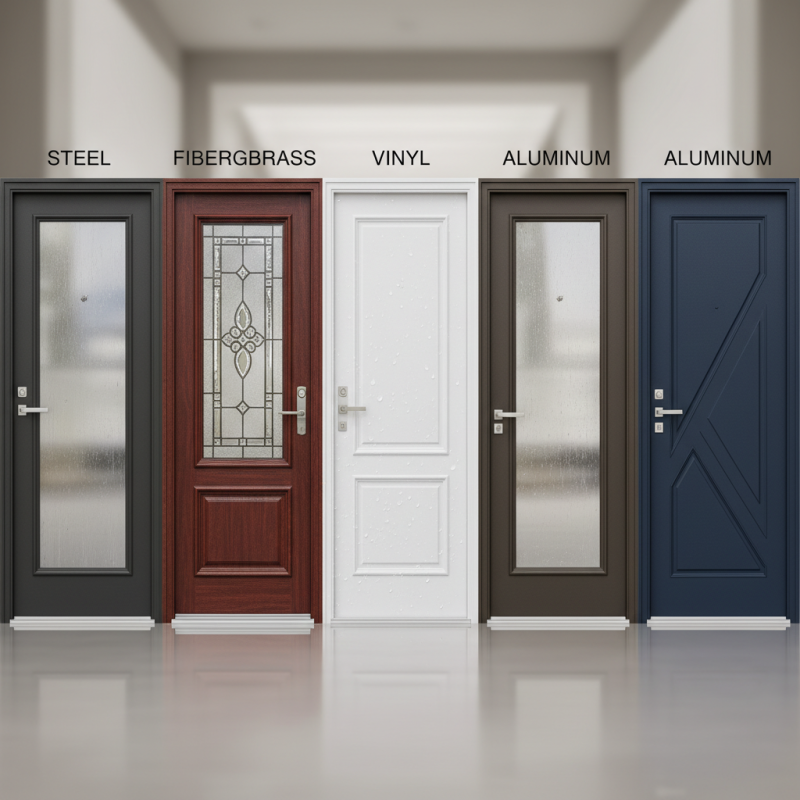
Choosing low-maintenance materials for front doors offers several significant benefits. The right materials can save time and reduce costs associated with upkeep. According to a report from the National Association of Home Builders (NAHB), 65% of homeowners prefer materials that require minimal care. This need reflects a growing trend toward practicality.
Low-maintenance doors, often made from fiberglass or steel, resist weathering. They do not warp or rot like wood. This durability leads to fewer repairs over the years. A study by the Department of Energy shows that homes with energy-efficient doors can save up to 15% on energy bills. Such savings come from better insulation and reduced energy loss.
While selecting these materials, consider local climate conditions. Some low-maintenance options may perform better in specific areas. For example, coastal homes should choose salt-resistant materials. This choice can extend the lifespan of a front door. Yet, homeowners sometimes overlook these details, leading to premature wear. Evaluating all options helps ensure long-term satisfaction with your investment.
When choosing a front door, low maintenance materials are essential for lasting beauty and function. Fiberglass is a popular choice. It resists dents and scratches, and it won’t warp or crack. This material often mimics wood's appearance, providing aesthetic appeal. However, the initial cost can be higher than other options.
Steel doors offer durability and security. They resist the elements well and require minimal upkeep. A good paint job can extend their life and improve their look. Yet, they can show dents over time and may need occasional touch-ups.
Vinyl doors are another low-maintenance option. They are energy-efficient and available in various colors. Their surface is easy to clean and maintain. Nevertheless, some people find them less visually appealing compared to wood or fiberglass. Composite doors combine materials to enhance durability and appearance. They won’t split or crack. However, the complexity of their structure can make repairs challenging. Each material has strengths and weaknesses, and it’s crucial to consider your specific needs.
When considering front door materials, durability is key. Fiberglass, steel, and wood each have unique characteristics. Fiberglass doors are resistant to dents and scratches. They offer a seamless look and can mimic wood's appearance. However, they can be prone to fading over time due to prolonged sun exposure.
Steel doors provide excellent security and energy efficiency. They withstand impacts well but can rust if scratched. Regular maintenance is vital to keep steel doors looking good. Wood doors are classic and beautiful, but they require more upkeep. They can warp or crack with temperature changes. Consider the climate in your area before choosing.
Tips: For a low-maintenance option, fiberglass is often a strong choice. Inspect steel doors frequently for signs of rust. If you go with wood, choose a high-quality finish to protect against moisture. A little effort in maintenance can prolong the life of your door. Keep in mind your personal style and how much time you can dedicate to upkeep. Ultimately, the right choice should balance aesthetics and sustainability.
| Material | Durability | Maintenance Level | Insulation | Cost Range ($) |
|---|---|---|---|---|
| Fiberglass | High | Low | Excellent | 1,200 - 3,000 |
| Steel | Very High | Low | Good | 800 - 2,500 |
| Wood | Moderate | High | Fair | 400 - 2,000 |
| Vinyl | High | Very Low | Excellent | 600 - 1,800 |
| Composite | High | Low | Very Good | 1,000 - 2,800 |
Choosing the right front door material can significantly impact long-term costs. Many homeowners overlook maintenance needs when selecting doors. Traditionally, wood doors require regular painting and sealing. They may look beautiful, but the upkeep can become expensive over time.
In contrast, fiberglass and steel doors offer durability without frequent maintenance. These materials resist warping and weather damage. While the initial cost can be higher, the longevity often brings savings. Consider this: a steel door can last up to 30 years, while a wooden door may only last 10 to 15. This difference means fewer replacements and less hassle.
However, the initial investment may be daunting for some. It is essential to evaluate personal budgets and priorities. Opting for a low-maintenance door means fewer worries in the future, but weighing costs upfront is crucial. Will the long-term benefits justify the costs? Many find that investing in high-quality materials pays off.
When choosing low maintenance front doors, the environmental impact is a key consideration.
Different materials contribute differently to our planet's health. Sustainable options can lessen waste and energy use.
Wood, for instance, offers a natural appeal. However, sourcing can lead to deforestation if not managed carefully.
Fiberglass is another environmentally friendly choice. It requires less energy to produce and can mimic the look of wood.
Yet, the longevity of fiberglass's appearance often raises questions. Vinyl, while low maintenance, poses recycling challenges due to its plastic content.
Thoughtful choices here promote better environmental practices. Even metal doors can be recycled, but their production emits high levels of greenhouse gases.
Ultimately, balancing aesthetics and sustainability is crucial. Each material has strengths and weaknesses.
Reflecting on these factors can lead to better decision-making. Selecting a door is not just about the home, but also about our role in protecting the environment.
: Fiberglass doors resist dents, scratches, and warping. They mimic wood's appearance and offer aesthetic appeal.
Steel doors provide excellent durability and security. They require minimal upkeep but can show dents over time.
Vinyl doors are easy to clean and maintain. However, they may not be as visually appealing as other materials.
Composite doors combine materials for enhanced durability. They won't split or crack, but repairs can be complex.
Long-lasting materials reduce frequent replacements. Steel doors can last up to 30 years, unlike wood which lasts 10-15.
Wood can lead to deforestation, while vinyl poses recycling challenges. Fiberglass is energy-efficient but may not be perfect.
Yes, the upfront cost can be daunting. However, considering potential long-term savings is important.
Individuals often struggle with balancing beauty and maintenance. Each material has its strengths and weaknesses.
Yes, metal doors can be recycled. However, their production is associated with high greenhouse gas emissions.
Personal budget, aesthetics, durability, and environmental impact should all be weighed when selecting a door.
When considering a front door, many homeowners seek options that promise durability and minimal upkeep. The article explores the benefits of selecting low maintenance materials, highlighting their resilience against weather and wear. A detailed overview of common materials such as fiberglass, steel, and wood is provided, comparing their durability and maintenance requirements.
Additionally, a cost analysis reveals that investing in low maintenance door materials can lead to significant long-term savings, both financially and environmentally. Ultimately, the question remains: what is the best material for a low-maintenance front door? This comprehensive examination equips homeowners with the knowledge needed to make an informed decision that balances aesthetics, functionality, and sustainability.
