How do biometric security doors function during power outages?

Time:2026-06-01 Author:Sienna
0%

In the modern world, security is paramount. Biometric security doors are a popular choice for many properties. But, challenges arise during power outages. Understanding how do biometric security doors work during a power outage is crucial for effective security management.

John Miller, an expert in security technologies, once stated, “Power outages reveal the vulnerabilities in biometric systems.” He emphasizes that these systems often rely on electricity. During an outage, many biometric doors may not function as intended. Some models have backup power sources, but not all do. This can lead to unauthorized access or lockouts.

The need for a reliable backup plan is evident. Facilities should consider alternative power options. Solar panels or battery backups can ensure functionality during outages. However, ensuring that these alternatives are in place remains a challenge. Reflecting on this, property owners must evaluate their current biometric systems. Are they truly secure in all conditions?
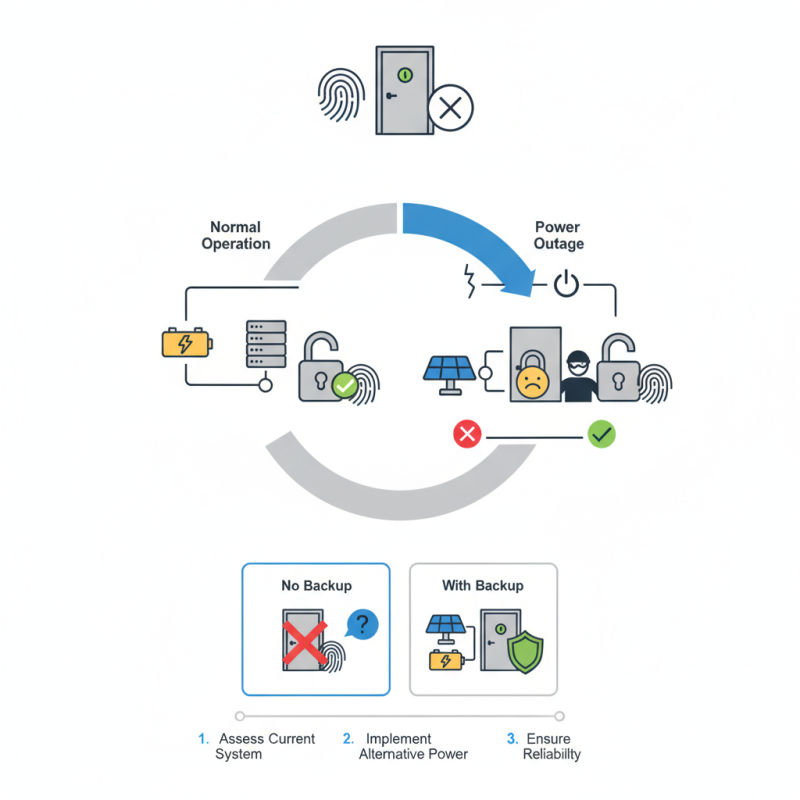
How do biometric security doors function during power outages?

Overview of Biometric Security Doors Functionality

Biometric security doors use advanced technology to ensure access control. These systems rely on identifying unique physical characteristics, like fingerprints or iris patterns. Data from industry reports suggest that biometric systems can enhance security by up to 30% compared to traditional key locks. However, their dependence on electronic components poses challenges during power outages.

During a power failure, most biometric doors may not function properly. Many require a power source to operate their scanning devices. Yet, some models have backup power options, such as batteries, ensuring minimal disruption. A survey indicated that nearly 50% of businesses express concern over this vulnerability. Organizations must assess how they plan for these scenarios to enhance reliability.

It is crucial to consider alternative entry methods. For instance, some systems allow a manual override or a mechanical key as a fallback. However, relying too heavily on these methods can be risky. They may diminish the benefits of biometric security. As the technology evolves, improving resilience against power outages remains an area needing attention. Regular assessment of these systems ensures they meet necessary reliability standards.

Impact of Power Outages on Biometric Systems

Power outages can significantly impact the functionality of biometric security systems. These systems rely on electronic components to read fingerprints, facial features, or iris patterns. When power is lost, these devices might not operate as intended. Many biometric doors have backup battery options, but these batteries vary in capacity and duration.

In a complete power failure, traditional access may be hindered. Users may find themselves locked out or unable to gain entry. This situation calls for emergency protocols. It's crucial to have key overrides or alternative access methods in place, allowing passage when biometric systems fail. A failure to plan for power outages can leave users vulnerable or stranded.

While some systems offer a seamless transition to battery power, others may not. This inconsistency raises questions about reliability during critical situations. Regular maintenance and testing of backup systems are essential. Awareness of these vulnerabilities can inspire proactive solutions. Educating users on these limitations ensures better preparedness. It fosters a better understanding of the technology they rely on.

Backup Power Solutions for Biometric Security Doors

Biometric security doors rely on advanced technology for access control. During power outages, these systems can face significant challenges. Backup power solutions are essential to ensure that these doors remain functional even when the main power supply is interrupted.

One common solution is the use of uninterruptible power supplies (UPS). A UPS provides temporary power during outages. It can keep biometric locks operational, ensuring quick access. However, the capacity and duration of these backup systems can vary. Users must consider how long the UPS can support the door in a power failure.

Another option is battery-powered biometric devices. These systems are designed to operate independently. They can function even during extended outages. Regular maintenance is crucial for these batteries. It’s important to check their charge levels and replace them when necessary. Neglecting this can lead to accessibility issues when they are most needed.

Biometric Security Doors Power Backup Solutions

Manual Bypass Options During Emergencies

Biometric security doors offer advanced access control using unique traits like fingerprints or facial recognition. However, during power outages, these systems can be compromised. This raises the question of how to gain access in emergencies. Manual bypass options become essential in such situations.

Many biometric systems include a manual override feature. This function allows users to open the door without relying on electricity. Often, it involves physical keys or a simple numerical keypad. While this is a practical solution, it may not be foolproof. Users must be trained to access these options quickly to avoid delays. Frequent drills can enhance readiness.

However, users should understand the limitations. Not all biometric systems have an appropriate bypass method. In some cases, the lack of awareness can lead to confusion when time is critical. Regular maintenance checks can ensure that manual options are functional. Failing to do so can result in serious issues during emergencies. It's important to evaluate how well these systems serve their purpose in power outages.

How do biometric security doors function during power outages? - Manual Bypass Options During Emergencies

Feature Functionality Manual Bypass Options Advantages Disadvantages
Biometric Scanner Identifies users via fingerprints or face recognition. Keypad entry code enabled during manual override. High security and user convenience. Depends on power to function optimally.
Emergency Backup Battery Provides limited power in case of outage. Manual key access is still possible. Ensures functionality during outages. Limited operational time without recharge.
Mechanical Lock Traditional locking mechanism, unaffected by power. Physical key for manual unlocking. Reliable in all conditions. Less modern security features.
Fail-Safe Mechanism Automatically unlocks when power fails. None; unlocks automatically. Ensures safety during emergencies. Could lead to unauthorized access.

Best Practices for Maintaining Security During Power Cuts

Biometric security doors rely heavily on electrical power to function. During power outages, these systems might fail, potentially compromising security. However, effective measures can help maintain security even when the power goes out.

One approach is to integrate backup power solutions. According to industry reports, 85% of businesses using backup systems managed to maintain security during outages. Uninterruptible power supplies (UPS) are crucial in providing temporary power to biometric locks, ensuring they remain functional. Regular maintenance and testing of backup systems are vital.

Tips: Ensure your UPS is tested quarterly. This habit can reveal any issues before they become critical.

Another effective practice is to incorporate physical security measures. Security personnel can be stationed at entry points when electronic systems fail. Moreover, use traditional locks as a fallback during such incidents. This dual-layer approach can deter unauthorized access.

Tips: Keep traditional keys accessible but secure. This precaution balances convenience and safety.

Maintaining security requires awareness and adaptability. Continuous assessment of your security strategy can reveal areas needing improvement.

FAQS

: What happens to biometric systems during power outages?

: Biometric systems may fail to operate properly without power. Users could get locked out.

Are there backup power options for biometric systems?

Many systems have backup batteries. However, battery capacity and duration vary significantly.

How can users gain access during a power failure?

Manual bypass options are important. These include physical keys or numeric keypads.

Are manual bypass methods always reliable?

Not all systems have effective manual overrides. Users need to be trained for quick access.

How can users prepare for potential power outages?

Frequent drills can enhance user readiness. Understanding system limitations is key to preparedness.

What should users check to ensure access during emergencies?

Regular maintenance checks are vital. This ensures that manual bypass methods are functional.

Why is user education important regarding biometric systems?

Educating users about vulnerabilities fosters better understanding and preparedness.

What can happen if users fail to plan for power outages?

Users could become stranded. Lack of preparedness can lead to serious safety issues.

Are all biometric systems created equal in emergencies?

No, reliability can vary greatly. Understanding individual system capabilities is crucial.

How can confusion during emergencies be avoided?

Increased awareness and training can prevent panic. Knowing the manual options is essential.

Conclusion

Biometric security doors are designed to enhance access control by utilizing unique physical traits for identification. However, when considering the question "How do biometric security doors work during a power outage," it is crucial to understand the limitations and challenges these systems face. Power outages can hinder the normal functioning of biometric scanners, leading to potential security vulnerabilities.

To mitigate these risks, many biometric systems incorporate backup power solutions such as battery backups or UPS systems. Additionally, having manual bypass options in place can assist in emergencies, ensuring that access can still be granted if needed. Maintaining security during power cuts involves implementing best practices, including regular system checks and ensuring that backup solutions are tested and functional. By planning for power outages, users can better protect their premises while relying on biometric security technologies.

Sienna

Sienna

Sienna is a skilled marketing professional with a deep expertise in our company’s core products and services. With a passion for innovation and detail, she plays a pivotal role in crafting insightful blog posts that not only highlight the unique features of our offerings but also provide valuable......