Armor Door
Choosing the right security level for your door is crucial for protecting your home. How to choose the right security level for a residential door? It involves understanding various factors. You want to prioritize safety without overspending.
Consider the neighborhood and crime rates. A high-security door may not be needed in a low-crime area. Reflect on your lifestyle, too. Are you often away from home? Then, stronger locks and reinforced doors are worth considering.
Materials matter. Steel doors offer more protection than wooden ones. Don't overlook the quality of the locks; they should be ANSI grade 1 or 2. Remember that even the best door can be compromised if not properly installed. Take the time to evaluate your options carefully, and you’ll find the right balance between security and cost.
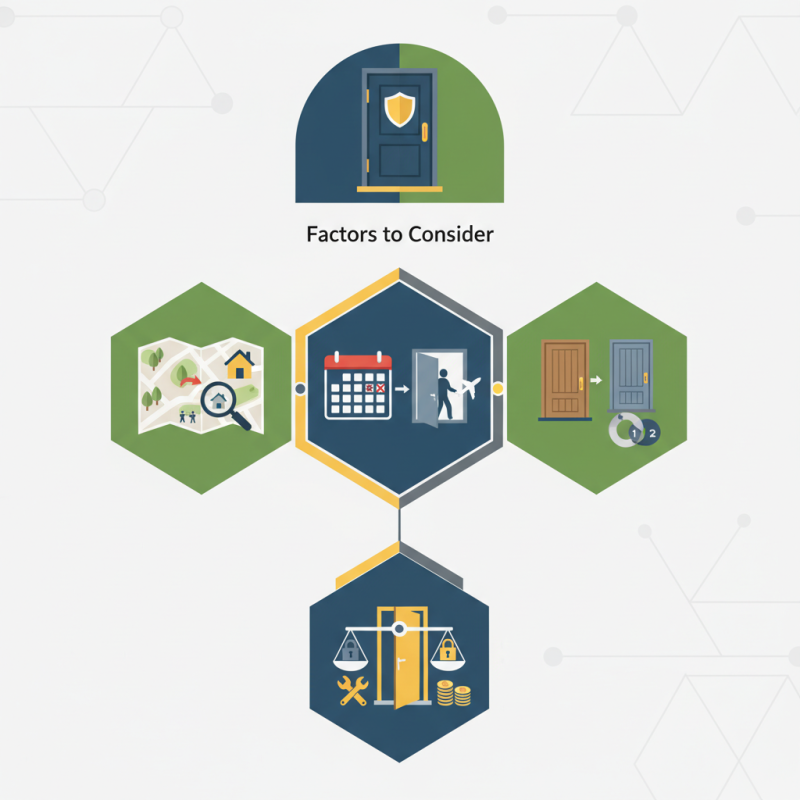
Choosing the right security level for your door involves understanding various security standards. Different levels offer unique benefits depending on your needs. For example, grade 1 locks provide the highest level of protection. They are often used in commercial buildings or high-risk areas. Meanwhile, grade 3 locks are suitable for residential homes.
You may find that your front door security is lacking. Even with a sturdy door, an average lock can be a weak point. It's essential to evaluate your environment. If you live in a neighborhood with higher crime rates, consider investing in stronger locks or an advanced security system. Many homeowners overlook this aspect. They often think a door is strong enough.
Deadbolts and smart locks are becoming popular choices. They enhance security, but not every option fits every door. Measure the door's thickness and check frame strength. Do not forget about hinges and strike plates. Often, these components are neglected but play a critical role in door security. Regularly reassess your door’s security level to adapt to any changing circumstances around you.
When assessing your security needs, consider your location and risk factors. Urban areas often face higher crime rates than rural ones. Analyze your neighborhood. Look for patterns of thefts or break-ins. This initial assessment can help you understand the level of security you require.
Tips: Install a second lock on exterior doors. It adds an extra layer of security. Motion sensor lights around entrances can deter intruders. This simple upgrade can enhance safety without breaking the bank.
High-risk locations may need specialized doors that resist forced entry. Think about potential vulnerabilities in your home. A door that feels solid may not always reflect true security. Regularly review your security systems and adapt to any changes in your environment.
When selecting a high-security door, several key features should guide your decision. Look for materials that can withstand force and resist impact. Steel doors are often preferred for their strength. Additionally, consider doors with reinforced frames. This feature adds an extra layer of protection against break-ins.
Locking mechanisms are crucial for security. Aim for multi-point locks that secure the door in several places. Deadbolts are also essential. They provide reliable protection against unauthorized entry. Pay attention to the door’s thickness as well. A thicker door can deter potential intruders.
Finally, think about ease of operation. High-security doors should not be overly complicated to use. Complex mechanisms can lead to frustration over time. Reflect on how you will use the door daily. Choosing the right balance between security and usability can lead to long-term satisfaction.
| Feature | Description | Importance Level |
|---|---|---|
| Material | High-security doors are typically made from reinforced steel or solid wood to resist forced entry. | High |
| Locking Mechanism | Look for multi-point locking systems or smart locks for enhanced security. | High |
| Impact Resistance | Doors should be rated for impact resistance to withstand significant force. | Medium |
| Fire Rating | Doors should have a fire rating to prevent the spread of fire and smoke. | Medium |
| Weather Resistance | Choose doors that can withstand various weather conditions to prevent damage. | Low |
| Aesthetics | Consider the visual appeal, as doors should complement the overall style of your home. | Low |
When it comes to safety, the materials used in your door play a critical role. Steel and fiberglass are common choices for their strength. Steel offers excellent resistance to forced entry. Fiberglass, on the other hand, provides good durability with less maintenance. Consider the climate you live in. Fiberglass can resist moisture better. However, steel might rust if not properly protected.
Lock technologies add another layer of security. Traditional locks can be easily picked or bumped. Smart locks feature advanced technology that enhances safety. They often include alarms and remote monitoring. This can be great, but they also require power and may fail if not properly maintained. Battery issues can leave you locked out.
Choosing the right combination of materials and technologies is key. Consider your living environment. Assess the threats present in your area. Some may prefer simplicity, while others want cutting-edge solutions. Remember, a budget-friendly option may lack the necessary features. Reflect on your choices regularly to ensure they still meet your security needs.
When maintaining door security, regular checks are crucial. Ensure locks are functioning correctly and replace any worn-out components. A loose doorknob could compromise security. Inspect the hinges; they should be rust-free and secure.
Tips: Check the door frame for signs of wear or damage. A sturdy frame adds strength and support. Don't neglect the importance of lubrication for locks. A well-lubricated lock operates smoothly and reduces wear.
Upgrades can enhance security significantly. Consider installing a smart lock or an additional deadbolt. These add layers of protection. A video doorbell can also deter intruders. It's a useful upgrade that provides peace of mind. Remember that while upgrades are important, maintaining existing security measures is equally vital. Regular assessments help identify vulnerabilities.
: Security grades range from grade 1 to grade 3. Grade 1 offers the highest protection, suitable for commercial use.
Evaluate your door and lock. Even a strong door can have weak locks that compromise security.
Assess your environment and crime rates. Higher crime areas should invest in stronger locks or security systems.
Install a second lock and use motion sensor lights. Both can significantly enhance safety affordably.
Materials like steel and fiberglass affect strength. Steel resists forced entry, but fiberglass requires less maintenance.
Smart locks offer advanced security features but need power. Always check batteries to avoid being locked out.
Yes, needs may change over time. Regular assessments ensure your door security remains effective against new threats.
Often, hinges and strike plates are neglected, yet they are crucial for overall door security.
Yes, a solid door might not reflect true security. Weak locks can be significant vulnerabilities.
Consider upgrading to modern locks for better security features that match your specific needs. Reflect on this regularly.
Choosing the appropriate security level for your residential door is crucial for ensuring the safety of your home. Understanding the different levels of door security standards can help you assess your specific security needs based on factors such as location and potential risks. Consider key features in high-security doors, including durable materials, advanced locking mechanisms, and smart technology options that enhance protection.
Additionally, comparing the materials and technologies available will enable you to make informed decisions that cater to your safety requirements. Regular maintenance and upgrades are essential for long-term security assurance, ensuring that your door remains robust against potential threats. By following this guidance, you can effectively determine how to choose the right security level for a residential door, providing peace of mind for you and your family.
