Why Choosing the Best Door for Humid Coastal Areas Matters?

Time:2026-05-09 Author:Madeline
0%

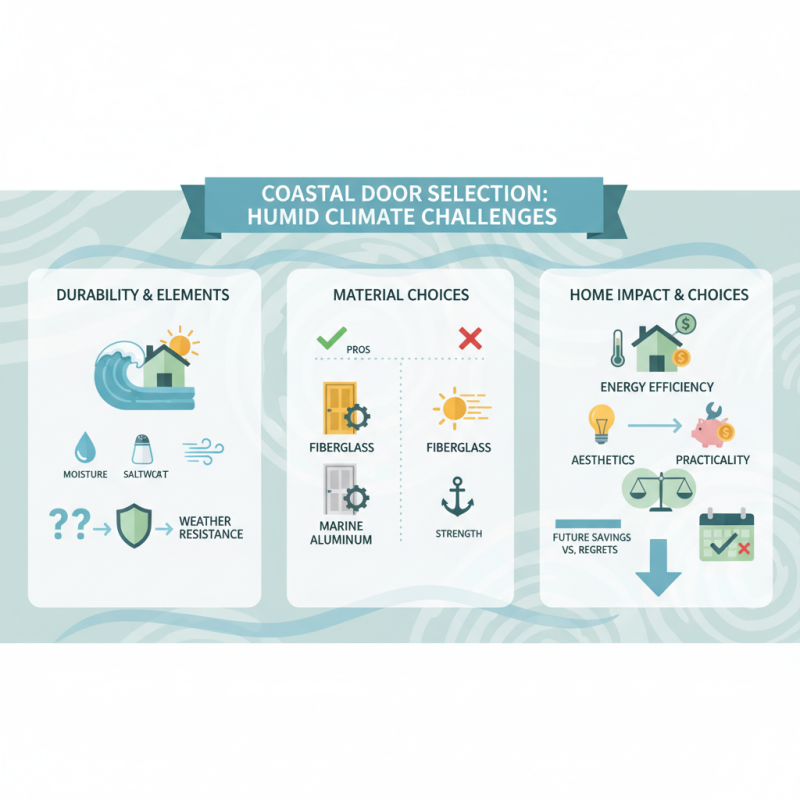
Choosing the right door for homes in humid coastal areas is crucial. The constant exposure to saltwater, moisture, and wind can significantly impact the durability and functionality of doors. Many homeowners overlook this aspect, leading to costly repairs or replacements.

When considering durability, weather resistance is paramount. It's essential to ask, "Which type of door is best for coastal areas with high humidity?" Options vary, from fiberglass to marine-grade aluminum. Each material has its benefits, but it’s vital to understand potential downsides. Fiberglass may withstand corrosion but can fade over time.

Moreover, selecting the right door directly affects your home's energy efficiency. Improperly chosen doors can lead to increased energy costs. Homeowners must weigh aesthetics against practicality. Should beauty sacrifice durability? This reflection is crucial in coastal settings. Making informed choices today can save future regrets.
Why Choosing the Best Door for Humid Coastal Areas Matters?

Importance of Selecting the Right Door for Coastal Environments

When selecting doors for coastal environments, durability is crucial due to high humidity and salty air. Research indicates that materials like fiberglass and vinyl outperform wood in these conditions. A study by the American Society of Civil Engineers highlights that proper material choice can extend the lifespan of coastal doors by up to 30%. These materials resist warping and corrosion, making them ideal for humid climates.

In addition to material considerations, door designs should feature proper sealing and drainage systems. This enhances moisture resistance and mitigates the risk of mold or mildew. Industry reports suggest that inadequate sealing can lead to a 20% increase in repair costs over time. It's evident that the right door choice not only affects physical integrity but also impacts long-term maintenance.

Coastal areas present unique challenges that cannot be ignored. Research by the National Association of Home Builders emphasizes that homeowners incorrectly assume all doors perform similarly in these environments. This misconception can lead to considerable future headaches. Investing in the right door is not just about appearance; it's about longevity and practicality in a demanding climate.

Understanding Humidity and Its Effects on Doors in Coastal Areas

Choosing the right door for humid coastal areas is crucial. High humidity can warp or damage doors, leading to expensive repairs. Wood doors may swell, while metal doors can rust. Moisture in the air affects the longevity of any material. Understanding the specific challenges of coastal environments helps in selecting appropriate doors.

When selecting doors, consider materials designed for humidity resistance. Fiberglass and vinyl are excellent choices. They do not absorb moisture, which helps prevent warping. Furthermore, ensure proper sealing around the door frame. This decreases the likelihood of water intrusion. Regular maintenance is also key. Check for signs of wear and apply weather sealing annually.

Tips: Always choose a door with a protective coating. This can reduce exposure to salt air. Inspect your door periodically for any signs of rust or damage. Replacing worn hardware can also make a big difference. Your door should be as resilient as your coastal lifestyle.

Materials Best Suited for Humid Coastal Conditions

When selecting doors for humid coastal areas, material choice is crucial. High humidity and salty air can wreak havoc on poorly chosen materials. For coastal environments, fiberglass is a popular option. It resists moisture and does not warp or swell like wood. This durability makes fiberglass ideal for homes exposed to harsh weather.

Another great choice is vinyl. It requires little maintenance and stands up well against corrosive elements. Unlike wood, vinyl won’t absorb water. It remains intact even during extreme weather shifts. However, some may find it less aesthetically pleasing compared to other materials.

Aluminum doors provide another solution. They can withstand humidity but may require a protective coating. Otherwise, they can corrode over time. There's no one-size-fits-all option. Each material has its pros and cons. Homeowners should weigh these factors carefully before making a decision.

Best Materials for Humid Coastal Areas

Key Features to Look for in Coastal Doors

Choosing the right door for humid coastal areas is crucial for durability and functionality. One key feature to consider is the material of the door. Fiberglass and vinyl are often better choices due to their resistance to moisture. Wood may look appealing but can warp or rot in high humidity. Durability should be your priority.

Another important aspect is the door's weather sealing. A good seal prevents water from seeping in. Look for doors with high-quality gaskets and seals. Poor sealing can cause mold and mildew in homes. It’s a real concern. Make sure the door has a reputation for effective weatherproofing.

Finally, consider the hardware used on the door. Stainless steel or corrosion-resistant materials work best in coastal climates. Regular maintenance is still necessary, even with these materials. A careful assessment of features can save homeowners from costly replacements down the line. Coastal environments are harsh, and the best door should stand up to those challenges.

Why Choosing the Best Door for Humid Coastal Areas Matters? - Key Features to Look for in Coastal Doors

Feature Importance Recommended Material
Corrosion Resistance Prevents deterioration from salty air Fiberglass, Vinyl
Humidity Resistance Minimizes warping and mold growth Composite wood, PVC
Insulation Enhances energy efficiency Foam-core, Solid wood
Maintenance Requirements Low maintenance saves time and costs Aluminum, Vinyl
Aesthetic Appeal Enhances property value and curb appeal Customizable wood, Fiberglass

Maintenance Tips for Doors in Humid Coastal Regions

In humid coastal regions, selecting the right door is critical for durability and maintenance. High humidity can encourage mold and rot, especially in wooden doors. A report by the American Wood Council highlights that wood exposure to moisture can reduce its lifespan significantly.

To maintain doors in these areas, regular inspections are essential. Check for signs of swelling or warping. The National Association of Home Builders recommends using a sealant to protect against moisture. Maintaining a consistent paint or finish can also reduce wear caused by salt and humidity. It's advisable to reapply protective coatings at least once a year.

Additionally, proper ventilation around doors is crucial. Poor airflow can trap moisture, leading to deterioration. Keeping the area clean of debris helps, but many homeowners overlook this. Simple cleaning routines can prevent long-term damage. Adapting to a humid environment takes effort, yet the benefits of pro-active maintenance are undeniable.

FAQS

: Why is material selection important for coastal doors?

: Material selection is crucial due to high humidity and salty air affecting durability.

What materials are recommended for coastal environments?

Fiberglass and vinyl are highly recommended, as they resist warping and corrosion.

How does the right door choice impact maintenance costs?

Proper sealing and material can reduce repair costs, preventing a 20% increase over time.

Can all doors perform similarly in coastal conditions?

No, it's a misconception. Different doors have varying durability and performance in humid areas.

Are fiberglass doors a good choice?

Yes, they resist moisture and do not warp, making them ideal for harsh weather.

How does vinyl compare to wood?

Vinyl requires less maintenance and does not absorb water, while wood can warp.

What about aluminum doors?

They withstand humidity but may corrode without a protective coating, requiring careful upkeep.

Is aesthetics a consideration for coastal doors?

Yes, some materials may be less visually appealing, which can affect homeowner preferences.

What is a common mistake homeowners make regarding doors?

Assuming all doors perform the same in coastal conditions can lead to future headaches.

How can homeowners make a better choice?

Weigh pros and cons of each material carefully, considering durability and maintenance needs.

Conclusion

Choosing the best door for humid coastal areas is crucial to ensure durability and functionality in challenging environments. High humidity levels can lead to various issues such as warping, rust, and mold growth, all of which compromise the integrity of standard doors. Therefore, understanding how humidity affects doors in coastal regions allows homeowners to make informed decisions.

When selecting the ideal door, materials such as fiberglass, stainless steel, or treated wood are recommended due to their resilience against moisture. Key features to look for in coastal doors include corrosion-resistant hardware and weather stripping that enhances sealing against moisture. To maintain these doors effectively, regular inspections and upkeep are essential. Ultimately, the question "Which type of door is best for coastal areas with high humidity?" points towards those specifically designed to withstand the challenges posed by such climates, ensuring longevity and performance.

Madeline

Madeline

Madeline is a dedicated marketing professional with a wealth of expertise in our company's core offerings. With a keen understanding of the industry, she brings a unique perspective to her role, consistently delivering high-quality content that highlights the superior aspects of our products. As......