Armor Door
Choosing the right security level for your home door is crucial for your peace of mind. According to John Smith, a noted security expert, “The security of your entry points can make or break your home’s safety.” When assessing options, it’s vital to consider both the material and design of the door, as well as the locking mechanism.
Many homeowners underestimate the importance of robust security. A strong door paired with a reliable lock significantly deters potential intruders. However, not every door needs the highest level of security, especially in low-crime areas. Assess your neighborhood and determine the right balance between security and cost.
Understanding how to choose the right security level for a residential door involves evaluating various factors. Think about your home’s location, your lifestyle, and potential threats. While it’s easy to overlook the details, a well-chosen door can enhance safety. Reflecting on each element can lead to better security decisions.
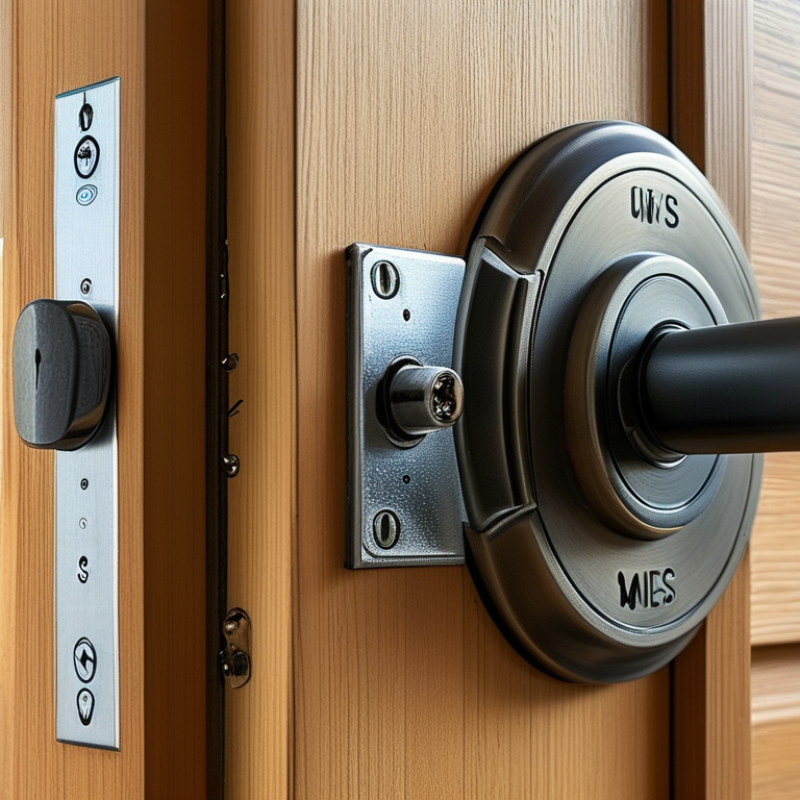
When considering home security levels, understanding their significance is crucial. According to a report from the Security Industry Association, homes without proper security measures are three times more likely to be targeted. The choice of security level for your door can significantly impact your overall home safety.
Different security levels are categorized based on features like the material, locking mechanism, and resistance to forced entry. For example, a reinforced steel door often provides better protection than a standard wooden one. A study by the Bureau of Justice Statistics revealed that nearly 70% of break-ins occur through the front door. Upgrading to a high-security lock can deter intruders effectively.
However, many homeowners overlook these details. Some feel a basic lock is sufficient. Yet, without proper research, they may leave their homes vulnerable. In addition, a survey by the National Crime Prevention Association showed that only 30% of homeowners take security seriously before an incident occurs. Assessing your home’s specific needs and vulnerabilities can lead to better security choices over time.
Choosing the right security door for your home involves understanding the various options available. A solid core door provides a robust barrier against break-ins. These doors are dense and offer excellent protection but can be heavy and require sturdy hinges.
Another option is a metal security door. These doors are made from steel or aluminum and are often reinforced. They come with features like deadbolts and heavy-duty locks. However, they can be prone to rust and may need periodic maintenance to ensure longevity.
You might also consider fiberglass doors. They mimic wood's appearance but offer superior security. Their resistance to warping and cracking is an advantage. Still, they may not provide the same level of impact resistance as metal doors. Balancing aesthetics and security features is crucial. Security doors also vary in price, which can lead to overspending if not researched carefully. Each type has its pros and cons, so reflection on your needs is essential.
When choosing the right security level for your home door, several factors come into play. The material of the door is crucial. Solid wood and steel doors generally provide better resistance against forced entry compared to hollow-core options. A well-built door offers more than just a barrier; it can deter potential intruders from attempting a break-in. However, even the sturdiest door can be ineffective if the frame and hinges are weak.
Lock type is another vital consideration. Deadbolts add a higher security level than standard doorknob locks. They come in single and double-cylinder options. While single-cylinder models are convenient, double-cylinder locks can enhance safety for doors with glass panels nearby. Remember that keyless entry systems can offer both convenience and security, but they raise concerns about technology vulnerabilities.
Moreover, the overall security environment of your neighborhood plays a role. Areas with higher crime rates might necessitate stronger security features. Regular maintenance checks of all security elements are equally important. Over time, locks can wear down, and doors can shift from their original positions. Ultimately, it’s essential to evaluate not only what is available but also what fits your specific security needs.
| Security Feature | Description | Security Level (1-5) | Recommended for |
|---|---|---|---|
| Heavy-duty Deadbolt | A robust locking mechanism that provides enhanced strength against forced entry. | 5 | High-crime areas |
| Smart Lock | A digital lock that can be controlled via smartphone, offering convenience and monitoring. | 4 | Tech-savvy users |
| Security Door Frame | A reinforced frame that provides added protection to the door's structure. | 5 | All homes |
| Sensor-Activated Alarm | An alarm that triggers when motion is detected near the door, enhancing security awareness. | 4 | Family homes |
| Reinforced Glass | Laminated or tempered glass that is more resistant to shattering. | 3 | Homes with glass doors |
Choosing the right security level for your home door starts with understanding vulnerabilities. Research shows that nearly 34% of burglars enter homes through the front door. This statistic emphasizes the need for robust door security measures. Begin by inspecting your current door. Look for weaknesses in the frame, hinges, and locks.
Consider the material of your door. Solid wood and metal doors provide better protection than hollow-core doors. According to a study by the Bureau of Justice Statistics, homes with secure doors are 50% less likely to be targeted for burglary. Ensure your door has a deadbolt lock, which offers a stronger barrier.
**Tips:** Reinforce hinges with long screws. A door viewer can increase your awareness of visitors. Also, use a smart lock for added security and convenience. Regularly assess any wear and tear on your door and locks. This continuous evaluation helps maintain a secure entry point.
Choosing the right security level for your home door is crucial. It often boils down to balancing cost and security. According to a report by the Bureau of Justice Statistics, about 1.9 million burglaries occur annually. Investing in a secure door can significantly reduce this risk. However, homeowners must consider their budgets while ensuring adequate security.
For instance, a basic door may cost around $200, but it might not offer much protection. Upgrading to a solid wood or steel door can increase costs to $500 or more. A study from the National Institute of Justice recommends a security door with at least a Grade 1 rating. While these doors might be pricier, they provide better durability and resistance to forced entry. Many homeowners overlook that increasing security features may lead to decreased home insurance premiums, which can help offset initial costs.
Don't forget the locks and hinges. Quality locks can range between $50 to $200. A high-security lock provides added peace of mind. However, a common mistake is choosing low-cost options to save money. These often fail to meet safety standards. Evaluate your specific needs. Investing wisely in door security might initially seem expensive, but it can save you from potential losses in the long run. Consider both functionality and cost for long-term efficiency.
: A solid core door is dense and creates a robust barrier, though it can be heavy and requires strong hinges.
Yes, metal doors, made from steel or aluminum, offer durability. However, they can rust and need regular maintenance.
Fiberglass doors look like wood but resist warping. They may not be as impact-resistant as metal doors, so consider your needs.
Material type, lock quality, and door frame strength are crucial. Weak frames can make even strong doors ineffective against intruders.
Deadbolts provide more security than standard locks. Double-cylinder models are safer for doors near glass panels, but they reduce convenience.
Yes, areas with higher crime rates often need stronger security features. Assess the overall security environment when making your choice.
It’s vital to ensure adequate security at a budget. Basic doors might be cheap but can lack protection; weigh costs against safety.
Yes, upgrading to a more secure door can lead to decreased home insurance costs, offsetting the initial investment over time.
Opting for low-cost locks is a mistake. They often fail to meet safety standards and can compromise your home's security.
Over time, doors and locks can wear out or shift. Regular checks maintain effectiveness and help prevent potential security breaches.
When considering how to choose the right security level for a residential door, it's essential to understand the various home security levels and their significance in protecting your property. This involves an overview of the different types of security doors available, each offering unique features tailored to various needs and vulnerabilities.
Factors such as the specific vulnerabilities of your home, the location, and potential threats should be assessed carefully. A step-by-step guide can assist homeowners in identifying these vulnerabilities while ensuring that they balance cost with security when budgeting for door choices. Ultimately, selecting the appropriate security level for your door is a crucial step in enhancing your home’s safety and providing peace of mind.