Armor Door
Choosing the right thermal break door can significantly impact your energy efficiency. Many homeowners wonder, "Why should I choose a thermal break door for energy efficiency?" This decision goes beyond aesthetics. It involves sound knowledge about materials and thermal performance.
Thermal break doors are designed to minimize heat transfer. They use insulating materials that separate metal components. This design helps maintain indoor temperatures. As a result, less energy is required for heating and cooling. You can potentially lower your energy bills.
Not all thermal break doors are created equal. Factors such as frame materials and installation quality matter. It's essential to consult with professionals during your selection process. This expertise can help ensure that you maximize the doors' energy efficiency benefits. The initial cost may be higher, but the long-term gains are significant. Understanding these nuances will lead to better choices for your home.
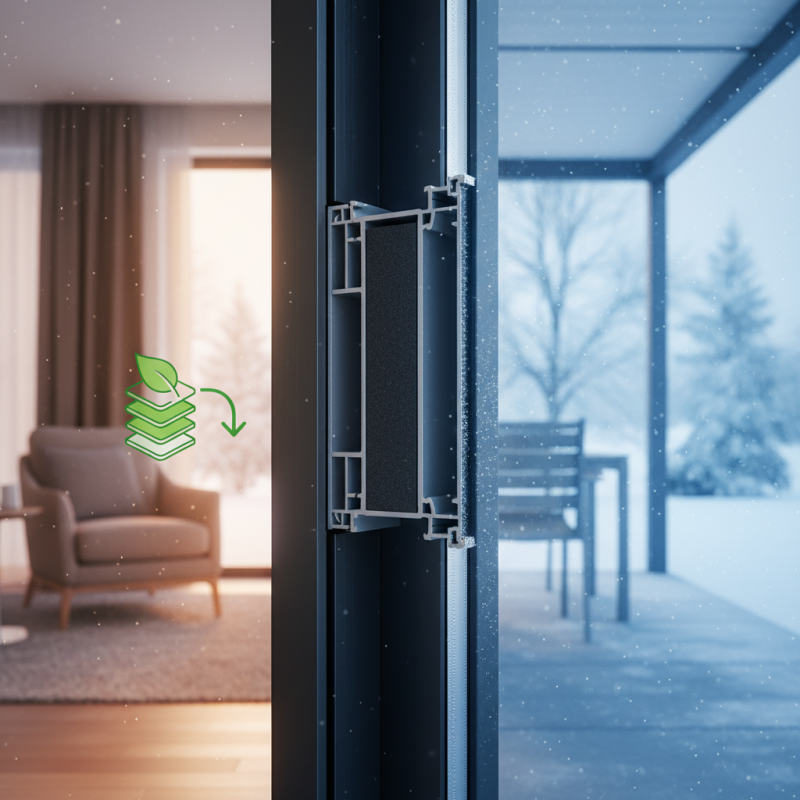
Thermal break doors are crucial for energy efficiency. They incorporate thermal break technology, reducing heat transfer between indoors and outdoors. This innovation works by using a non-conductive material in the frame. As a result, less energy is needed for heating and cooling. You benefit from lower utility bills and a more comfortable living space.
When selecting thermal break doors, consider insulation value. Look for doors with a high R-value. This indicates better thermal resistance. Additionally, think about weatherproof seals. These features prevent air leaks and further enhance energy performance.
Tips: Always check installation quality. Poorly installed doors can negate energy savings. Regular maintenance matters too. Inspect seals and frames for wear and tear. A little attention goes a long way in sustaining efficiency. Rethink your options if certain doors seem overpriced. Sometimes, cheaper alternatives outperform high-end options when properly installed.
When selecting thermal break doors, energy efficiency is a key factor. These doors minimize heat transfer, which is crucial for maintaining comfortable indoor temperatures. Look for doors with high insulating values. This indicates their ability to resist heat flow. A thermal break is essential and should be made from a material like polyamide. This material effectively separates interior and exterior surfaces.
Consider the door's design. A well-designed door should limit air leaks. Look for features such as weather stripping. This can greatly improve energy savings. Pay attention to the frame construction as well. A robust frame ensures better insulation. It's important to assess the overall fit of the door. Even a small gap can undermine its effectiveness.
Installation plays a critical role in performance. Improperly installed doors can lead to energy loss. Seek professional assistance during installation. Moreover, regularly inspect your doors for wear. Signs of damage can indicate reduced energy efficiency. Reflecting on these aspects can lead to better choices. Enhanced energy efficiency ultimately translates into cost savings.
| Aspect | Considerations | Energy Efficiency Impact |
|---|---|---|
| Material Type | Aluminum with thermal break vs standard aluminum | Higher insulation performance, reduces energy loss |
| Sealing | Quality of weather stripping and seals | Prevents drafts, enhances thermal efficiency |
| U-Factor | Measures heat transfer; lower U-factor is better | Indicates better energy efficiency |
| Installation | Professional installation vs DIY | Proper installation prevents energy leakage |
| Glass Type | Single, double, or triple glazing | More glazing increases thermal insulation |
When selecting thermal break doors, the choice of materials is critical for energy efficiency. Look for options that offer excellent insulation properties. Steel and fiberglass are popular choices. Both materials provide durability while enhancing thermal performance. Combining these materials with energy-efficient glazing can significantly reduce heat transfer.
Construction techniques also play a key role. Pay attention to the frame design and insulation layers. A well-constructed thermal break door often incorporates multiple insulation layers. These layers trap air and create a barrier against temperature fluctuations. Ensure proper sealing around edges to prevent drafts. Even small gaps can lead to energy loss.
While optimizing for insulation, consider potential drawbacks. The initial investment may be higher. Maintenance requirements can increase over time. Balancing cost and performance is essential. Regular inspections are needed to ensure lasting efficiency. Aim for a solution that meets both energy efficiency and aesthetic preferences. Design choices should not compromise functionality.
Choosing the right thermal break doors requires careful consideration of various door configurations. Different climate conditions significantly affect energy efficiency. For cold climates, doors with thicker insulation provide better performance. They minimize heat loss, aiding overall energy conservation. In contrast, in warmer climates, lighter doors with ventilation options can enhance air circulation, reducing cooling costs.
Assessing door materials is also essential. Aluminum or fiberglass with thermal breaks can improve efficiency in diverse environments. The orientation of doors plays a crucial role too. East or west-facing doors may need additional treatments to combat morning or evening heat. Customized solutions often yield the best results for specific settings.
However, there can be challenges. Some homeowners may overlook the importance of proper sealing. Gaps can lead to unwanted air leaks, undermining energy savings. The choice of color can also affect thermal performance. Darker colors absorb more heat, possibly impacting energy use. Understanding these nuances ensures a more informed decision when selecting thermal break doors.
Choosing the right thermal break doors is essential for energy efficiency. However, maintaining these doors requires attention. Regular upkeep can significantly extend their lifespan and performance. Clean the door frames and seals frequently to prevent dirt and dust buildup. This helps maintain a proper seal against air leaks.
Inspect the hardware periodically. Look for any loose screws or malfunctioning handles. It may seem minor, but ignoring these issues can lead to bigger problems. Lubricate hinges and locks to ensure smooth operation. This not only enhances the door's functionality but also prevents premature wear.
Weatherstripping is crucial. Check for any gaps or cracks. Replacing worn-out strips can improve insulation and energy savings. Be aware that every small detail counts. Regular inspections can reveal unnoticed wear. This practice encourages you to take proactive measures instead of waiting for significant issues to arise.
This chart illustrates the energy efficiency ratings of different thermal break door materials based on their insulation properties. The ratings indicate the effectiveness of each material in reducing energy loss.
: Consider climate conditions, door materials, and configurations to enhance energy efficiency.
Cold climates need thicker insulation, while warmer climates benefit from lighter doors with ventilation.
Proper sealing prevents air leaks, which helps maintain energy savings and efficiency.
Clean frames and seals regularly to prevent dirt buildup and ensure a proper seal.
Regular inspections can identify loose screws or malfunctioning parts that may cause bigger issues.
Good weatherstripping improves insulation and prevents air leaks, enhancing energy savings.
Yes, darker colors absorb more heat, potentially affecting energy use and efficiency.
Replace worn-out weatherstripping to improve insulation and maintain energy efficiency.
Lubricate hinges and locks regularly to prevent wear and enhance functionality.
No, regular inspections help you catch small issues before they become significant problems.
Choosing a thermal break door is essential for enhancing energy efficiency in both residential and commercial buildings. Thermal break technology significantly reduces heat transfer, minimizing energy costs associated with heating and cooling. Understanding the specific benefits of this technology allows property owners to make informed decisions about their insulation needs. Key considerations include assessing materials and construction techniques that ensure optimal insulation, as well as evaluating door configurations that suit various climate conditions.
Maintenance is also vital for prolonging the lifespan and efficiency of thermal break doors. Regular upkeep can prevent energy loss and ensure the doors perform effectively over time. In summary, when asking, "Why should I choose a thermal break door for energy efficiency," the answer lies in the blend of superior insulation properties and the long-term cost savings they offer, making them a smart investment for energy-conscious consumers.
