What is the difference between a fire door and a steel door?

Time:2026-07-09 Author:Ethan
0%

In the realm of building safety, understanding what differentiates a fire door from a normal steel door is crucial. Fire doors are specifically designed to withstand fire for a certain period, often rated between 20 to 120 minutes under testing standards. This unique feature is vital for allowing people to escape during emergencies. On the other hand, normal steel doors provide security but lack fire-resistance ratings.

According to the National Fire Protection Association (NFPA), around 3,000 lives are lost yearly due to residential fires. Proper installation of fire doors can significantly reduce this toll. Fire doors are constructed with materials that can withstand high temperatures, while ordinary steel doors are not subjected to these rigorous fire-resistance tests. The absence of these critical specifications makes normal steel doors less effective in life-threatening situations.

Industry reports emphasize the importance of compliance with local regulations regarding fire safety. Understanding what is the difference between a fire door and a normal steel door is not only an issue of construction but also of life safety. Choosing the correct door type can be the difference between life and death in an emergency. However, many buildings still overlook proper fire door installations, highlighting an area that requires ongoing attention and improvement.
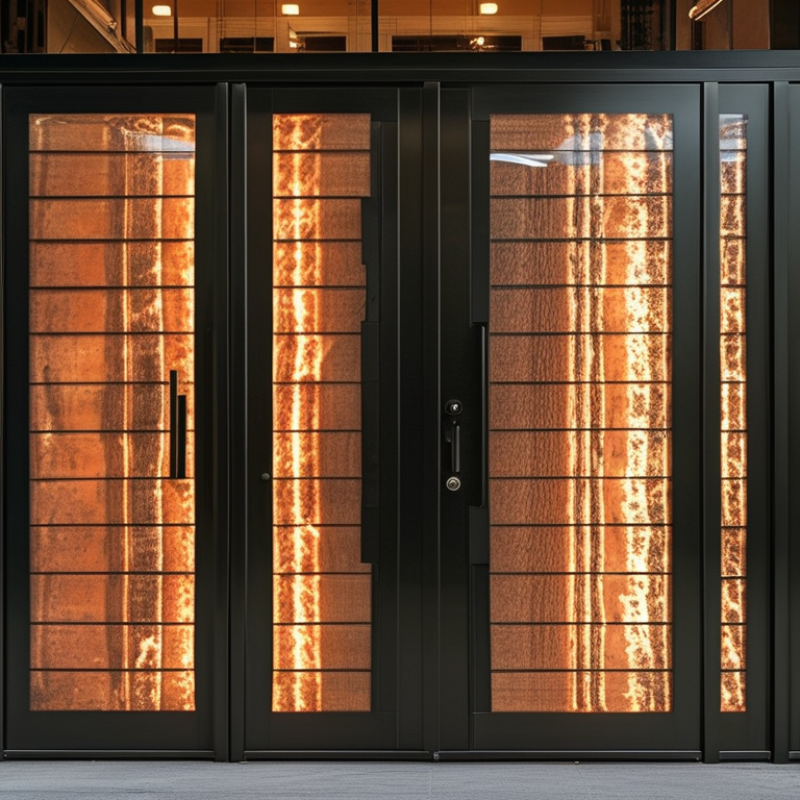
What is the difference between a fire door and a steel door?

Definition and Purpose of Fire Doors

Fire doors are specifically designed to prevent the spread of fire and smoke. They play a crucial role in building safety. These doors are made from materials that can withstand high temperatures. Usually, they contain a fire-resistive core. This core is often surrounded by a frame that protects the door itself.

In contrast, a steel door is primarily constructed for security and resilience. While some steel doors may have fire ratings, their main purpose is not fire safety. Steel doors are excellent for high-traffic areas. They withstand wear and tear better than many other materials.

Tips for selecting fire doors: Always check the fire ratings. It’s important to ensure they meet local safety standards. Installing them in the right locations can save lives. Regular maintenance is essential. Inspect the doors and frames for damage. A small issue can make the door ineffective in an emergency.

Consider the door's importance in your building. While they may seem simple, they are life-saving installations. Reflect on where you place these doors. Are they easily accessible? This small detail could be vital when seconds count in an emergency.

Comparison of Fire Doors and Steel Doors

This chart compares the key features of fire doors and steel doors, highlighting their primary applications and benefits.

Construction and Materials of Fire Doors vs. Steel Doors

Fire doors and steel doors serve different purposes and are constructed from distinct materials. Fire doors are specifically designed to prevent the spread of fire and smoke. They usually contain a core made of gypsum, mineral cores, or steel, and often have intumescent seals. This construction allows them to withstand high temperatures for a specified time, often ranging from 30 minutes to several hours. They are vital in commercial buildings and residential complexes for safety.

In contrast, steel doors are engineered mainly for security and durability. They are typically made from steel sheets, often filled with insulating materials. While they provide some level of fire resistance, their primary function is to enhance security and withstand impact. The strength of steel doors makes them a popular choice for high-traffic areas and facilities requiring robust access control. However, they may not meet the fire safety codes that fire doors comply with. Choosing between the two often requires careful consideration of the building's needs, codes, and safety requirements.

Fire Resistance Ratings and Testing Methods

Fire doors and steel doors serve distinct purposes, especially when considering fire resistance ratings. Fire doors are specifically designed to limit the spread of fire and smoke. They are tested to comply with various fire resistance standards, such as those established by the Underwriters Laboratories (UL) or the National Fire Protection Association (NFPA). These ratings typically range from 20 minutes to 2 hours, depending on the door’s construction quality and the materials used. Steel doors can also be rated for fire resistance, but not all steel doors are fire doors.


The testing methods for fire doors involve rigorous procedures. For instance, the fire door must endure a specific temperature for a designated time. A common test method is the ASTM E119 standard, which evaluates how long a door can withstand fire. According to a report from the Fire Protection Research Foundation, improperly installed or maintained fire doors can fail to perform during a fire, highlighting the need for regular inspections. This emphasizes that fire resistance is not solely about the door material; installation practices play a critical role in ensuring safety.


Moreover, many assume that any steel door offers adequate fire protection. This assumption can be misleading. While sturdy, these doors might lack the fire-resistant core needed for compliance with industry standards. An analysis from the National Institute of Standards and Technology reveals that only certified fire doors can effectively serve their purpose in emergency situations. Hence, understanding and distinguishing between the two types can be crucial in fire safety planning.

Applications and Regulations for Fire Doors and Steel Doors

Fire doors and steel doors serve distinct purposes in building safety and security. Fire doors are designed to contain fire and smoke, providing critical escape routes during emergencies. They are often required in commercial buildings, schools, and hospitals. On the other hand, steel doors are primarily used for security and durability. They do not have the same fire-resisting capabilities, so their applications differ significantly.

When selecting a fire door, ensure it meets local safety regulations. Check its fire rating and installation requirements. These doors must be self-closing and equipped with proper hardware. It's essential to conduct regular inspections to maintain their effectiveness. Remember, a neglected fire door may not function correctly in an emergency.

Tips: Consider the environment where these doors will be installed. In high-traffic areas, durability matters. Also, budget for maintenance; high-quality fire doors can be more cost-effective long-term. While steel doors can deter unauthorized access, they may not prevent smoke from spreading. Always think about your specific needs before making a decision. The safety of any building depends heavily on proper door selection and maintenance.

Maintenance and Installation Considerations for Both Door Types

When considering fire doors and steel doors, maintenance and installation are crucial aspects. Fire doors require regular inspections. These checks ensure they function as intended during emergencies. Cracks, warping, or damage can compromise safety. Steel doors, on the other hand, need less rigorous inspections. However, they still require occasional checks for rust or mechanical wear. Ignoring these signs can lead to larger issues down the line.

Installation varies significantly between the two. Fire doors must meet strict regulations. They require proper frames and hardware for reliability. Installation often needs professional expertise to meet safety codes. Steel doors are generally more straightforward to install. Their versatility allows for various fittings and styles. Yet, improper installation can lead to security risks.

Both door types benefit from understanding their specific needs. Maintaining fire doors involves adhering to safety standards. For steel doors, routine checks enhance longevity. A well-installed fire door or steel door offers better protection. Mistakes in installation or maintenance can create vulnerabilities. Prioritizing these aspects makes a difference for building safety.

FAQS

: What are the main purposes of fire doors?

: Fire doors prevent the spread of fire and smoke. They are essential for building safety.

What materials are commonly used in fire doors?

Fire doors often contain a fire-resistive core made from gypsum or steel. Intumescent seals add protection.

How do fire doors differ from steel doors?

Fire doors focus on fire safety, while steel doors prioritize security and durability. They serve different functions.

Why is regular maintenance important for fire doors?

Regular inspections check for damage. Even small issues can render the door ineffective during emergencies.

Are steel doors fire-resistant?

Some steel doors provide limited fire resistance but are not designed primarily for fire safety like fire doors.

What should be considered during the installation of fire doors?

Fire doors require strict regulations and professional expertise to ensure they meet safety codes.

How often should steel doors be inspected?

Steel doors need occasional checks for rust or wear. These inspections help prevent larger issues later on.

Can the placement of fire doors impact safety?

Yes, the accessibility of fire doors is critical. It can be a vital factor in emergencies where every second counts.

What happens if fire doors are improperly maintained?

Neglecting fire door maintenance creates vulnerabilities. This could lead to catastrophic consequences in an emergency.

What installation mistakes should be avoided with steel doors?

Improper installation can lead to security risks. Understanding the specific needs enhances both security and safety.

Conclusion

Fire doors and normal steel doors serve distinct purposes, primarily focused on safety and building regulations. Fire doors are specifically designed to prevent the spread of fire and smoke, constructed from materials that can withstand high temperatures. They are subject to rigorous fire resistance ratings and testing methods to ensure their efficacy during emergencies. In contrast, normal steel doors, while sturdy and durable, do not have the same fire-resistant properties and are generally used for security rather than safety.

When addressing the question, "What is the difference between a fire door and a normal steel door," one must consider their applications and regulatory requirements. Fire doors must meet specific codes that dictate their use in various structures, ensuring they provide adequate protection in the event of a fire. Additionally, maintenance and installation practices differ, as fire doors require regular inspections to uphold their safety standards, while steel doors focus more on durability and ease of access. Understanding these differences is crucial for selecting the appropriate door type for any given environment.

Ethan

Ethan

Ethan is a seasoned marketing professional with a deep expertise in our company's innovative product line. With a passion for sharing knowledge and insights, he takes the lead in regularly updating our corporate blog, where he explores industry trends, product features, and effective marketing......