Armor Door
Soundproofing an existing metal entry door can enhance your home's comfort and privacy. Many people overlook this crucial element when considering noise reduction. Metal doors are durable, but they often allow sound to penetrate through gaps, hinges, and edges. Understanding how to address these weaknesses is vital.
To effectively soundproof your metal door, you need practical techniques that yield noticeable results. Employing strategies like weather stripping and soundproof mats can create a significant barrier against unwanted noise. Yet, some methods may require careful installation, which can seem daunting. It's essential to choose solutions that fit your needs and lifestyle.
While the process may take time and effort, the rewards are worth it. Imagine transforming your entryway into a serene transition from the outside world. With a few effective changes, you can significantly reduce noise pollution. Remember, the goal is not merely to block sound but to create a peaceful environment at home.
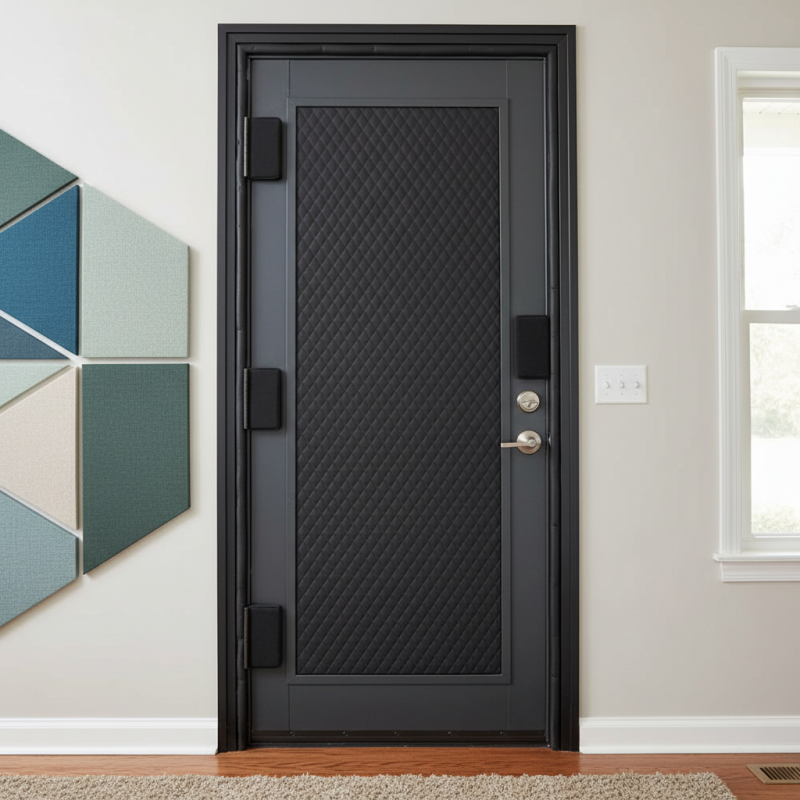
Soundproofing metal entry doors is vital for enhancing home comfort. Noise pollution can impact mental health and overall well-being. A recent study shows that excessive noise can lead to stress, sleep disturbances, and decreased productivity. Therefore, understanding how to soundproof these doors is not just about comfort; it’s about creating a healthier living environment.
One effective tip involves installing soundproof door sweeps. These help fill gaps at the bottom of doors. They block unwanted sound from entering. Another method is to use acoustic panels. Applying them can significantly reduce noise levels. These panels absorb sound waves effectively, mitigating disturbances from outside.
Consider the door's core material as well. Solid-core doors provide better sound insulation than hollow-core options. Opting for heavier materials may require more effort during installation but yields superior results. Additionally, ensure all seams and edges are sealed with a high-quality acoustic caulk. This prevents sound leakage, enhancing overall effectiveness. Always remember, even minor details can affect your soundproofing efforts.
This chart illustrates the effectiveness ratings of various soundproofing methods for metal entry doors, rated on a scale of 1 to 10. Implementing these strategies can significantly reduce noise pollution in your home.
When it comes to soundproofing your home, understanding noise sources is key. Common culprits include traffic sounds, loud neighbors, and even household appliances. These noises can seep through your metal entry door, disrupting your peace. Knowing where the noise comes from helps you pinpoint solutions.
Doors are often the weakest link in soundproofing. Gaps around the frames allow noise to enter. Weather stripping can be a simple fix, but it doesn't always block lower frequencies. Heavyweight curtains or acoustic panels near the door offer additional barriers. Even though these methods can work, they may not eliminate noise completely. You might find room for improvement as you implement these suggestions.
Finally, take a moment to assess your living space. Notice how noise travels from room to room. This reflection can lead to better solutions. Every home is unique, and what works for one might not work for another. Soundproofing requires patience and a willingness to experiment with different techniques.
When soundproofing a metal entry door, selecting the right materials is crucial. Heavyweight materials can effectively block sound waves. Look for dense foam or mass-loaded vinyl. These materials have sound-dampening properties. They can significantly reduce noise infiltration. Acoustical caulk is another essential addition. This flexible sealant fills gaps and cracks, preventing sound leaks.
Consider adding a soundproofing door sweep. This simple strip can be installed at the bottom of the door. It creates a seal that minimizes sound escape. Adding sound-absorbing curtains over the door is also a viable option. They can reduce noise from outside while enhancing aesthetics. However, you may find these solutions less effective in extreme noise environments.
Experiment with layering different materials. Combining foam panels with barrier sheets can yield better results. Sometimes, you might not achieve the desired silence. In such cases, revisiting your choices could help. Evaluate each material's performance. Ensure you're using the right thickness and density. It’s about finding the right balance between functionality and appearance.
Soundproofing your metal entry door can significantly reduce noise. Start by measuring your door and noting any gaps. These gaps are potential sound leak points. Use weatherstripping to seal small openings effectively. This step might seem basic but often gets overlooked. Pay special attention to the bottom of the door. A simple door sweep can further block noise from entering.
Next, consider adding a soundproofing blanket. These blankets are dense and can absorb sound well. Attach them using adhesive hooks, making sure they cover the entire door surface. If you notice that the door rattles, additional insulation is needed. Adding a layer of mass loaded vinyl can improve sound dampening. This material is heavy and works wonders against sound transmission. Each installation step may not be perfect at first. Take your time, and don't hesitate to redo sections as needed.
Finally, if your door has a window, consider using acoustic glass. This type of glass helps minimize outside noise. Seal the edges well to enhance its effectiveness. Small details matter in soundproofing. Reflect on what works best in your space and adjust your methods accordingly. Soundproofing is an evolving process that may require some trial and error.
Maintaining your soundproofed metal door is crucial for long-term effectiveness. Regular checks can prevent sound leaks. It’s essential to look for gaps. Even tiny spaces can let noise in. Weatherstripping is a good choice. Check if it’s worn or damaged and replace it as needed.
Another important aspect is the seal. Ensure that the door seals tightly when closed. A loose seal can diminish the soundproofing effect. Consider using acoustic caulk on edges. This fills in small cracks and improves insulation. Tight screws and hinges also play a role. They can create vibrations that transmit noise.
Cleaning is often overlooked. Dust and debris can interfere with soundproofing. Wipe down the door regularly. Focus on seals and edges. Ensure everything is clear for optimal performance. Make it a habit. Every few months, reassess your door's soundproofing. Keeping a record might help you notice changes over time. Soundproofing takes effort. But with consistent maintenance, your metal door will continue to perform effectively.
: Common sources include traffic sounds, loud neighbors, and household appliances.
Gaps around door frames allow noise to enter, disrupting peace.
Weather stripping can effectively seal small openings.
A door sweep can help block noise at the bottom.
Adding a soundproofing blanket can absorb noise well.
Take your time and redo sections as needed for better results.
Regularly check for gaps and replace worn weather stripping.
Dust and debris can interfere with performance. Keep surfaces clean.
Acoustic caulk can fill small cracks and improve insulation.
Every few months, assess the door's condition and effectiveness.
Soundproofing your metal entry door is essential for enhancing privacy and reducing noise pollution in your home. By understanding the importance of soundproofing, identifying common noise sources, and selecting the appropriate soundproofing materials, you can effectively mitigate unwanted sound. The installation process involves straightforward steps, ensuring that your efforts yield long-lasting results.
To learn how to soundproof an existing metal entry door, consider maintaining your soundproofing solutions regularly, as this will help preserve their effectiveness over time. With these effective tips, you can create a quieter and more serene living environment, free from the distractions of external noise.
