What Is a Fire Rated Door and How Long Does It Last?

Time:2026-09-07 Author:Aria
0%

A fire-rated door is a tested door assembly designed to resist fire, smoke, and heat for a specified period. It includes more than the door leaf. The frame, hinges, latch, closer, glazing, seals, and hardware must work together. Under NFPA 80, these components require regular inspection and maintenance. A missing seal can compromise the assembly quickly.

The need is measurable. NFPA’s Fire Loss in the United States report recorded approximately 1.39 million fires in 2023, causing about 3,670 civilian deaths and $22.2 billion in direct property damage. These figures explain why passive fire protection remains essential in offices, hospitals, hotels, and apartment buildings. UL 10C and related testing standards evaluate fire door assemblies under controlled furnace conditions. Building codes then assign ratings according to the wall and opening design.

So, How long does a fire-rated door stay effective during a fire? The answer depends on its certified rating, installation, condition, and exposure. Common ratings include 20, 45, 60, 90, and 180 minutes. A 60-minute door is not a guarantee of survival in every real fire. Heat, smoke pressure, damaged hardware, poor fitting, or repeated propping can reduce performance. That detail is easy to overlook.

A reliable assessment should verify the certification label, inspect clearances, test the self-closing device, and confirm that no unauthorized modifications exist. NFPA 80 generally calls for documented inspections at least annually, subject to local requirements. Real-world experience also shows a weakness: ratings are often treated as countdown clocks. They are not. This guide examines what the rating means, how testing works, and why maintenance can matter as much as the original specification.
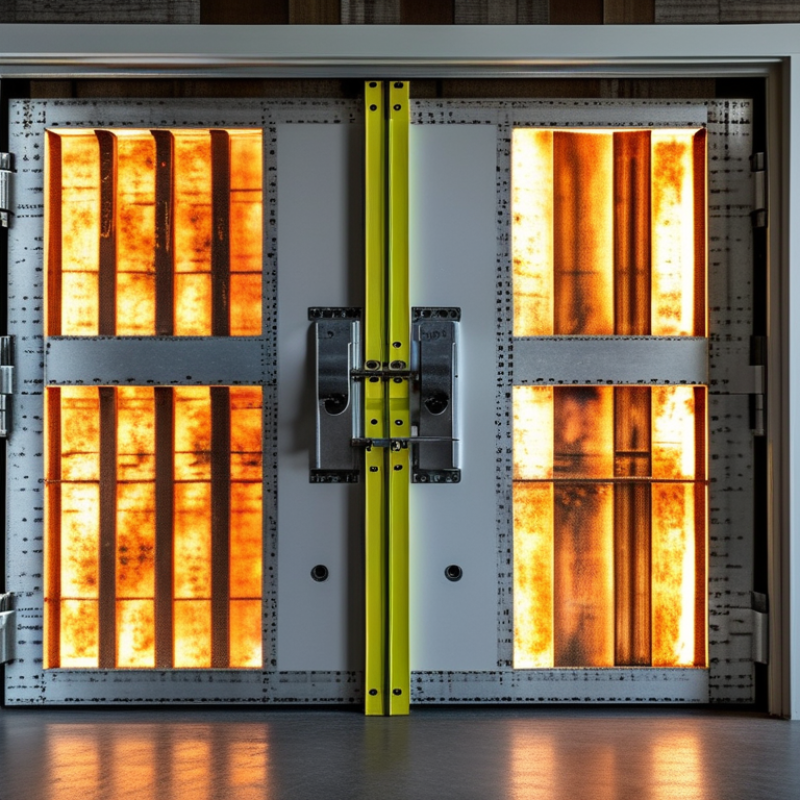
What Is a Fire Rated Door and How Long Does It Last?

What Is a Fire-Rated Door and What Purpose Does It Serve?

A fire-rated door is a tested door assembly designed to slow fire and smoke movement between protected areas. It includes more than the door leaf. The frame, hinges, closer, latch, glazing, and edge seals must work together. When exposed to heat, these parts help maintain a protected opening for a specified period, such as 30, 60, or 90 minutes.

Its main purpose is compartmentation. A closed fire door can help keep flames and smoke inside a room or fire zone while people move toward an exit. It also protects stairways, corridors, electrical rooms, and other escape routes. In real buildings, a door that does not close fully may fail when it matters most. A wedge under the door can defeat the entire assembly. Small gaps can matter.

The rating applies to the complete, tested assembly, not just a label on the door. Installation should follow the approved listing and local safety requirements. Regular checks should confirm that hinges are secure, seals are present, and the closer shuts the door without assistance. Damage, altered hardware, or excessive clearance can reduce performance. A label alone can create false confidence. Even careful maintenance cannot make every door suitable for every opening, so qualified inspection remains important.

How Are Fire-Rated Doors Designed and Tested?

How Are Fire-Rated Doors Designed and Tested?

A fire-rated door is designed as a complete assembly, not just a thick door panel. The leaf, frame, hinges, closer, latch, glazing, and seals must work together. Manufacturers typically use mineral-based cores, reinforced layers, and heat-resistant materials. Intumescent seals expand when heated. They close gaps around the door edges.

Testing takes place in a controlled furnace. The complete assembly faces rising temperatures for a specified period, such as 20, 60, or 90 minutes. Technicians monitor flames, smoke leakage, temperature rise, and structural stability. Some standards also require a hose-stream test after furnace exposure. Requirements can differ by location and rating system. That detail matters.

The rating applies to the tested assembly. A certified door leaf may lose its protection if installed in an unsuitable frame. Unapproved glass, missing screws, or a weak closer can create failure points. A field lesson is easy to overlook: maintenance affects fire performance. Inspectors check alignment, latching, seals, and damage during routine reviews. A door that stays propped open offers little protection. It may look sound. That is not enough. Testing also has limits, because real fires vary in heat, smoke movement, pressure, and duration. Detailed installation records and competent inspection remain essential.

What Are the Main Fire-Rating Classifications?

A fire-rated door is a tested assembly, not just a heavy metal or wooden door. It includes the door leaf, frame, hinges, closer, latch, seals, glazing, and approved hardware.

During a site inspection, even a small gap beneath the door can raise concerns. A rating describes tested performance under fire exposure.

It does not mean the door is fireproof.

The main classifications show how long the complete assembly can resist fire.

Common ratings include 20, 45, 60, 90, and 180 minutes. A 20-minute door may protect a corridor opening. A 60-minute assembly is often selected for higher-risk partitions.

Ninety-minute and 180-minute doors may serve protected stairwells, plant rooms, or other critical openings.

Exact requirements depend on the wall rating, building use, and local code.

Do not confuse a door rating with a wall rating. They may not match.

A reliable specification should identify the tested door, frame, glazing, and hardware combination.

Smoke-control performance may also matter, especially near escape routes. The label matters. So does installation.

A missing closer, damaged seal, or unapproved replacement can reduce protection. This is where projects sometimes go wrong.

A door can look compliant while failing its intended function.

Qualified inspectors should verify certification, clearances, self-closing action, and maintenance records.

Standards also vary by region, so published guidance should be checked against the authority having jurisdiction.

How Long Can a Fire-Rated Door Resist Fire?

A fire-rated door is a tested door assembly designed to slow flames, heat, and smoke. Its resistance period commonly ranges from 20 to 180 minutes. The exact rating depends on the door, frame, hardware, glazing, and wall system tested together. A 60-minute door, for example, is expected to resist fire exposure for about one hour under a controlled test.

That time is not a guarantee of complete protection. It is a measured performance rating. Real fires behave differently because fuel loads, ventilation, temperature, and installation quality vary. A door may fail earlier if it is propped open, poorly fitted, damaged, or paired with unsuitable hardware. Small gaps matter. So does a missing self-closing device.

Reliable performance begins with a clear certification label and correct installation. Qualified inspectors should check the frame, hinges, closer, latch, seals, and vision panel. Maintenance records also provide useful evidence, especially in busy buildings where doors receive constant impact. The rating belongs to the complete assembly, not just the door slab. This detail is often overlooked.

Choosing a longer rating is not always better. The surrounding wall and opening must support it. Local building requirements and the tested assembly should guide the decision. Fire resistance can buy valuable evacuation time, but it cannot replace alarms, clear exits, or regular inspections. Testing is controlled; buildings are not.

What Factors Affect Its Performance and Service Life?

What Is a Fire Rated Door and How Long Does It Last?

A fire-rated door is a tested assembly designed to slow fire, heat, and smoke. Its rating may be 20, 45, 60, 90, or 180 minutes, depending on the tested system. The door leaf alone does not determine performance. The frame, hinges, latch, closer, glazing, seals, and wall connection must work together.

In field inspections, a small gap or damaged seal often reveals more than the label. Small damage matters. Doors can fail when installation is careless.

Several factors shape service life. Frequent traffic wears hinges, closers, and latches. Wedges, blocked closers, or unauthorized drilling can compromise the assembly. Moisture may swell timber components and corrode metal hardware near washrooms, loading areas, or exterior openings. Cleaning chemicals can also weaken seals.

Inspect alignment, self-closing action, latch engagement, vision panels, and edge clearances. Follow applicable inspection requirements and certified installation instructions. Local conditions matter more than a promise of “lasting decades.” That assumption is risky.

Tips: Keep the threshold clear and never prop the door open. Record inspection dates and repair defects promptly. Use compatible replacement parts, not convenient substitutes. After renovations, recheck the frame and surrounding wall. A qualified inspector should assess serious damage or uncertain modifications. Inspect it carefully. Service life is not a fixed countdown. A maintained door may perform reliably for decades, while neglect can reduce protection much earlier.

FAQS

: What is a fire-rated door?

: It is a tested assembly, not merely a thick door panel. The leaf, frame, hinges, closer, latch, glazing, and seals work together. That distinction matters.

How are fire-rated doors tested?

Technicians place the complete assembly inside a controlled furnace. Temperatures rise for a stated period, such as 20, 60, or 90 minutes. They monitor flames, smoke leakage, temperature, and structural stability.

What do fire-rating times mean?

A rating shows how long the tested assembly resists fire exposure. Common ratings include 20, 45, 60, 90, and 180 minutes. It does not mean the door is fireproof.

Does the door leaf rating apply to every frame?

No. The rating applies to the tested door, frame, hardware, glazing, and seals together. An unsuitable frame may weaken the entire assembly. A certified leaf alone is not enough.

What materials help a fire-rated door resist heat?

Mineral-based cores, reinforced layers, and heat-resistant components provide protection. Intumescent seals expand when heated. They close gaps around the edges.

Can small installation defects reduce fire protection?

Yes. Missing screws, damaged seals, poor alignment, or a weak closer can create failure points. Even a small gap beneath the door deserves attention. It may look minor.

Why is maintenance important?

Inspectors check latching, self-closing action, alignment, seals, damage, and clearance. A door held open offers little protection during a fire. That is easy to overlook.

Are fire-rated doors fully predictable in real fires?

No. Furnace tests use controlled conditions. Real fires vary in heat, smoke movement, pressure, and duration. Testing has limits. Installation records and competent inspections still matter.

Conclusion

A fire-rated door is a specially constructed barrier designed to slow the spread of flames, smoke, and heat between areas of a building. It supports safe evacuation, protects escape routes, and helps limit damage during a fire. These doors are made with fire-resistant cores, durable frames, seals, hinges, and self-closing hardware. Their performance is evaluated through controlled testing to determine how well the complete door assembly withstands fire exposure and prevents dangerous smoke leakage.

Fire-rated doors are commonly classified by their tested resistance periods, such as 20, 45, 60, or 90 minutes, although the exact rating depends on the door assembly and building requirements. The question “How long does a fire-rated door stay effective during a fire” cannot be answered by time alone, because performance also depends on correct installation, regular inspection, proper closing, undamaged seals, hardware condition, and compatible frames. Maintenance, usage frequency, moisture, impact, and unauthorized modifications can all reduce its service life and fire-resistance capability.

Aria

Aria

Aria is a dedicated marketing professional with a deep passion for innovative strategies and a keen understanding of our company's product offerings. With a wealth of experience in the industry, Aria excels at crafting engaging content that highlights the unique features and benefits of our......