How Can I Hide a Vault Door in My House?

Time:2026-11-24 Author:Aria
0%

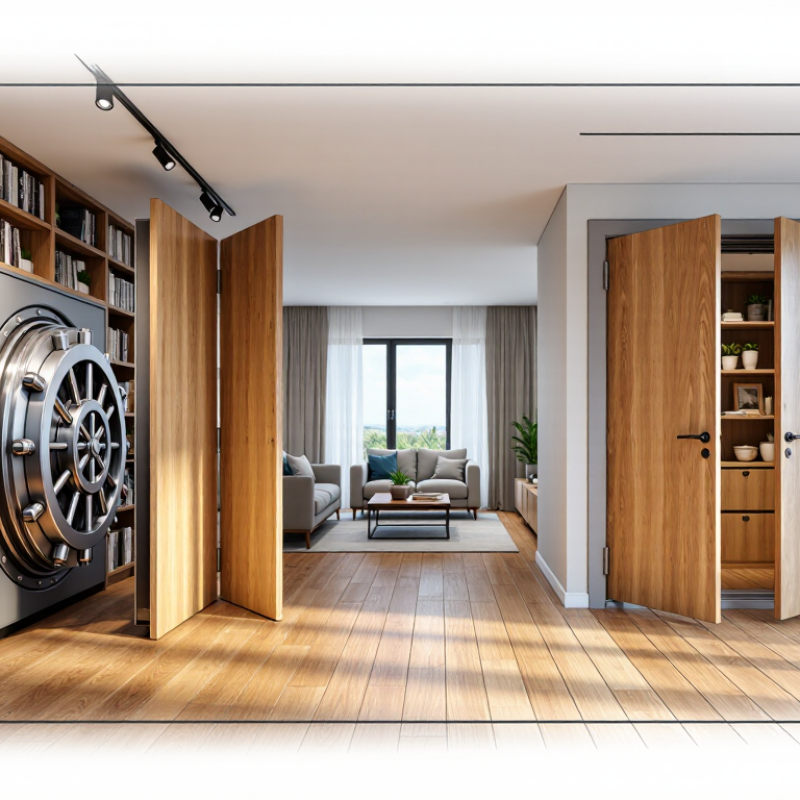
A vault door can feel secure without looking out of place in your home. The challenge is disguising it while preserving safe, convenient access. How can I hide a vault door inside my house without compromising the wall or the room’s layout? Consider the space, door weight, and manufacturer’s installation requirements before choosing a design. A bookcase, paneled wall, or matching cabinetry may help the entrance blend in. Each option needs clearance for hinges, handles, and maintenance. A beautiful finish cannot make up for poor installation.

Good planning starts before construction. Ask a qualified contractor or structural professional to assess whether the wall and floor can support the door. Follow the manufacturer’s specifications, including access and ventilation needs. Keep the route clear, and make sure trusted household members know how to operate the door. Looks simple. It isn’t always. A heavy door can affect framing, flooring, and nearby utilities. Custom cabinetry may also need adjustment after installation. These details are easy to miss.

The most convincing concealment usually suits the home’s existing style. Compare finishes in the room’s actual lighting; small differences can make a disguise noticeable. Budget for both the door and the surrounding work. There is no universal solution, and some designs look easier in photographs than they are to build. A thoughtful plan balances appearance, reliable access, professional installation, and everyday use.
How Can I Hide a Vault Door in My House?

Understanding the Purpose and Constraints of a Hidden Vault Door

A hidden vault door can conceal valuables, records, or a private room, but concealment alone is not security. The FBI’s Crime in the Nation 2023 report estimated 847,522 U.S. burglary offenses that year, down 7.6% from 2022. That figure offers context, not proof that a hidden door prevents entry. A weak jamb, exposed hinges, or hollow partition can defeat the visual trick. Details matter. A site assessment should check framing, floor capacity, door swing, ventilation, moisture, and everyday access. No room should trap occupants.

Fire risk changes the design. NFPA’s Home Structure Fires report estimated an average of 344,600 U.S. home structure fires each year from 2018 to 2022, causing an average of 2,720 civilian deaths. A concealed door is not automatically fire-rated, and a disguised exit may slow household members or rescuers. Keep escape routes clear, and have a qualified professional verify fire-resistance claims against tested assemblies and local building requirements. FEMA’s P-320 guidance addresses engineered storm safe rooms; a vault door alone does not create one. Matching trim may hide a seam, but seasonal wood movement can reveal it. Expect compromises.

Selecting a Suitable Location and Concealment Method

A suitable location should feel natural within the home’s layout, not merely offer an empty wall. A basement study, storage room, or walk-in closet may work if the surrounding structure can support the door. Have a qualified contractor assess the wall, framing, and floor before choosing a model. Heavy doors need proper support. Guessing is a poor plan.

Think about everyday access, too. The route should stay clear of plumbing, electrical panels, and heating equipment. Consider humidity, lighting, and whether the room remains comfortable to enter. A hidden entrance is not useful if it is blocked by boxes or difficult to open. Check local building and fire-safety requirements before construction.

Concealment works best when it matches the room. A flush panel painted like the wall, or shelving arranged across a recessed entry, can look ordinary without feeling forced. Keep the finish consistent with nearby trim and surfaces. Avoid placing an obvious decorative feature directly over the door; it may draw attention. One detail is easy to overlook: shelves need to move safely and smoothly. Even a carefully planned setup can feel awkward in daily use, so test the approach with normal furniture and lighting before final installation.

How Can I Hide a Vault Door in My House? - Selecting a Suitable Location and Concealment Method

Compare common residential locations and concealment approaches. Suitability depends on the home’s structure, intended use, accessibility, and applicable building and fire-safety requirements.

Potential Location Concealment Method Practical Advantages Planning Considerations Overall Suitability
Walk-in closet Place the door behind ordinary shelving or a built-in wardrobe panel. Often convenient to access and can blend with existing storage. Allow clear operating space; confirm that shelving does not obstruct the door or its hardware. High
Home office Use a flush wall panel or a fitted bookcase that matches the room’s finishes. Can integrate naturally with bookshelves, cabinets, and other office furniture. Keep the entrance usable and avoid placing heavy furniture where it could prevent access. High
Basement or utility area Blend the entrance with consistent wall finishes or a purpose-built storage enclosure. May offer more privacy and space for a dedicated secure room. Check for moisture, drainage, ventilation, utilities, and the condition of the surrounding structure. Moderate to high
Pantry or storage room Conceal the door behind a cabinet-style panel designed to match adjacent units. Storage furniture can make a concealed panel visually consistent with the room. Ensure everyday items do not block the entrance; consider the weight and clearance of cabinetry. Moderate
Hallway or secondary room Use a flush, finished panel that matches the surrounding wall and trim. Works where a discreet, uncluttered appearance is preferred. Matching paint, trim, and panel alignment takes careful planning; avoid obstructing circulation routes. Moderate
Garage-adjacent interior Integrate the entrance with built-in storage or a finished interior partition. Can suit homes with a dedicated storage or workshop area. Account for temperature changes, dust, fire separation, and any required garage-to-home protections. Moderate

Before installation: Have a qualified professional assess load-bearing walls, utilities, door clearances, ventilation, and local building and fire-safety rules. Concealment should never block an required exit or prevent safe, prompt access from inside.

Choosing a Vault Door That Fits the Space and Structure

A concealed vault door must fit the room’s structure, not just its trim. Measure the rough opening, wall depth, nearby studs, and the full swing path before choosing a model. A door that opens into a narrow hallway can block movement, even when the closed door looks perfectly placed. Check whether the wall is wood-framed, masonry, or concrete; each needs a suitable frame connection. A heavy steel frame attached only to drywall is not a sound installation.

Floor capacity matters too. The 2021 International Residential Code lists minimum floor live loads of 30 pounds per square foot for sleeping rooms and 40 pounds for other rooms. These figures describe distributed loads, not approval for a concentrated door or frame load. Ask a qualified structural professional to review the manufacturer’s door weight, support points, and anchoring plan. This may feel like extra work. It is cheaper than discovering a sagging frame after finishing the wall. Leave space for hinges, hardware, and service access, then test the opening with a full-size template before construction. A small measurement error can spoil the concealment.

Blending the Door into the Room’s Design

A concealed vault door works best when it feels like part of the room, not a feature added afterward. Study the wall before choosing a finish: note its panel spacing, paint sheen, trim depth, and direction of natural light. For a paneled wall, continuing the same pattern across the door can soften its outline. Match the wood grain carefully, but avoid making every detail unnaturally perfect. A quiet seam often looks more believable than a flawless imitation. Subtle is better.

Lighting and hardware matter, too. Recessed hinges and a flush surface can reduce visual clues, while nearby shelves or framed art may help the door sit comfortably in the composition. Keep decorations clear of the swing path, and make sure the handle remains usable without calling attention to itself. Test the finish in daylight and under evening lamps; glossy paint can reveal edges you barely noticed before. Check it from the hallway, too.

Appearance should never compromise operation. A qualified door professional can confirm that the frame, weight, clearances, and locking mechanism work together safely. I would also leave a practical way to identify and open the door from inside; hiding it should not make everyday use confusing. Some rooms may need a visible clue for household members. That small compromise is worth considering.

Preserving Safe Access, Emergency Egress, and Routine Maintenance

A hidden vault door can disappear behind a bookcase or flush wall panel, but concealment should never slow a safe exit. Plan for someone unfamiliar with the room: the release should be reachable, obvious by touch, and operable from inside without a key or special tool. Keep the route clear of furniture and preserve required exits, especially from sleeping areas. NFPA’s Home Structure Fires report estimates an average of 346,800 U.S. home structure fires annually from 2015 to 2019. A hidden door should not become a bottleneck during smoke or a power outage. That detail is easy to miss.

Test the door with the lights off, then repeat with another household member who has not practiced. I would not trust one smooth test; a rug, swelling wood, or shifted shelving can change the clearance. NFPA’s Smoke Alarms in U.S. Home Fires report found that the death rate per 1,000 reported home fires was 55 percent lower when smoke alarms were present and operated than when none were present. Keep alarms and lighting along the approach, and check them on a regular schedule. Inspect hinges, seals, latches, and floor clearance; note any rubbing or sticking. Small details matter. A simple maintenance log can record each test, repair, and change to the surrounding cabinetry.

FAQS

How should I choose a location for a concealed vault door?

Choose a room that fits your daily routine, such as a study or walk-in closet. Have a qualified contractor check the wall, framing, and floor before installation. Heavy doors need proper support.

What should I check around the proposed doorway?

Keep clear of plumbing, electrical panels, and heating equipment. Check humidity, lighting, and the door’s swing path. Guessing is a poor plan.

How can the door blend into the room?

Match nearby paint, trim, or wall panels. A quiet seam often looks more natural than a flawless imitation. Subtle is better.

Can shelves or artwork conceal the entrance?

They can, if shelves move smoothly and decorations stay clear of the swing path. Test the setup with normal furniture and lighting. Test it twice.

How do I make sure the door remains easy to use?

Check the handle, frame, weight, and clearances with a qualified door professional. A perfect-looking seam can still be a poor choice if the door sticks.

What emergency access features should a hidden door have?

The release should be reachable by touch and operable from inside without a key or special tool. Keep the route clear, especially near sleeping areas. That detail matters.

How can I check access in low light?

Try opening the door with the lights off, then ask someone unfamiliar with it to try. I would not trust one smooth test; shifted shelving or a rug can change the clearance.

What routine maintenance should I do?

Inspect hinges, seals, latches, and floor clearance for rubbing or sticking. Check nearby alarms and lighting regularly. Keep a simple log of tests and repairs.

Conclusion

Hiding a vault door begins with understanding what it needs to protect, how often it will be used, and what limits the home’s layout and structure may impose. Choose a location that offers privacy without interfering with essential household spaces, then consider a concealment approach—such as incorporating the entrance into a wall of cabinetry or another existing design feature. The right solution depends on the room, available space, and the structure around the opening.

When deciding how can I hide a vault door inside my house, make sure the door fits the opening and can be properly supported. Coordinate its finish, proportions, and surrounding details with the room so the entrance feels intentional rather than conspicuous. Concealment should never come at the expense of safe access: keep the door usable, preserve clear emergency routes, and arrange regular inspections and maintenance so it continues to operate reliably.

Aria

Aria

Aria is a dedicated marketing professional with a deep passion for innovative strategies and a keen understanding of our company's product offerings. With a wealth of experience in the industry, Aria excels at crafting engaging content that highlights the unique features and benefits of our......