How Do Hurricane Rated Doors Protect From High Velocity Debris?

Time:2026-06-30 Author:Henry
0%

Hurricanes pose significant risks, with high-velocity debris being one of the most dangerous aspects. Understanding "How do hurricane-rated doors protect against high-velocity debris" is crucial for homeowners in vulnerable areas. Dr. Emily Carter, an expert in structural engineering, emphasized, “The right door can mean the difference between safety and destruction during a storm.”

Hurricane-rated doors are designed to withstand powerful winds and flying objects. They undergo rigorous testing, meeting strict building codes. These doors often include impact-resistant glazing and reinforced frames, which help absorb and deflect debris. High-quality materials make them effective shields against nature's fury.

Despite advanced engineering, no product is infallible. Situations may arise where even the best doors fail. It’s essential for homeowners to regularly inspect their installations. Investing in hurricane-rated doors is wise, but ongoing maintenance cannot be ignored. In hurricane-prone regions, every precaution matters.
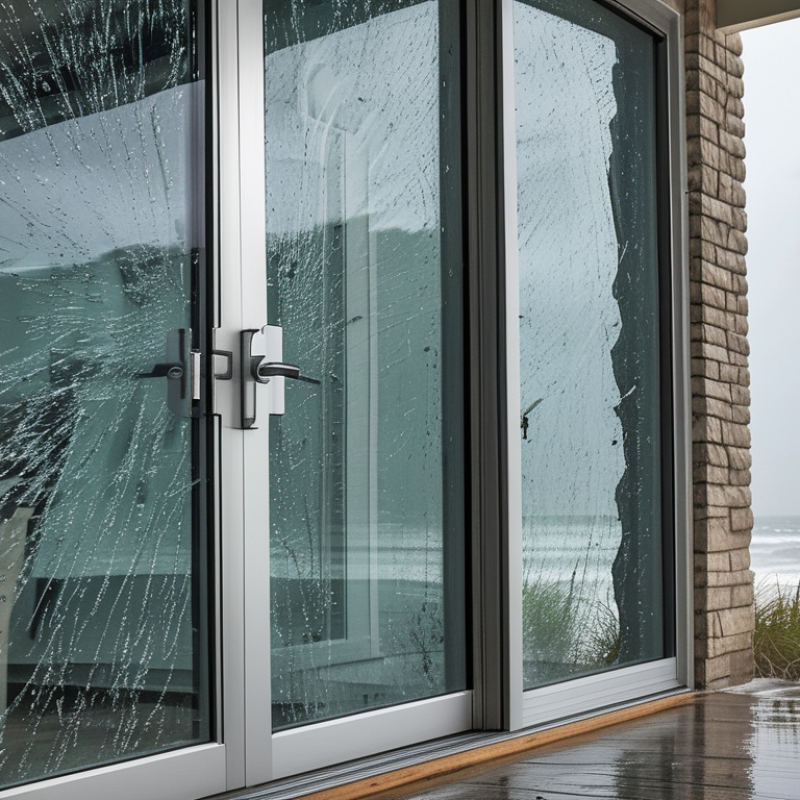
How Do Hurricane Rated Doors Protect From High Velocity Debris?

The Importance of Hurricane Rated Doors in Severe Weather Protection

Hurricane rated doors are crucial for protecting homes in severe weather. These doors are engineered to withstand high winds and flying debris. According to the National Oceanic and Atmospheric Administration (NOAA), flying debris causes up to 50% of damage during storms. With wind speeds exceeding 100 miles per hour, traditional doors can easily fail. Hurricane rated doors are tested for such conditions, ensuring they remain intact during the worst storms.

The importance of these doors extends beyond mere sturdiness. They also contribute to energy efficiency. A well-sealed hurricane door can lower energy costs. You can save up to 20% on your energy bills with proper installation. This becomes vital, especially during heat waves or cold fronts that follow storms.

Tip: When selecting hurricane rated doors, check for certifications from recognized standards. Look for the Miami-Dade County certification, known for its rigorous testing processes.

Protecting your home means being proactive. Consider reinforcing door frames for added strength. Ensuring all entry points are secure can be the difference between safety and damage.

How High Velocity Debris Affects Residential Safety During Hurricanes

Hurricanes bring immense winds that hurl debris at high velocities. This debris can be anything from tree branches to roof tiles. When these projectiles strike homes, they pose serious risks. A high-speed impact can shatter windows and compromise structural integrity. Understanding how to enhance safety is crucial for homeowners in vulnerable areas.

Hurricane-rated doors are designed to withstand these forces. They use reinforced materials and advanced testing methods to ensure durability. These doors can resist impacts from debris traveling at speeds of up to 150 miles per hour. This protection significantly reduces the risk of window breakage and allows for better overall safety during storms. However, many homeowners may overlook these features in favor of aesthetic choices.

It’s essential to remember that aesthetics should not outweigh safety. Making informed decisions about home defenses can save lives. Ensuring that door installations meet or exceed local building codes can give residents peace of mind. Regular checks and maintenance can also help ensure these features provide reliable protection when it's truly needed.

Key Features of Hurricane Rated Doors for Debris Resistance

Hurricane rated doors are designed to resist high-velocity debris, a critical feature in storm-prone areas. These doors undergo rigorous testing to meet standards set by organizations like the American Society for Testing and Materials (ASTM). Reports indicate that properly installed doors can withstand winds exceeding 150 mph. They protect homes from both wind and water intrusion.

Key features of hurricane rated doors include reinforced materials and impact-resistant glass. Many doors utilize laminated glass, which can absorb energy from debris impacts. Studies show that doors made with fiberglass or steel perform better in extreme conditions than traditional wood models. The use of multi-point locking systems further enhances security against breaches caused by debris.

Despite these advancements, not all installations are flawless. Factors such as improper sealing or inadequate framing can undermine effectiveness. Homeowners must regularly inspect their doors for wear and tear. It’s essential to understand that while these doors significantly reduce risks, no solution is entirely infallible. Continuous education on maintenance and proper installation techniques is vital to ensure optimal performance during hurricane events.

Material and Construction Standards for Hurricane Rated Doors

Hurricane rated doors are engineered to withstand extreme conditions. Their material and construction standards are crucial for safety. Typically, these doors utilize reinforced steel or impact-resistant materials. This design helps them endure high-velocity debris during storms.

Manufacturers adhere to specific guidelines. These include rigorous testing for impact resistance and wind pressure. The doors must pass tests that simulate hurricane conditions. Not all doors meet these standards, which raises concerns. Homeowners should verify certifications before installation.

However, not every door is perfect. Some may show wear over time, even if they meet initial standards. Regular inspections are essential. Homeowners must consider the environment around their homes. Trees and other structures can influence debris impact. It's vital to be proactive in assessing risks.

Installation Considerations for Maximum Protection Against Debris

When installing hurricane-rated doors, attention to detail is crucial. These doors are designed to withstand high-velocity debris during severe storms. According to a report by the Federal Alliance for Safe Homes (FLASH), the right door can significantly reduce damage risks. Choosing materials like reinforced fiberglass or steel enhances durability.

Proper installation is vital for maximum protection. Gaps around the door frame should be minimized to prevent wind and debris infiltration. The installation process must follow manufacturer guidelines closely, as even a small deviation can compromise effectiveness. Using high-quality hardware and ensuring a tight seal are key components to a successful installation.

Tips: Always check local building codes for compliance. Engage with certified professionals for installation to ensure safety and durability. Regular maintenance checks can identify wear and tear, keeping your door functional. Not all installations are perfect; examining past installations can help avoid common mistakes. Analyzing these details leads to better outcomes and a safer home environment.

FAQS

: What types of materials are used in hurricane-rated doors?

: Hurricane-rated doors often use reinforced steel or impact-resistant materials. This design helps them resist high-velocity debris.

How do hurricanes affect residential safety?

Hurricanes create strong winds that propel debris at high speeds. This debris can damage homes and pose serious injury risks.

Why is proper installation of hurricane-rated doors important?

Proper installation ensures doors function correctly. Gaps can let wind and debris through, compromising safety during storms.

What maintenance should homeowners perform on hurricane-rated doors?

Regular checks are essential. Inspect for wear and tear to ensure doors remain functional when needed.

Can aesthetic choices compromise safety?

Yes, homeowners may prioritize looks over functional features. Safety should always be the primary concern during installations.

What should homeowners consider before installing hurricane-rated doors?

Verify door certifications and ensure compliance with local building codes. Environment evaluations can help assess potential risks.

How often should hurricane-rated doors be inspected?

Inspections should be regular. Even compliant doors can deteriorate over time, affecting their protective capabilities.

What guidelines do manufacturers follow for hurricane-rated doors?

Manufacturers adhere to strict impact resistance and wind pressure testing standards to ensure durability during storms.

Can past installation mistakes provide useful insights?

Yes, analyzing previous installations reveals common pitfalls. This understanding can help achieve better and safer outcomes.

How do trees and surroundings affect debris impact?

Objects near homes can influence the debris trajectory. Homeowners must be aware of these factors to assess risks effectively.

Conclusion

Hurricane-rated doors play a crucial role in enhancing safety during severe weather events, particularly by offering protection against high-velocity debris. These doors are specifically designed to withstand the intense forces generated by strong winds and flying objects during hurricanes. How do hurricane-rated doors protect against high-velocity debris? They feature robust materials and advanced construction standards that ensure durability and resistance to impact, significantly reducing the risk of breach and damage.

Furthermore, proper installation is essential to maximize their protective capabilities. Factors such as frame reinforcement and secure anchoring are vital to ensure that these doors can effectively shield residential properties from potential threats. Ultimately, hurricane-rated doors not only offer peace of mind during storms but also contribute to the overall safety of households in hurricane-prone areas.

Henry

Henry

Henry is a dedicated marketing professional with a profound expertise in the company's offerings. With years of experience in the industry, he possesses an impressive understanding of the market dynamics and consumer behaviors that drive success. Henry is committed to sharing his insights through......