How to Install a Smart Lock on Your Armored Door Efficiently?

Time:2026-05-11 Author:Isabella
0%

The rising demand for home security solutions has led many homeowners to consider upgrading to smart locks. According to a report by MarketsandMarkets, the smart lock market is expected to reach $3.2 billion by 2024, indicating a strong trend towards enhanced security systems. This shift is particularly evident among homeowners with armored doors, which offer superior protection against break-ins.

Understanding "how to install a smart lock on an existing armored door" is crucial for maximizing security. These doors are designed to withstand forceful entries, yet the right smart lock can provide added convenience and control. A recent study showed that 75% of homeowners believe smart locks improve their home security. However, installing one on an armored door can be challenging, as these doors differ from standard ones in structure and material.

Many users report difficulties when integrating new technology with existing installations. Precision is key, and any mistakes can compromise security. Homeowners should be careful and consider seeking expert advice if unsure. Overall, the journey towards modern home security requires thoughtful planning and execution to ensure safety and functionality.
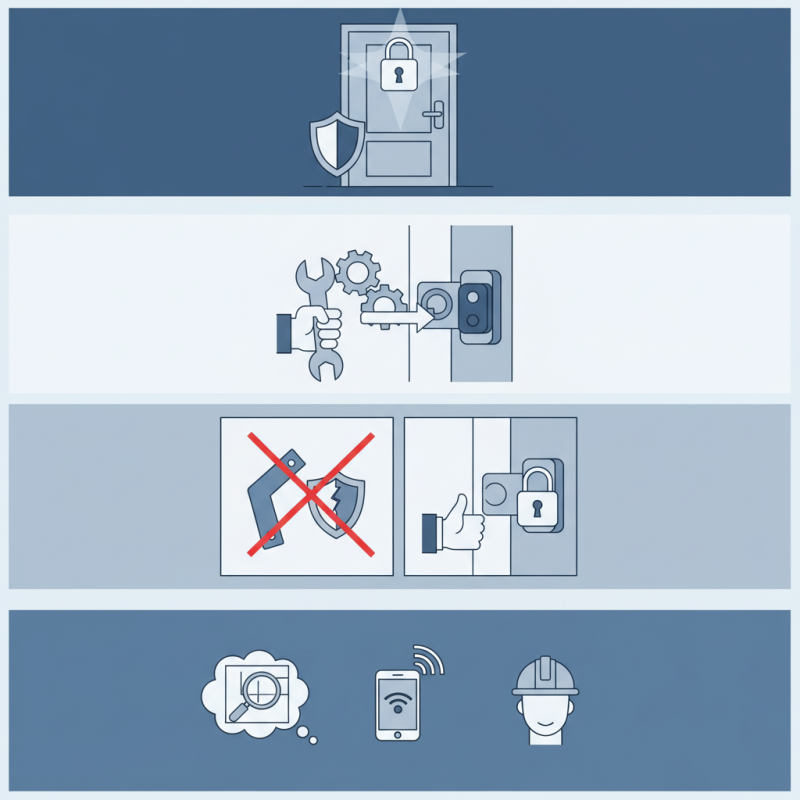
How to Install a Smart Lock on Your Armored Door Efficiently?

Choosing the Right Smart Lock for Armored Doors

When considering a smart lock for an armored door, it’s essential to prioritize security features. Look for locks that offer encryption technology. This ensures that your access codes are not easily intercepted. Many smart locks also include a backup key option, which can be crucial during power outages or technical failures.

Next, assess the compatibility with your specific door type. Armored doors often have unique dimensions and locking mechanisms. Measure the thickness and height of your door accurately. This step avoids purchasing a lock that doesn’t fit properly. Some smart locks may require extra hardware or adapters, increasing installation complexity.

Review user feedback on the chosen locks as well. This often reveals reliability and performance insights that official specifications may gloss over. Installation can be tricky, particularly with armored doors. Sometimes, following guides may not lead to ideal results. Involving a professional locksmith can save you from costly mistakes, especially if you encounter unexpected challenges.

Smart Lock Features Comparison

Preparing Your Armored Door for Installation

When preparing your armored door for smart lock installation, precision is key. Start by assessing the current hardware. Ensure the door is compatible with smart locks. Check the thickness and the materials used. Some locks may not fit if the door is too thick or made from specific composites. Take measurements before purchasing any equipment.

Tips: Use a measuring tape to double-check the existing keyhole and latch placement. This will help avoid mismatches. Gather all necessary tools, including a drill and screwdriver. A well-organized workspace is essential for efficiency.

Removing the old hardware can be tricky, especially with heavy-duty doors. Look for hidden screw placements before trying to detach the handle or lock. Once removed, inspect the door for any damage. Small imperfections may affect the new installation.

Tips: Consider sealing any gaps around the door frame. This will enhance security and insulation. Have a cleaning cloth handy to wipe off any dust or debris when fitting the new lock. Taking these steps ensures a smoother installation experience and enhances the longevity of your smart lock.

Step-by-Step Installation Process of the Smart Lock

Installing a smart lock on an armored door requires careful planning and precise execution. Begin by gathering necessary tools, such as a screwdriver and drill. Identify the location for the lock. An ideal spot is at eye level, within easy reach. Ensure the area is clear and clean. This preparation is key for a smooth installation.

Next, remove the existing lock. This can be tricky with armored doors. Take your time to avoid damaging the surrounding structure. Once removed, follow the manufacturer's instructions for the smart lock. Keep the installation manual handy, as it often contains crucial details. Align the smart lock with the door's hole, ensuring a snug fit. Test the mechanism before finalizing the installation. If misaligned, adjustments may be necessary.

After securing the smart lock, configure it according to your preferences. Connect it to your home network or smartphone app. This step adds a layer of convenience. Pay attention to battery installation; faulty batteries can compromise security. Regularly check for software updates as well. Reflect on your installation experience. Consider what worked well and what could be improved next time.

Testing the Smart Lock Functionality

Testing smart lock functionality on an armored door can seem daunting. You want to ensure that your installation is secure. Start by downloading the accompanying app for your smart lock. This app will guide you through the initial setup process. Follow the prompts carefully to avoid mistakes.

After installation, it's crucial to test all features. Lock and unlock the door remotely using your smartphone. Check if the lock responds promptly. Make sure you’re within range, as connection issues can occur. Test the lock using its keypad, if available. Try different combinations to see how it performs under various conditions.

Don’t overlook the battery life indicator. Ensure your lock's batteries are fully charged. A weak battery can lead to malfunction, which is frustrating. Consider doing a functionality test monthly. This allows you to catch potential issues early. Remember, even smart technologies can have flaws, and regular checks help maintain reliability.

Maintaining Your Smart Lock for Long-Term Performance

Maintaining a smart lock is essential for ensuring its long-term performance. Regular maintenance will save you from unexpected malfunctions and enhance security. One fundamental aspect is to check the battery life. Many smart locks rely on batteries, which can deplete faster than expected. Schedule a battery replacement every six months, even if your lock appears to be functioning well.


Pay attention to the lock's mechanical components. Dirt and debris can accumulate over time, affecting performance. Use a soft cloth to wipe the exterior and avoid using harsh chemicals. A small brush can help clean tight spaces. Don’t ignore any unusual sounds when locking or unlocking. These could indicate that the mechanism needs professional attention.


Tips: Keep firmware updated. Software updates often include security enhancements. Regularly review your lock's logs too. This practice can help you identify any unusual access attempts or malfunctions quickly. It’s crucial to test your smart lock monthly. This will ensure it operates as intended. Adjustments may be needed if it shows signs of sluggishness. Routine checks will lead to lasting reliability.

FAQS

: How do I prepare my armored door for a smart lock installation?

: Assess the current hardware and check if the door is compatible with smart locks.

What should I confirm about my door before purchasing a lock?

Measure the thickness and materials of the door. Some locks may not fit properly on certain doors.

What's a key step to avoid mismatches during installation?

Double-check the existing keyhole and latch placement with a measuring tape.

How can I ensure an efficient installation process?

Gather all necessary tools and maintain a well-organized workspace before starting.

What should I do after removing old hardware from the door?

Inspect for any damage or imperfections. They might impact the new installation.

Why is sealing gaps around the door frame important?

Sealing gaps enhances security and improves insulation for the door.

How often should I check my smart lock’s battery?

Schedule a battery replacement every six months, even if it seems functional.

What maintenance is needed for the lock's exterior?

Wipe it with a soft cloth and use a small brush for tight spaces to avoid buildup.

Why is it essential to update the firmware of my smart lock?

Updates often include important security enhancements to keep your lock protected.

How can I monitor unusual activities with my smart lock?

Regularly review the lock's logs to identify any suspicious access attempts or malfunctions.

Conclusion

Installing a smart lock on an existing armored door can significantly enhance your home’s security. To start, it’s crucial to choose the right smart lock designed specifically for armored doors, ensuring compatibility and reliable performance. Before installation, prepare your door by checking its condition and ensuring all necessary tools are on hand.

The installation process involves a step-by-step approach, including removing the existing lock, fitting the smart lock, and securing it properly. Once installed, it's essential to test the smart lock functionality to confirm it operates smoothly. Finally, maintaining your smart lock through regular checks and updates will ensure its long-term performance, keeping your home safe and convenient. Overall, understanding how to install a smart lock on an existing armored door effectively combines security and modern technology.

Isabella

Isabella

Isabella is a dedicated marketing professional with a sharp focus on driving brand growth and engagement through strategic content creation. With an extensive background in digital marketing, she combines her passion for storytelling with her keen understanding of industry trends to deliver......