In today's world, the safety of structures is paramount. "What makes a door truly blast-proof?" is a critical question for buyers seeking optimal security. According to the Global Blast Resistance Market Report, the market is expected to grow at a CAGR of 6.8% by 2025. This surge reflects the increasing need for secure solutions in various industries, from military to commercial sectors.
To achieve true blast resistance, a door must meet specific design and material criteria. Features such as reinforced steel frames, specially treated glass, and advanced locking mechanisms play vital roles in ensuring safety. The National Institute of Standards and Technology (NIST) emphasizes the importance of testing doors under controlled conditions to verify performance levels.
However, achieving blast-proof standards is not straightforward. Many manufacturers face challenges in balancing strength and weight. This complexity leads to potential compromises, which can affect the door's overall efficacy. Buyers must scrutinize specifications and ensure they are investing in products thoroughly tested for their intended applications. Understanding what makes a door truly blast-proof can guide informed purchasing decisions in an increasingly risky environment.
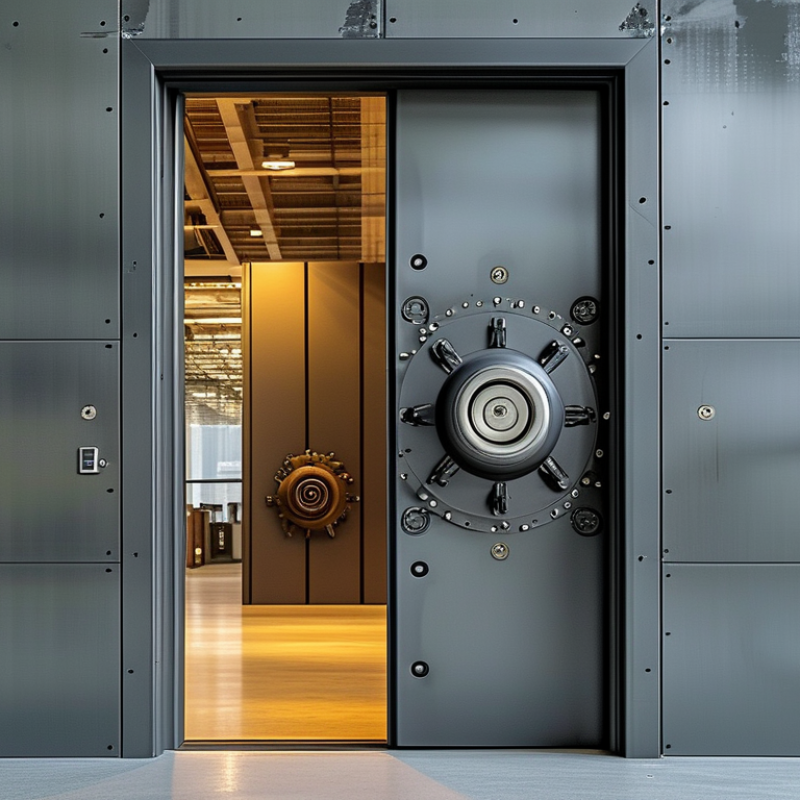
Understanding the Definition of Blast Proof Doors in the Industry
Blast proof doors are critical for safety in various industries, including military, oil, and gas. They are designed to withstand explosive forces and provide protection against potential threats. Defining blast proof doors involves understanding their construction, materials used, and certifications. Reports indicate that a properly certified blast door can reduce the impact of explosions by over 90%.
The materials used in construction play a significant role in performance. Typically, steel and composite materials are favored for their strength and durability. A recent industry report revealed that composite doors can offer better energy absorption compared to traditional steel doors. These advancements in design and materials improve the safety profile of facilities that utilize these doors. Yet, not all products labeled as blast proof meet rigorous testing standards. This discrepancy raises concerns among buyers seeking reliable solutions.
Moreover, the standards for blast proof doors fluctuate across regions. This inconsistency can lead to confusion and misinformation. Some doors may meet local regulations but lack international endorsement. Buyers should thoroughly evaluate certifications and demand clear documentation from manufacturers. A careful review ensures that they invest in products that truly enhance safety. Balancing cost with reliability remains a challenge. In a market saturated with options, informed decisions are more crucial than ever.
Understanding Blast Proof Doors by Key Features
Key Materials and Design Features of Effective Blast Proof Doors
When considering blast proof doors, key materials play a significant role. Steel and reinforced composites are essential for their ability to withstand extreme pressure. Steel, particularly when treated, offers strength and durability. Composites, on the other hand, can be engineered for specific blast resistance without added weight. This combination creates a door strong enough to protect against explosions while remaining functional.
Design features are equally critical. A well-engineered door should include features such as multi-point locking systems and self-closing mechanisms. These elements enhance security and ensure the door remains sealed during a blast. Proper alignment is vital too; misalignment can compromise effectiveness. Even the hinges matter—they must be robust to support heavy materials.
However, it’s important to recognize that no door is entirely foolproof. Regular maintenance and inspections are necessary to ensure continued reliability. Without these, even the best materials can degrade over time. This complexity shows that while blast proof doors can provide essential protection, they also require commitment and careful consideration in their application.
Assessment Standards: How to Evaluate Blast Resistance Ratings
When assessing blast resistance ratings for doors, it is crucial to understand industry standards. The testing process often measures a door's ability to withstand pressure and ensure safety during explosive events. According to the American Society for Testing and Materials (ASTM), a door's blast resistance should be verified through rigorous assessments. This could include evaluations such as the ASTM F2656 for vehicle barriers or ASTM E2536 for blast-resistant windows and doors. Both tests focus on the integrity of materials under explosive loads.
Consider the materials used in blast doors. Steel is popular, yet its thickness and treatment greatly impact performance. A study from the National Institute of Standards and Technology found that a thicker door can better absorb shock and prevent breaches. However, a balance between weight and maneuverability remains essential. Heavy doors might impede quick access in emergencies.
Once you choose a door, ask about its certification. Third-party verification provides an additional layer of assurance. This helps ensure compliance with safety standards and industry best practices. Evaluating doors requires diligence and expertise, especially when security is non-negotiable.
Consider your specific needs. Will the door face external threats, or is it more of a precaution? Tailoring your choice can lead to better safety outcomes. It may feel overwhelming, yet thorough research can lead to informed decisions.
Industry Applications: Sectors That Require Blast Proof Solutions
In various industries, the need for blast-proof doors has become increasingly critical. Sectors such as oil and gas, military, and chemical manufacturing require these solutions to protect personnel and assets. According to a report by the Global Market Insights, the global market for blast-resistant doors is expected to surpass significant milestones by 2025, reflecting the growing demand for safety measures.
Oil and gas facilities are particularly vulnerable to explosions. With multiple hazards present, blast-proof doors can minimize damage during emergencies. Similarly, military installations prioritize blast protection to ensure the safety of personnel and sensitive equipment. The challenge lies in balancing usability with security measures. Some designs may hinder accessibility, leading to potential safety issues during evacuations. For example, doors that are too heavy or complex can slow down response times in crisis situations.
The chemical sector must also prioritize blast protection. A report by the American Institute of Chemical Engineers emphasizes the importance of robust containment measures. Blast doors play a crucial role here, offering protection against chemical releases and explosions. However, industry professionals must continuously evaluate door performance and evolving threats. Regular assessments can identify areas for improvement and ensure compliance with safety standards. Investing in the right solutions is critical for maintaining operational integrity and employee safety.
What makes a door truly blast proof for global buyers? - Industry Applications: Sectors That Require Blast Proof Solutions
| Sector |
Key Requirements |
Typical Applications |
Blast Resistance Level |
| Military |
High durability, armor plating |
Bunkers, armories |
Level A |
| Oil & Gas |
Explosion resistance, fireproofing |
Drilling rigs, refineries |
Level B |
| Aerospace |
Lightweight materials, structural integrity |
Aircraft, launch facilities |
Level C |
| Chemical Processing |
Corrosion resistance, safety features |
Storage facilities, processing plants |
Level B |
| Mining |
Impact resistance, heavy-duty construction |
Mines, processing facilities |
Level A |
Global Market Trends and Demand for Advanced Blast Proof Technologies
The demand for advanced blast-proof technologies is rising globally. Enterprises seek solutions to enhance safety and security. This shift stems from increasing threats across various sectors. Companies are investing heavily in blast-proof doors to protect critical infrastructure. These doors must meet rigorous standards to ensure effectiveness in high-risk environments.
Global market trends show significant interest in robust materials. Steel composites and reinforced technologies dominate discussions. Buyers desire solutions that offer both durability and functionality. Innovations in design focus on minimizing weight while maximizing strength. However, not all products meet the necessary criteria. Companies sometimes overstate capabilities, which can lead to performance gaps.
Buyers should analyze certifications and performance testing. Transparent data on blast resistance is essential for informed decisions. Additionally, collaboration with experienced manufacturers ensures access to the latest developments. Market education around these technologies is crucial. Misconceptions about blast-proofing often cloud judgment. Understanding what constitutes true blast resistance can prevent costly mistakes.
FAQS
: Blast proof doors are designed to withstand explosive forces and protect against potential threats in various industries.
Steel and composite materials are commonly used due to their strength and durability, ensuring effective blast resistance.
A properly certified blast door can reduce the impact of explosions by over 90%, enhancing safety significantly.
Some products may not meet rigorous testing standards. Verifying certifications ensures reliable safety solutions for buyers.
Multi-point locking systems and self-closing mechanisms improve security and keep the door sealed during a blast.
No, no door is entirely foolproof. Regular maintenance and inspections are essential for continued reliability.
Balancing usability and security can be challenging, especially when heavy doors hinder quick access during emergencies.
Without regular assessments, even the best doors can degrade, making continuous evaluation necessary for maintaining safety.
Industries such as oil and gas, military, and chemical manufacturing require blast proof doors for personnel and asset protection.
Buyers should carefully evaluate materials, certifications, and design features to ensure they invest in reliable safety solutions.
Conclusion
In the context of security and safety, understanding "What makes a door truly blast-proof" entails a comprehensive approach that includes defining blast-proof doors, evaluating their materials and design features, and assessing their effectiveness based on established standards. Effective blast-proof doors utilize high-strength materials like steel and composite substances, which are designed to absorb and dissipate explosive forces, minimizing damage and ensuring the safety of occupants.
Furthermore, the industry has set specific assessment standards to gauge blast resistance ratings, allowing buyers to make informed decisions. Various sectors, such as military, oil and gas, and critical infrastructure, increasingly demand these advanced solutions due to rising global security concerns. As market trends evolve, there is a marked shift towards innovative blast-proof technologies, emphasizing the need for robust and reliable safety mechanisms in an unpredictable world.
 Armor Door
