 Armor Door
Armor Door
Armor Door
When considering the question, "Can I paint my security steel door without ruining the finish," it's essential to understand both the risks and the precautions involved. Security steel doors are designed for durability and protection, often finished with coatings that resist corrosion and wear. According to the Door and Window Manufacturer’s Association, over 70% of homeowners prefer custom finishes for aesthetic appeal. However, improper painting techniques can compromise the door's protective layer.
Experts recommend surface preparation before painting. This process can include cleaning, sanding, and priming. A reliable survey from the Home Improvement Research Institute reveals that 40% of DIYers encounter issues due to insufficient preparation. Not all products are suitable for steel doors; manufacturers often emphasize using specific paints to avoid damaging the finish.
While it is possible to change appearances, the risks should not be overlooked. Painting can void warranties or result in unforeseen maintenance concerns. A careful approach is necessary to avoid ending up with a marred surface instead of a refreshed look. Balancing aesthetic desires and the door's functional integrity remains vital. Before making a decision, one must weigh the benefits against potential drawbacks.
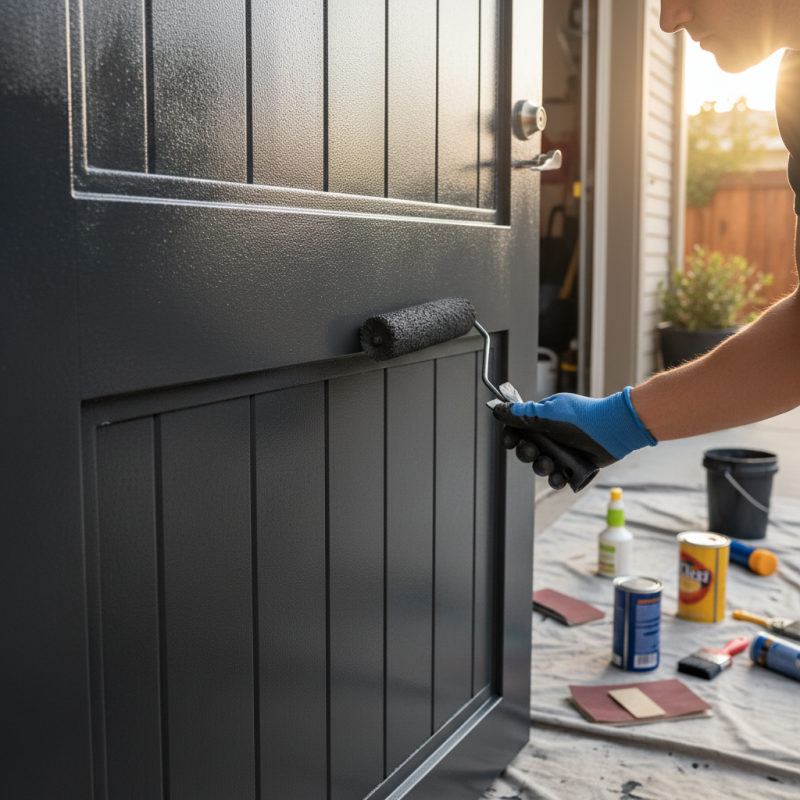
When considering painting your security steel door, it's crucial to understand its finish. Most security steel doors are coated with a factory finish designed to endure harsh weather conditions. According to industry reports, a high-quality finish can last anywhere from 10 to 20 years. However, improper painting techniques may compromise its integrity.
Many steel doors utilize a powder coating process. This creates a durable layer that is tough against scratches and fading. However, painting over this finish may lead to unsightly peeling or bubbling. A study by the National Association of Home Builders highlighted that about 30% of homeowners experienced issues after painting their steel doors. Therefore, it's vital to select the right type of paint. Using exterior-grade paint specifically formulated for metal surfaces is essential for long-lasting results.
It's possible to refresh your door's appearance, but caution is necessary. Preparation can be time-consuming, involving thorough cleaning and possible sanding. Evaluate whether the effort is worth the potential risk of damaging the existing finish. Remember, missteps can lead to an unattractive outcome. Patience in this process may yield a better result.
| Aspect | Details |
|---|---|
| Finish Type | Powder Coated |
| Best Paint Types | Acrylic Latex, Polyurethane Spray Paint |
| Preparation Steps | Clean the surface, remove rust, lightly sand, and wipe with a damp cloth. |
| Curing Time | 24 hours for touch dry, 7 days for full cure. |
| Common Mistakes | Skipping surface preparation, using the wrong type of paint. |
| Maintenance | Regular cleaning and inspection for rust or scratches. |
: A factory finish protects the door from harsh weather conditions and enhances durability.
It can last between 10 to 20 years if maintained properly.
Improper techniques can cause peeling, bubbling, or damage to the existing finish.
Use exterior-grade paint formulated specifically for metal surfaces to ensure durability.
Clean the door thoroughly, sand gently, and ensure it is dry before applying paint.
Sanding creates a rough texture for better paint adherence, but be careful not to damage the finish.
Yes, thorough preparation can lead to a better result, even though it may seem tedious.
Apply thin layers with even strokes to prevent drips and bubbling. Avoid heavy coats.
Wipe the door to remove dust particles before priming or painting.
Yes, it can refresh the door, but there is a risk of damaging the finish if not done carefully.
In the article titled "Can I Paint My Security Steel Door Without Damaging the Finish?", the discussion revolves around the intricacies of painting steel doors while preserving their original finish. Understanding the specific finish on security steel doors is crucial, as it affects paint adherence and durability. The article emphasizes the importance of selecting a compatible paint type that matches both the door’s material and its protective coating to avoid any adverse effects.
Preparation is key; proper cleaning and surface treatment are necessary steps before applying paint. The article also provides techniques for painting that minimize the risk of damaging the existing finish, ensuring a smooth application process. Finally, it offers useful tips for maintaining the painted surface to extend the life of the aesthetics without compromising the door’s protective functions. Ultimately, one may wonder, "Can I paint my security steel door without ruining the finish?” – and with the right approach, the answer leans towards yes.
