What Are the Signs My Warehouse Roller Door Needs Repair?

Time:2026-09-12 Author:Sophia
0%

A warehouse roller door works hard through every shift, protecting stock, equipment, and employees. Over time, daily lifting, vehicle traffic, dust, and changing temperatures can affect its performance. The warning signs are often subtle at first. A slight grinding sound may seem harmless. It may not be.

What are the signs that my warehouse roller door needs repair? Start with its movement, sound, and appearance. A door that opens unevenly, shakes, stops halfway, or moves more slowly needs attention. Listen for scraping, clicking, or loud motor noise. Look for bent slats, loose guides, damaged seals, or gaps along the bottom edge. Frayed cables and leaking hydraulic fluid require prompt professional assessment. A delayed response from the control panel or safety sensor is also significant. Small faults can become costly disruptions when ignored.

Experienced warehouse managers usually record unusual noises, failed cycles, and visible damage. This simple habit helps a qualified roller door technician identify patterns. A professional should inspect springs, tracks, bearings, motors, brakes, and safety devices against the manufacturer’s guidance. Do not rely only on appearance. Some internal wear remains hidden until the door fails under pressure. That is easy to underestimate. This guide explains the clearest repair indicators, what they may mean, and when inspection should take priority. It also recognises an uncomfortable truth: busy teams sometimes postpone minor repairs. That decision deserves a second look.
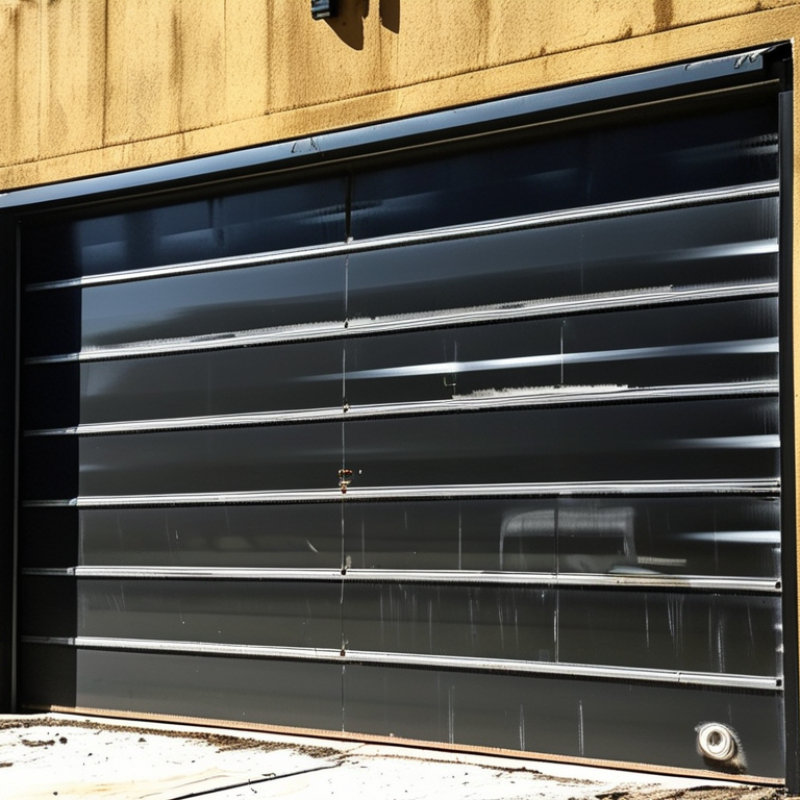
What Are the Signs My Warehouse Roller Door Needs Repair?

Inspect Cycle Counts Against Manufacturer Ratings of 10,000–100,000 Operations

What Are the Signs My Warehouse Roller Door Needs Repair?

A roller door’s cycle count is one of the clearest maintenance signals. Industry product data commonly rates commercial doors between 10,000 and 100,000 operations. One opening and closing equals one cycle. Record the counter reading, installation date, and weekly usage. A door completing 250 cycles each workday may reach 10,000 cycles in less than two years. That timeline surprises many warehouse teams.

Do not guess. Compare the recorded count with the manufacturer’s rated service life. A 100,000-cycle door is not automatically safe at 99,000 cycles. Watch for slower travel, uneven lifting, rattling guides, stretched cables, and visible curtain damage. The Door and Access Systems Manufacturers’ Association technical guidance treats inspection and maintenance as essential controls, not optional paperwork. It also distinguishes normal wear from damage requiring qualified service.

I have seen managers rely on annual inspections while ignoring daily noise changes. That gap matters. The U.S. Bureau of Labor Statistics reported 2.6 million nonfatal workplace injury and illness cases in private industry during 2023. A damaged door can add struck-by, pinch-point, or unexpected-drop hazards. Keep a simple log near the control panel. Note cycle totals, unusual sounds, failed reversals, and emergency repairs. If the door approaches its rated cycles, or its movement changes suddenly, remove it from routine use until a competent technician evaluates it. The cycle number is useful, but it is not the whole story.

Check Sluggish Movement Against Manufacturer Speed and Balance Specifications

A sluggish warehouse roller door should be checked against its manufacturer’s speed and balance specifications, not judged by appearance alone. Measure several opening and closing cycles with a stopwatch, noting temperature, load, and unusual noise. A small delay may indicate worn springs, guide friction, poor lubrication, or an overloaded drive system. There is no universal “safe speed” for every door, so the technical manual remains the correct benchmark.

Balance matters just as much. With the door isolated according to the service procedure, trained technicians can check whether it stays stable at the specified test position. Dropping, rising unexpectedly, or needing repeated motor assistance suggests a balance problem. Industry guidance from the Door and Access Systems Manufacturers’ Association stresses regular inspection of operating components, safety devices, and counterbalance systems. These checks should be recorded, not remembered.

The wider risk deserves attention. The U.S. Bureau of Labor Statistics reported about 2.6 million nonfatal workplace injuries and illnesses in private industry during 2023. That figure does not identify roller-door failures, but it shows why small mechanical changes should not be dismissed. A practical mistake is timing one cycle and stopping there. I have seen doors behave differently after repeated use. Compare at least three cycles, photograph the control display, and call a qualified technician when movement exceeds the documented tolerance. Do not adjust springs casually. Small errors can become violent ones.

Test Photo Eyes, Auto-Reverse, and Emergency Stops to ANSI/DASMA Guidance

What Are the Signs My Warehouse Roller Door Needs Repair?

Test Photo Eyes, Auto-Reverse, and Emergency Stops to ANSI/DASMA Guidance

A warehouse roller door may need repair when it closes unevenly, pauses, or makes a harsh scraping sound. Safety devices deserve closer attention. Check the photo eyes with the door open and the area clear. Break the beam during a closing cycle using a safe method described in the equipment manual. The door should stop and reverse promptly. It must not continue downward.

Dust, forklift impact, vibration, or poor alignment can affect photo eyes. Look for cracked lenses, loose brackets, damaged cables, or warning lights that behave strangely. Clean the lenses carefully, but do not treat cleaning as a repair. A sensor can appear clean and still fail intermittently. That has happened in busy loading areas.

Test the auto-reverse function with an approved test object, never a person or a limb. The door should reverse without excessive force or delay. Test the emergency stop under controlled conditions. The door should stop, remain stopped, and require an intentional reset. Record the date, result, and any unusual noise. ANSI and DASMA guidance should be read alongside the door’s manual and applicable site requirements. Do not bypass a safety device to keep production moving. If a test fails, isolate the opening and contact a qualified door technician. My own inspection notes sometimes miss faults during warm weather. Repeat checks after dust, cold temperatures, or impact.

What Are the Signs My Warehouse Roller Door Needs Repair? – Test Photo Eyes, Auto-Reverse, and Emergency Stops to ANSI/DASMA Guidance

Inspection Area Safe or Normal Result Warning Signs Recommended Action Suggested Check
Photo eyes The door closes only when the photo-eye beam is clear and reverses or stops when the beam is interrupted. The door closes with an object in the beam, fails to close, operates intermittently, or shows misaligned, dirty, or damaged sensors. Stop using the door for normal traffic. Clean the lenses and check alignment only if this can be done safely; arrange qualified service if the fault remains. Test during routine safety inspections and after sensor adjustment, impact, or electrical work.
Auto-reverse or entrapment protection When the closing door contacts an approved test object or detects resistance, it stops and reverses as designed for the specific door system. The door continues downward, reverses slowly, requires repeated attempts, or causes excessive impact. Remove the door from service and have the operator, controls, limit settings, and safety devices inspected by a trained technician. Do not defeat the protection system. Follow the door and operator manufacturer’s test method; test at the required points and operating conditions.
Emergency stop controls Where an emergency-stop device is provided or required by the installation, pressing it stops hazardous powered movement and requires a deliberate reset before operation resumes. The button is missing, broken, obstructed, unlabeled, difficult to reach, or fails to stop movement immediately. Keep personnel clear, isolate the door from operation, and request inspection of the control circuit and stopping function by a qualified professional. Verify operation according to the site’s written safety procedure and applicable electrical and machinery-safety requirements.
Door travel and limit operation The curtain travels smoothly, stops at the intended open and closed positions, and does not drift or strike the floor, guides, or header. Unexpected stopping, over-travel, incomplete opening, slamming, rubbing, or uneven movement. Stop operation and arrange adjustment or repair. Do not alter limit settings without the correct service instructions. Observe a full open-and-close cycle during scheduled inspections.
Roller curtain, guides, and bottom bar The curtain is secure, guide tracks are clear, and the bottom bar is straight, properly attached, and free from sharp or loose components. Bent slats, broken fasteners, frayed edges, loose guides, corrosion, impact damage, or visible gaps that affect travel. Restrict access beneath or beside the door and obtain a professional structural and operational inspection. Check visually before use and after forklift, vehicle, or pallet impact.
Unusual noise, vibration, or speed Movement is consistent with the normal operating sound and speed specified for the door. Grinding, popping, rattling, excessive vibration, jerky travel, or a sudden change in operating speed. Stop using the door until the drive, bearings, guides, fasteners, and balance or counterbalance components are assessed. Record changes in sound or speed and report them promptly; do not lubricate or adjust components unless authorized.
Manual release and power failure operation The designated manual release or emergency operating method works without exposing personnel to uncontrolled movement. The release is inaccessible, jammed, damaged, unlabeled, or causes the door to drop, drift, or move unexpectedly. Do not attempt improvised release procedures. Isolate the area and contact qualified service personnel. Review the documented emergency procedure and inspect the release during planned maintenance.
Warning labels and operating controls Controls are clearly identified, visible, protected from accidental activation, and used only by trained personnel. Missing labels, damaged push buttons, exposed wiring, unauthorized bypasses, or controls located where the operator cannot see the door. Restrict use and correct the control or labeling deficiency before returning the door to normal service. Include controls, signage, and visible wiring in every documented inspection.

Safety note: Use the specific inspection and testing procedures supplied for the installed door and operator. ANSI/DASMA guidance emphasizes functional safety devices, proper maintenance, trained personnel, and keeping damaged or unsafe doors out of service until repaired. Never bypass photo eyes, auto-reverse protection, emergency stops, or other entrapment safeguards.

Identify Panel, Spring, Track, and Roller Damage Beyond Allowable Tolerances

When a warehouse roller door becomes noisy, uneven, or slow, inspect it before production is affected. Panel damage often appears as deep dents, cracked joints, separated hinges, or daylight through closed sections. Small marks may be harmless, but bowed panels can exceed the manufacturer’s allowable alignment tolerance. Measure gaps with a straightedge, rather than relying only on sight. I have found that a door can still operate while its panels are already twisting under load.

Springs need careful attention. A stretched spring, visible corrosion, broken coil, or uneven lifting force signals a serious defect. The door may rise on one side, drop suddenly, or refuse to stay open. Never adjust spring tension without proper training and isolation procedures. Stored energy can cause severe injury. The warning may be quiet.

Track damage is usually easier to spot. Look for bent rails, loose brackets, flattened edges, or fasteners that have shifted from their original position. Rollers should turn smoothly and remain seated inside the tracks. Worn bearings, flat spots, cracked wheels, and excessive side movement can push the door beyond its operating tolerance. Record measurements, unusual sounds, and operating conditions for a qualified technician. My own inspections are not perfect; dust, temperature, and repeated loading can hide early wear, so a second check is often worthwhile.

Record Defects Using OSHA 1910.212 Guarding and Planned-Maintenance Criteria

What Are the Signs My Warehouse Roller Door Needs Repair?

A roller door needs attention when it jerks, drifts, scrapes, or stops unevenly. Watch the curtain, guides, springs, cables, rollers, and bottom edge during every opening cycle. Frayed cables, loose fasteners, crushed guides, and damaged slats can expose workers to moving parts. A door that reverses late also suggests a defective photo-eye or control system. Small faults become serious quickly.

Record each defect against OSHA 1910.212 guarding criteria. The standard requires protection from point-of-operation hazards, nip points, and other moving parts. A missing guide cover or exposed chain deserves a clear photograph and location note. Include the date, door number, symptoms, risk level, and temporary control. Keep people away until a competent person assesses the hazard. Hands-on work should follow an energy-control procedure under OSHA 1910.147.

Use planned maintenance, not memory. Set inspection intervals from traffic volume, impact history, operating conditions, and the door maker’s instructions. OSHA does not provide one universal roller-door service interval. That detail matters. The U.S. Bureau of Labor Statistics reported 2.6 million nonfatal workplace injuries in its 2023 survey, showing why routine controls still matter. OSHA’s FY2024 Top 10 data also placed machine guarding among frequently cited standards. Review defect trends monthly. A squeak may seem harmless, but repeated noise, vibration, or slow travel can reveal bearing wear. I would also record near misses, even when no damage occurred. That record may expose weaknesses in the maintenance plan.

Warehouse Roller Door Repair Indicators

Record a repair defect when inspection identifies an exposed moving part, an unguarded crush or pinch point, unstable guides or anchoring, damaged components, or unsafe servicing conditions. OSHA 29 CFR 1910.212 requires protection from machine hazards and point-of-operation hazards; maintenance work may also require hazardous-energy control under 29 CFR 1910.147. Use the chart as a checklist and replace the values with documented site-inspection results.

FAQS

What cycle count suggests that a warehouse roller door needs attention?

Commercial doors often carry ratings from 10,000 to 100,000 operations. One opening and closing equals one cycle. Compare the recorded count with the rated service life.

How quickly can a door reach 10,000 cycles?

A door completing 250 cycles each workday may reach 10,000 cycles in under two years. That timeline can surprise warehouse teams. Track usage weekly.

Which physical signs may indicate needed repair?

Watch for slower travel, uneven lifting, rattling guides, stretched cables, or damaged curtain sections. Scraping sounds matter too. Do not ignore sudden changes.

What information should a maintenance log include?

Record the cycle count, installation date, and weekly usage. Note unusual sounds, failed reversals, and emergency repairs. Keep the log near the control panel.

How should photo eyes be checked?

Keep the door open and the area clear. Use the safe testing method in the equipment manual. The door should stop and reverse promptly when the beam breaks.

What can cause photo-eye problems?

Dust, forklift impacts, vibration, and poor alignment can interfere with sensors. Check for cracked lenses, loose brackets, damaged cables, or strange warning lights. Cleaning alone is not a repair.

How can the auto-reverse feature be tested safely?

Use an approved test object, never a person or limb. The door should reverse without excessive force or delay. If it fails, isolate the opening.

What should happen during an emergency-stop test?

The door should stop and remain stopped. It should require an intentional reset. Record the test date and result.

What should staff do after a failed safety test?

Remove the door from routine use. Do not bypass a safety device to maintain production. Contact a qualified door technician for evaluation.

Is one successful inspection enough?

No. A clean sensor can still fail intermittently. I would not trust one warm-weather check. Repeat checks after dust, cold temperatures, or an impact.

Conclusion

What are the signs that my warehouse roller door needs repair? Warning signs include operation counts approaching or exceeding the manufacturer’s expected service range, typically between 10,000 and 100,000 cycles. Sluggish opening, uneven travel, unusual noise, hesitation, or poor balance may indicate worn components or incorrect tension. Regular checks should compare the door’s movement and speed with its intended performance specifications.

Safety equipment also requires careful testing. Photo eyes, automatic reversal, and emergency-stop functions should respond consistently and without delay. Inspect panels, springs, tracks, and rollers for bending, cracks, excessive wear, looseness, or damage beyond acceptable tolerances. Any defect that affects alignment, containment, or safe movement should be recorded and addressed promptly. Maintaining clear inspection records supports planned maintenance and helps document guarding concerns, including areas relevant to OSHA 1910.212 criteria. A qualified technician should evaluate serious defects before the door returns to normal service.

Sophia

Sophia

Sophia is a dedicated marketing professional with an exceptional depth of knowledge about her company's products and services. With a keen understanding of market trends and customer needs, she crafts insightful blog posts that not only inform but also engage readers, enriching the company’s online......