 Armor Door
Armor Door
Armor Door
In today's security landscape, knowing how to install a smart lock on an existing armored door has become essential. Smart locks offer enhanced convenience, allowing you to manage entry points digitally. However, installing one on an armored door poses unique challenges. Many homeowners grapple with the intricate materials and robust structures of such doors.
Armored doors are designed for security and durability. Thus, proper installation is crucial to maintain their integrity. Familiarize yourself with the tools required for this task. Choose a smart lock compatible with armored doors. This step will simplify the installation process and ensure proper functionality.
Consider the nuances of your specific door type, as variations can complicate installation. Taking your time to plan is vital. Accurate measurements and a thoughtful approach reduce the risk of mistakes. Reflect on potential issues, such as needing adjustments after installation. A well-executed installation enhances both security and convenience, making your home safer and more efficient.
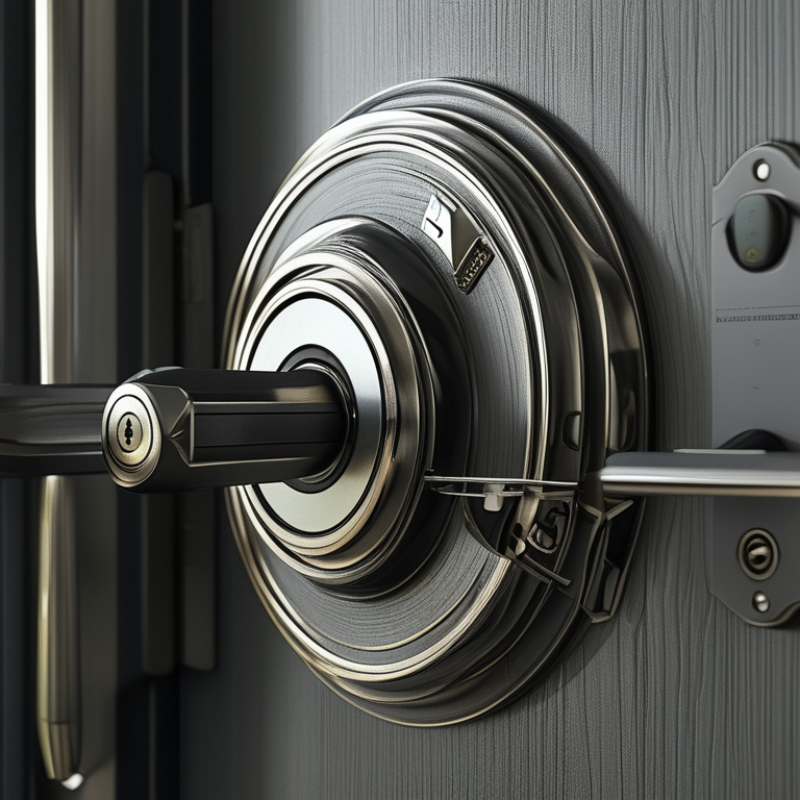
When installing a smart lock on an armored door, you must understand specific requirements. Armored doors are designed for maximum security, so installation can be unique. These doors often have reinforced structures, making standard locks unsuitable. The key is to find a smart lock compatible with such robust materials.
Before installation, examine your door's thickness and the type of material used. This ensures proper alignment and function. Some smart locks require specific mounting hardware. Check your door frame too; it needs to support any extra weight.
Tips: Consider professional installation if you're unsure about the process. Missteps can lead to security vulnerabilities. Always recheck your measurements; a small error can cause big problems later. Remember to look for smart locks with backup keys. Technology can fail, and having a backup ensures continued access.
: Choose a smart lock with advanced encryption and two-factor authentication for added security.
The locking mechanism is crucial. Look for heavy-duty locks with hardened steel bolts for better strength.
Essential tools include a power drill, screwdrivers, mounting screws, and a tape measure.
Accurate measurements can reduce installation errors. A poor fit can compromise the lock’s effectiveness.
Leveling is vital for a proper lock fit. Many overlook this, which can lead to issues later.
Always wear safety goggles and double-check your materials to avoid accidents during installation.
Test the physical mechanism and its responsiveness to your smart device for any connectivity issues.
Ensure Bluetooth is on and within range. Restart devices if the lock is not found.
Use the app for remote locking and unlocking to check its responsiveness; observe any delays.
Always have a backup plan, like physical keys, for when smart locks experience issues. Regular testing can help.
Installing a smart lock on an existing armored door requires careful consideration and preparation. First, it's essential to understand the unique requirements of armored doors, which may differ from standard ones. Once these requirements are identified, choosing the right smart lock model that fits securely and functions effectively with your door is crucial.
Gathering the necessary tools and materials is the next step to ensure a smooth installation process. The article provides detailed, step-by-step instructions for fitting the smart lock, emphasizing the importance of precision. After installation, it's vital to test and configure the smart lock to ensure it operates correctly, providing peace of mind and enhanced security. This comprehensive guide effectively outlines how to install a smart lock on an existing armored door, making the process accessible for homeowners looking to upgrade their security systems.
