Armor Door
Armor Door
Armor Door

Understanding the transition from internal combustion engines to high-efficiency, zero-emission lithium-powered logistics ecosystems.
The global material handling industry is undergoing a massive paradigm shift. As industries align with global decarbonization frameworks, the reliance on traditional internal combustion (IC) forklifts is rapidly declining. In their place, Electric Forklifts have emerged as the primary driver of smart, clean, and efficient logistics. Today, China stands as the powerhouse manufacturer and exporter of these advanced machines, supplying robust material handling infrastructure to Europe, North America, and emerging markets.
This market evolution is fueled not just by environmental mandates, but by the tangible economics of Total Cost of Ownership (TCO). While the initial capital expenditure of a high-capacity electric forklift can exceed that of a diesel or LPG counterpart, the elimination of fuel costs, reduced maintenance points (due to fewer moving mechanical parts), and the integration of smart battery management systems (BMS) result in a payback period of less than 24 months in multi-shift warehousing operations.
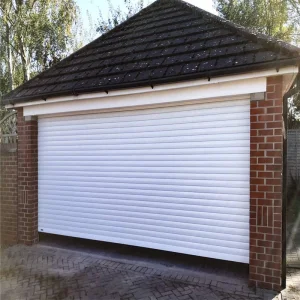
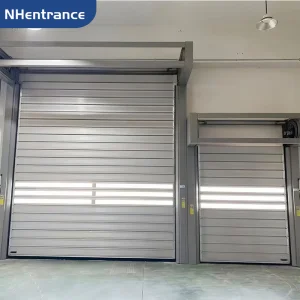
True operational efficiency in a modern warehouse requires a holistic facility layout. An electric forklift's zero-emissions capability makes it ideal for indoor environments. However, to maximize energy conservation and maintain thermal zones within these indoor spaces, warehouses must deploy synchronized infrastructure. This is why high-speed roll-up doors, thermal break sliding doors, and airtight loading bays are critical companion technologies for modern electric fleets.
Global Market Share of Electric Fleets by 2026
Direct Tailpipe Emissions in Closed Facilities
Reduction in Routine Maintenance Costs
Industrial Manufacturing Heritage & Trust
The technological forces driving the next generation of industrial heavy machinery and facility management.
Moving away from traditional lead-acid batteries, modern material handling equipment utilizes LFP cells. LFP technology offers opportunity charging, zero gas emissions during charging cycles, and a lifetime expectancy exceeding 3,000 complete cycles.
Modern fleets are connected units. Cloud-integrated telematics monitor battery health, operator safety metrics, structural load dynamics, and real-time navigation paths to eliminate bottlenecks and optimize operational workflows.
The boundary between traditional forklifts and autonomous robotics is blurring. Electric drive-by-wire steering systems facilitate the installation of LiDAR and camera arrays, converting standard lifts into fully automated, self-navigating units.
Pioneering Secure, High-Performance Industrial Access Infrastructure Since 1998.
Founded in 1998, Jiangmen Armor Door Co., Ltd. has established itself as an industry leader in the production of high-performance security doors, specialized metal partition systems, and industrial access doors. Over the past two decades, we have continuously integrated advanced automation and engineering innovations into our production methodologies. Our state-of-the-art facilities produce specialized barriers that directly support advanced logistics, marine logistics, and hospital environments where electric machinery operates.
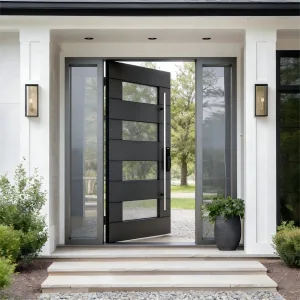
Just as heavy-duty electric material handling units demand robust, clean energy systems, modern industrial facilities demand high-durability access ports to seal and protect their work zones. From acoustic-insulated sliding doors to marine-grade stainless steel wire mesh doors and high-speed spiral roll-up doors, Jiangmen Armor Door Co., Ltd. provides the critical structural hardware needed to safeguard operations, isolate contamination, and protect personnel.
Accelerating toward ultra-fast charging, hydrogen integrations, and next-generation architectural facility containment.
The future of industrial logistics is built on two primary vectors: power density and architectural optimization. In the heavy machinery domain, manufacturers are actively exploring solid-state batteries and hydrogen fuel cells to extend operational runtime beyond 24 hours without prolonged battery swap-outs. Concurrently, advanced electric drive motors are achieving thermal efficiency ratings of over 95%, reducing cooling requirements and enhancing torque response.
In alignment with these machine upgrades, physical factory and warehouse facilities are becoming smarter. Access systems now utilize integrated IoT sensors to synchronize opening and closing cycles with approaching autonomous forklifts. This automated handshake ensures that cold-storage compartments or cleanroom seals are breached for only the exact duration required for a vehicle to pass, drastically lowering building climate control costs and energy expenditure.
Deploying specialized equipment and structural closures tailored to challenging industrial environments.
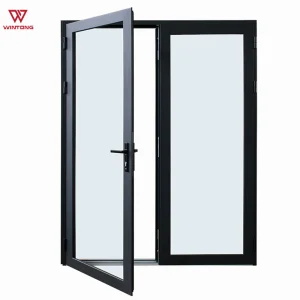
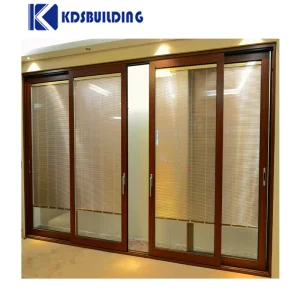
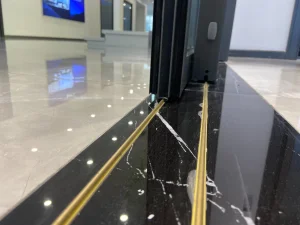
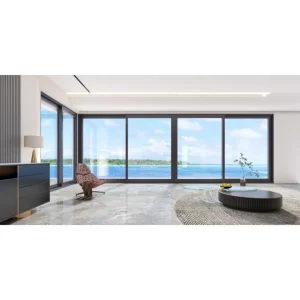
Cold storage facilities demand electric forklifts that can operate reliably in sub-zero environments without battery degradation. The condensation resulting from transitioning between temperature zones can damage standard electrical circuits. To complement specialized low-temp forklifts, factories install thermal break aluminum frame sliding doors to seal storage zones, preserving sub-zero climates and preventing moisture infiltration.
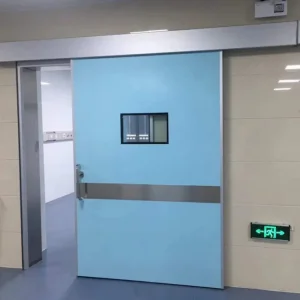
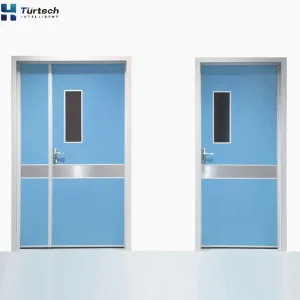
Pharmaceutical and high-tech cleanroom spaces require absolute particle control. Internal combustion units are strictly prohibited in these zones, making electric lifts essential. Access to these sterile zones is tightly regulated using specialized automatic hermetic doors or radiation protection lead doors in medical processing labs, maintaining cleanroom integrity and preventing atmospheric cross-contamination.
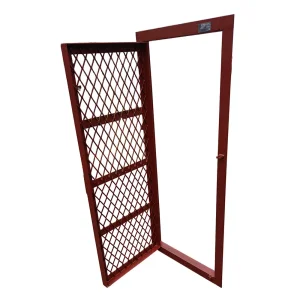
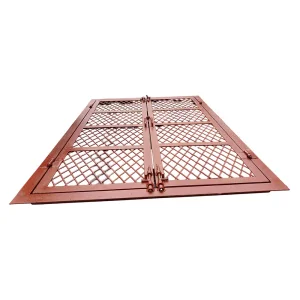
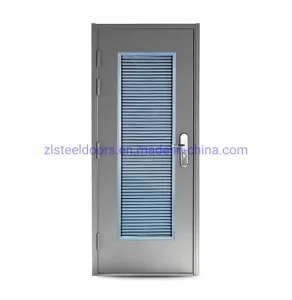
Salt air and heavy moisture degrade standard steel machinery. For marine cargo terminals, electric forklifts are treated with anti-corrosive undercoatings. The physical warehouses storing these goods utilize marine-grade stainless steel/C-Type wire mesh doors to withstand harsh coastal winds, heavy precipitation, and salty atmospheres without structurally degrading.
Every client partnership is supported by our dedicated operational standards, ensuring delivery accuracy, technical engineering precision, and sustainability.
Our global sales engineers consult extensively to understand your load limits, operational heights, temperature configurations, and custom layout dimensions, matching the correct equipment to your facility's operational profile.
Precision is vital in industrial manufacturing. Our technical personnel perform site assessments and verify exact structural dimensions, ensuring seamless installation of high-speed garage doors, security closures, and charging infrastructure.
We train all engineering and service personnel on the latest international quality standards. Continuous education keeps our design, production, and support teams updated on advanced material developments and safety features.
Using a streamlined, flat management structure, we respond quickly to RFQs, expedite manufacturing timelines, and reduce shipment lead times, allowing you to complete your warehouse upgrades on schedule.
We reinvest in product R&D to introduce lighter structural composites, stronger corrosion-resistant alloys, and high-performance safety barriers that keep your material handling setup ahead of industry standards.
Our production facilities employ lean manufacturing processes designed to reduce energy waste, recycle metal scraps, and lower carbon emissions, supporting your company's ESG goals.
Get authoritative answers on electric forklift maintenance, warehouse performance upgrades, and building access solutions.