Armor Door
Heavy-duty carts rarely operate alone. They move through controlled doors, fire-rated zones, security entrances, hygienic areas, and service corridors. The following engineered product families support safer, more resilient industrial and commercial environments. Every product image and link below is retained for full product discovery.
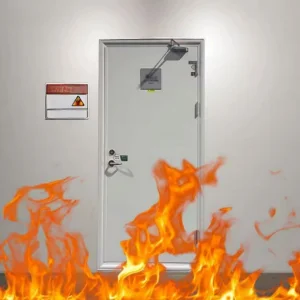 Premium Galvanized Steel Fire-Rated Door with Auto-Closer Corrosion-Resistant Security Entry for Commercial, Healthcare & Public Buildings Code Compliant
View Product
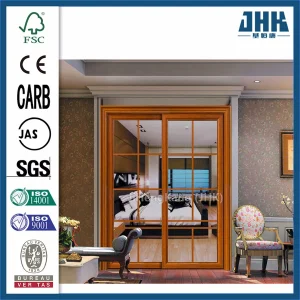
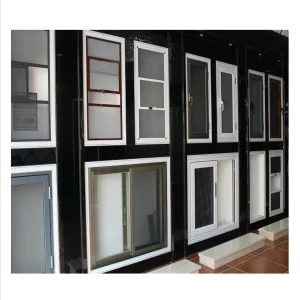 Three-Section Anti-Theft Diamond Mesh Screen Window Stainless Steel Rodent and Aluminum Alloy Sliding Screen Door for Home Use
View Product
When buyers search for a CE certified heavy-duty carts manufacturer & exporters, they usually do not need another generic catalogue. They are trying to reduce procurement risk. They want to understand payload safety margins, caster fatigue, frame rigidity, corrosion resistance, cleanability, braking behavior, documentation, spare-parts strategy, container optimization, and whether a supplier can support localized configurations across multiple markets. This is the semantic territory that a high-quality B2B product page must cover. It is also where information gain becomes a competitive advantage: providing the engineering context, compliance logic, and procurement checklist that competing pages omit.
In modern warehouses, factories, hospitals, food plants, laboratories, airports, retail backrooms, and construction sites, a heavy-duty cart is a moving workstation. It carries tools, components, waste, sterile supplies, food ingredients, batteries, or service parts. Its failure is not a minor inconvenience. A bent deck, a cracked weld, a seized caster, or an unclear load rating can cause injury, product contamination, downtime, and rework. That is why professional procurement teams evaluate carts as infrastructure: they consider route conditions, floor transitions, ramp grades, temperature ranges, hygiene protocols, load center, braking, and human ergonomics before comparing unit price.
The manufacturing discipline behind reliable carts is closely related to architectural metal fabrication. A company with a long heritage in security doors and metal partition systems, such as Jiangmen Armor Door Co., Ltd., already works with precise measurement, welded steel structures, surface finishing, hardware integration, and export packaging. Those capabilities translate naturally into custom cart frames, heavy-duty platforms, modular fixtures, corrosion-resistant enclosures, and OEM/ODM programs for industrial buyers. The key is not simply bending metal; it is controlling tolerance, documenting process, validating load assumptions, and translating the buyer’s application into a repeatable specification.
From an SEO and semantic search perspective, a page titled CE Certified Heavy-Duty Carts Manufacturer & Exporters should answer several distinct intent clusters: commercial investigation (“which factory can build custom steel carts?”), compliance research (“what CE documents are required for powered carts?”), application matching (“stainless steel carts for food processing”), supplier comparison (“OEM cart manufacturer in China with export packaging”), and after-sales planning (“caster replacement and spare parts”). The content below addresses these clusters with practical, experience-based guidance rather than superficial keyword repetition.
Global enterprises rarely purchase heavy-duty carts from a single perspective. Engineering, EHS, procurement, logistics, maintenance, and finance teams all ask different questions. A credible manufacturer must provide answers that survive cross-functional review.
For configurations that fall within CE scope, buyers need a clear conformity pathway, risk assessment logic, declaration documentation, markings, language requirements, and traceability to the exact configuration shipped. A generic certificate with an unclear model scope creates procurement risk instead of removing it.
Load capacity should be defined with the intended load center, deck support, caster rating, braking condition, and route severity. Experienced buyers ask how welded joints are controlled, how deck flatness is verified, and how wheels perform across thresholds, ramps, and uneven floors.
Container loading, stackability, corrosion protection, moisture control, barcode labeling, spare-caster packing, and installation instructions are part of the product. For distributors and project buyers, packaging quality directly affects damage rates and resale reputation.
Europe may require quiet casters and specific documentation language; North America may prefer imperial dimensions and rapid spare-parts access; the Middle East may prioritize UV and heat resistance; Southeast Asia may focus on humidity resistance and compact container loading.
Professional buyers consider the total cost of ownership. Replaceable wheels, standardized bearings, brake kits, handle assemblies, and corrosion-resistant fasteners reduce downtime. A supplier that can document part numbers and maintain consistency across repeat orders becomes a strategic partner.
Sustainability expectations increasingly influence industrial purchasing. Powder-coated steel, recyclable aluminum, durable replaceable components, reduced packaging waste, and optimized container density all contribute to a stronger environmental profile without compromising load performance.
The heavy-duty cart category is shifting from simple welded platforms to configurable industrial mobility systems. The strongest manufacturers combine metal fabrication knowledge with ergonomics, material science, and digital process control.
RFID tags, barcode plates, Bluetooth beacons, weight sensors, and WMS identification are turning carts into traceable assets. In large facilities, the cart becomes part of inventory visibility and route optimization rather than an anonymous platform.
Powered drive, lift assistance, controlled braking, and height-adjustable work surfaces reduce physical strain and support aging workforces. For powered configurations, safety functions, emergency stopping, and risk assessment become central design requirements.
Modular decks, removable shelves, dividers, fixtures, and nesting geometry help distributors serve multiple industries with fewer base platforms. This improves inventory efficiency and allows localized accessories without redesigning the entire cart.
Food processing, pharmaceuticals, and healthcare environments demand smooth surfaces, cleanable corners, stainless steel options, non-shedding wheels, and resistance to cleaning agents. Material selection must be matched to the sanitation protocol, not chosen by appearance.
Longer service life is one of the most effective sustainability strategies. Replaceable casters, repairable frames, recyclable metals, and efficient powder coating reduce waste while supporting corporate environmental reporting and circular procurement goals.
Clear rated-load labels, warning markings, braking instructions, and application limits are not decorative. They support safe operation, training, maintenance, and incident investigation. Professional buyers increasingly reject ambiguous capacity claims.
Global buyers increasingly balance cost, speed, risk, and transparency. China’s mature industrial clusters remain attractive not because of low labor alone, but because of supplier depth, rapid prototyping, component availability, process integration, and export experience. Factory 4.0 strengthens that advantage when digital process control is connected to real quality outcomes.
A reliable heavy-duty cart program connects several production stages: laser cutting or CNC punching, tube and sheet forming, fixture-based welding, dimension verification, surface preparation, powder coating or galvanizing, caster installation, load checks, labeling, and export packing. Each stage creates a potential failure point if specifications are informal.
Factory 4.0 contributes most when it makes these stages visible. ERP and MES records link material batches, work instructions, inspection results, and packing lists. Digital drawings reduce translation errors. Standardized fixtures improve repeatability. Quick-change tooling supports small customization batches without sacrificing delivery rhythm. This is especially valuable for OEM/ODM buyers who need a base platform with localized handles, caster types, shelves, branding, and packaging.
Supply chain resilience also depends on component strategy. Casters, bearings, locks, fasteners, and coatings should have qualified alternatives where appropriate. Modular frame families allow factories to hold common subassemblies while reserving final configuration for order confirmation. For exporters, this reduces lead-time volatility and improves container utilization.
The index above illustrates common procurement priorities for international heavy-duty cart programs; it is not a substitute for project-specific factory audit data.
Efficiency without hidden fragility. A mature supply base supports faster sampling, tighter packaging, and more predictable production. But efficiency is only valuable when the factory can document material specifications, welding controls, coating thickness, caster ratings, and final inspection.
Customization without chaos. OEM/ODM success depends on design-for-manufacture. The earlier the factory reviews load case, deck geometry, handle position, caster mounting, and packaging, the fewer costly changes occur after tooling or production begins.
Resilience through process, not promises. Dual sourcing of critical components, visual work instructions, batch traceability, and clear escalation paths help protect buyers from disruptions. For distributors, consistent color, labels, carton marks, and spare-parts packaging protect brand equity.
The same cart specification can succeed in one facility and fail in another. Localized application engineering examines climate, floor quality, cleaning agents, load patterns, safety rules, building codes, and operator behavior. This is where a manufacturer’s experience becomes visible in details, not slogans.
High-frequency picking and cross-docking require quiet, durable casters, ergonomic handles, and stable decks that move safely through dock transitions. E-commerce growth continues to increase demand for modular picking carts, order-picking shelves, and returnable handling equipment.
Tool carts, parts carts, and component fixtures must resist oil, metal chips, impacts, and high point loads. Drawer security, magnetic tool holders, wheel locking, and corrosion-resistant finishes are often more important than generic catalog appearance.
Hospitals and laboratories require smooth surfaces, quiet movement, cleanability, and configurations that reduce cross-contamination risk. Stainless steel carts, sealed casters, and easy-to-disinfect shelves are frequently specified for controlled environments.
Food-grade materials, hygienic design, corrosion resistance, and low-temperature caster performance matter in food processing and cold storage. Buyers should validate cleaning chemistry, moisture exposure, and temperature range before choosing bearing and wheel materials.
Electronics manufacturers may require ESD-safe wheels and grounding paths, smooth deck surfaces, and controlled rolling resistance. Sensitive components also demand safe part segregation and stable work surfaces during line-side assembly.
Hot climates can accelerate tire aging; humid climates challenge coating and fastener corrosion; cold chains change caster lubricity. European buyers may ask for specific language documentation and waste-reduction packaging, while North American distributors often prioritize replacement components and imperial dimensions.
For heavy-duty carts, confirm the exact regulatory scope before accepting any CE claim. Manually propelled carts, powered drive carts, lift-assisted carts, battery systems, food-contact surfaces, ESD features, and ATEX-adjacent environments may involve different directives and supporting evidence. A credible manufacturer aligns the certificate, declaration, risk assessment, markings, technical file, and shipped configuration. Buyers should verify that the documentation scope matches load rating, materials, controls, and intended use.
Document load weight, load center, route surface, ramp angle, temperature, humidity, cleaning chemicals, hygiene class, ESD needs, and operator training. A cart should be specified to the worst credible operating condition, not an average demo condition.
Ask whether the configuration is manual, powered, lifting, or battery-assisted. Request a conformity route, applicable standards, risk assessment, declared operating limits, marking locations, and language requirements for the destination market.
Review deck thickness, support geometry, weld quality, fastener selection, caster mounting plates, and brake positioning. For large platforms, torsional stiffness and load distribution often matter more than a single “load capacity” number.
Powder coating, galvanizing, stainless steel, and aluminum each solve different problems. Buyers should match finish to abrasion, corrosion, chemical exposure, and cleaning frequency. Hygienic design also includes drainage, seam treatment, and caster-to-deck sealing.
Request drawings, inspection plans, material certificates, caster specifications, coating records, and pre-shipment photos. A factory that can explain how it controls versions is usually more reliable than one that only sends a finished-product image.
Industrial fleets grow. Ensure handles, shelves, casters, brakes, labels, and packaging can be repeated in future orders. Standardized accessories improve lifecycle value and reduce sourcing complexity across plants and regions.
Long-term manufacturing experience is most valuable when it is applied to disciplined measurement, communication, and repeatable production. The following company information and service commitments are retained from the original content.
Jiangmen Armor Door Co., Ltd., founded in 1998, specializes in the production of high-quality security doors and metal partition doors. As a powerful and innovative private enterprise, we have consistently led the industry by integrating cutting-edge technology and modern equipment into our production processes. Over the years, we’ve gathered a team of outstanding talents in the domestic door industry, all driven by an entrepreneurial spirit of perseverance and dedication to customer satisfaction. Our mission is to serve each customer with integrity, providing top-notch products and services that reflect our commitment to excellence.
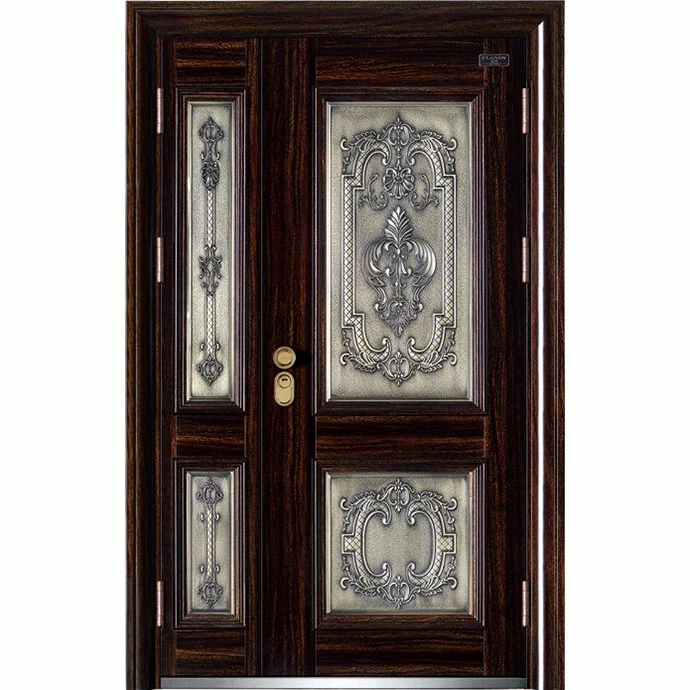
The same industrial fundamentals that support security doors and metal partitions support heavy-duty carts: accurate measurement, controlled welding, stable structures, surface protection, hardware integration, and export-ready packing. For buyers, this heritage reduces the learning curve when a project requires custom metal platforms, reinforced decks, specialized enclosures, or OEM/ODM production.
Our team’s experience also supports site measurement and application review. When a project involves unusual routes, restricted openings, heavy loads, or exact handling dimensions, disciplined communication matters as much as the fabrication equipment.
Every manufacturing partnership depends on communication, accuracy, professional execution, responsive delivery, innovation, and sustainability. These commitments shape how we support customers before, during, and after production.
Our professional sales staff take the time to fully understand your unique needs. We offer personalized selection suggestions based on your preferences, ensuring that every recommendation fits your lifestyle. Whether it’s a standard product or a custom solution, we are dedicated to crafting tailored offerings that match your vision.
We know that precision matters. Our team will visit your site, measuring all necessary dimensions and capturing every detail required for the installation. Our professionals will ensure that every aspect of your order is meticulously recorded and executed, ensuring the final product meets your exact specifications.
We firmly believe that only through professional training can we offer the highest level of service. Our sales and service personnel undergo continuous education to ensure they are equipped with the latest knowledge, skills, and best practices. At Jiangmen Armor Door Co., Ltd., professionalism is at the core of everything we do, ensuring that you receive both quality products and humane service.
Our youthful, dynamic team benefits from a streamlined, flat management structure that allows us to be both quick and flexible. With a focus on both human-centered and efficient service, we are able to provide a faster response and help you save time, so you can focus on what truly matters. Whether it’s product selection, delivery, or installation, we aim to make the entire process as seamless and efficient as possible.
As a forward-thinking company, we continuously invest in innovation. We embrace the latest technological advancements to improve our products and services. Our goal is to not only meet but exceed your expectations, ensuring that we remain at the forefront of the security door and partition door industry.
We are committed to environmental responsibility. Our manufacturing processes are designed to minimize waste and reduce energy consumption, all while maintaining the highest standards of quality. We aim to create products that not only serve your needs but also contribute to a sustainable future.
At Jiangmen Armor Door Co., Ltd., we believe that our customers deserve the best, and we strive to offer exceptional products and unparalleled service. Your satisfaction is our top priority, and we look forward to serving you with the same dedication that has guided our success for over two decades.

These answers address common commercial, technical, and export questions raised by procurement teams searching for a CE certified heavy-duty carts manufacturer & exporters.
It means the manufacturer has identified the applicable European regulatory scope, performed the required conformity assessment for that configuration, prepared technical documentation, and issued the appropriate declaration. Buyers should confirm that the certificate or declaration matches the exact cart type, power system, load rating, and intended use.
Yes. Common customizations include deck dimensions, load rating, shelf layout, handle height, caster type, braking configuration, corrosion-resistant finish, ESD features, branding, labels, and export packaging. The most efficient process starts with a clear application brief and a factory review of drawings before sampling.
Capacity should be tied to the load center, deck structure, caster rating, speed, floor condition, and safety factor. Buyers should ask for the design basis, inspection criteria, and any relevant load-test records. A simple number without operating assumptions may not reflect real-world safety.
A professional workflow typically includes requirements review, concept or drawing, quotation, material and caster selection, sampling, approval, production, in-process inspection, pre-shipment inspection, export packing, documentation, and shipment. Repeat orders should use controlled drawings and version records.
Use export-grade packaging, moisture protection, reinforced carton or crate design, clear carton marks, and a container loading plan. For distributors, include spare casters and replacement hardware in the shipment. Confirm Incoterms, document requirements, and after-sales responsibilities before production begins.
Warehousing, manufacturing, automotive workshops, food processing, healthcare, laboratories, electronics assembly, retail distribution, airports, construction sites, and logistics operations all use heavy-duty carts. Each environment changes the required materials, wheels, braking, hygiene level, and documentation.
Procurement ecosystems benefit from coordinated entrances, fire-rated assemblies, secure storage, hygienic fixtures, and facility accessories. The final eight product links and images below are retained for complete product navigation.
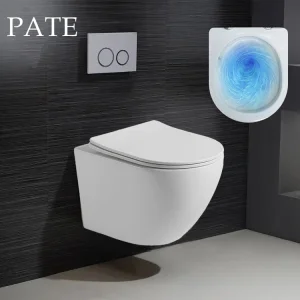 European 360 degree tornado hanging toilet tornado flush wc wall mounted washdown p trap ceramic round commodes wall hung toilet
View Product
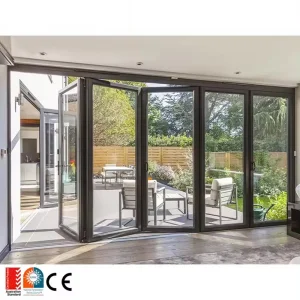 Factory Custom Aluminum Alloy Balcony Door Stainless Steel Mesh Sandwiched with Glass Patio Doors Double Doors at Home
View Product
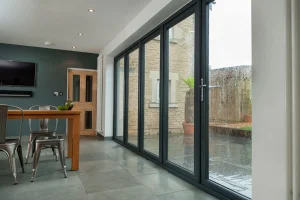
 Exterior Minimalist Slimline Frame Narrow Frame Design Thermal Break Aluminum Aluminium Sliding Door with Double Glazing for Villa Hotel Balcony Patio
View Product
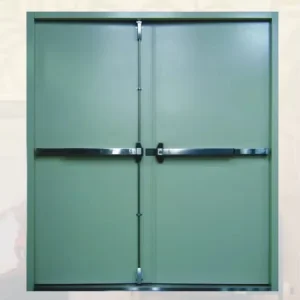 Commercial 1 Hour Fire-Rated Steel Door Heavy Duty Contemporary Design Outdoor Applications Fire-Rated Features
View Product
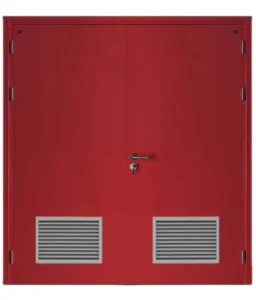
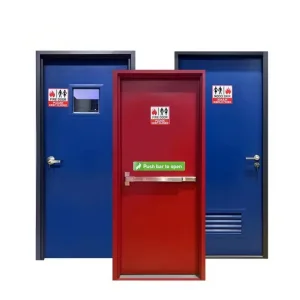 Foshan Emergency Exit Fireproof Metal Door Steel Fire Rated Escape Doors for Hotel, School, Hospital, Apartment
View Product
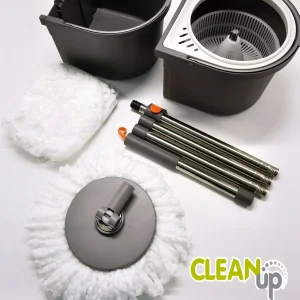 Flexible New Design 2 in 1 Detachable Bucket Space-Saving Magic Mop Tornado Mop Smart Spin Mop and Bucket with Wringer Set
View Product